
Last updated November 23, 2026
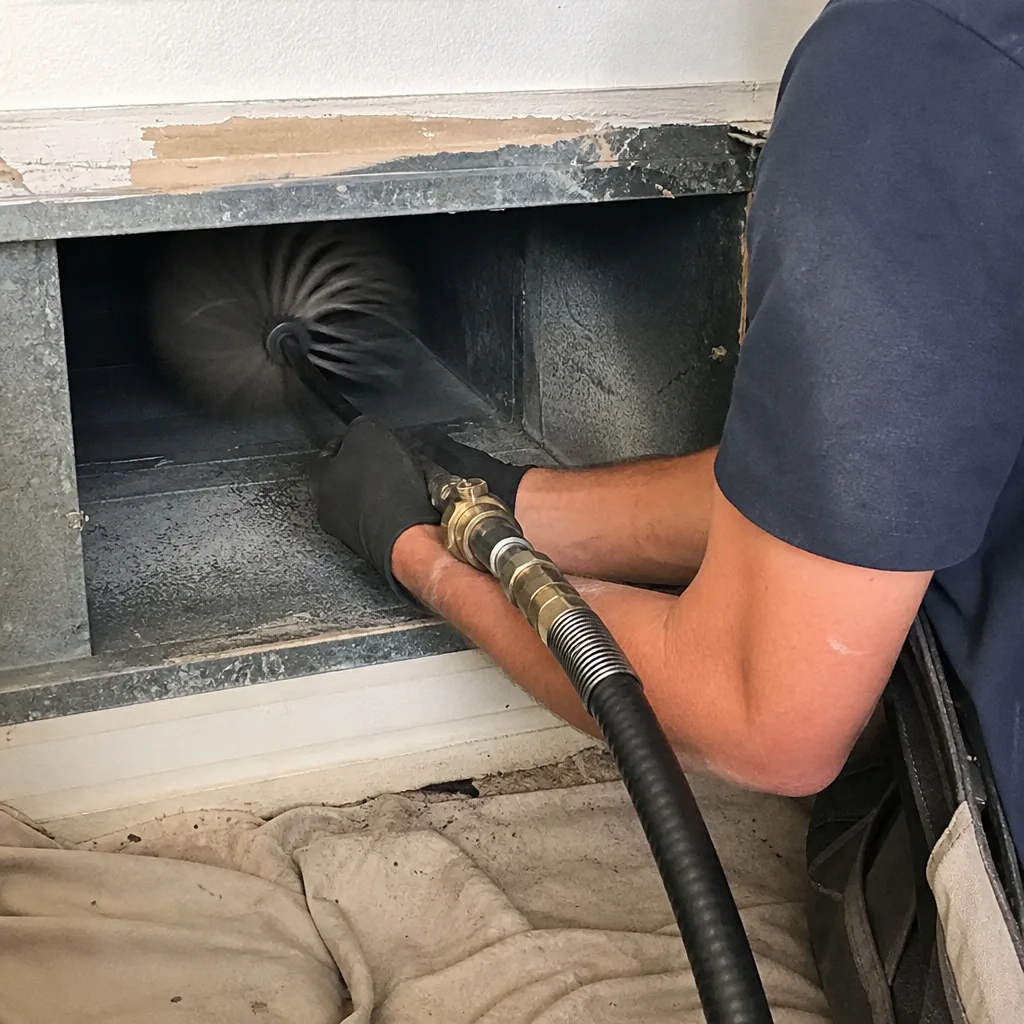
 Whole-home duct cleaning
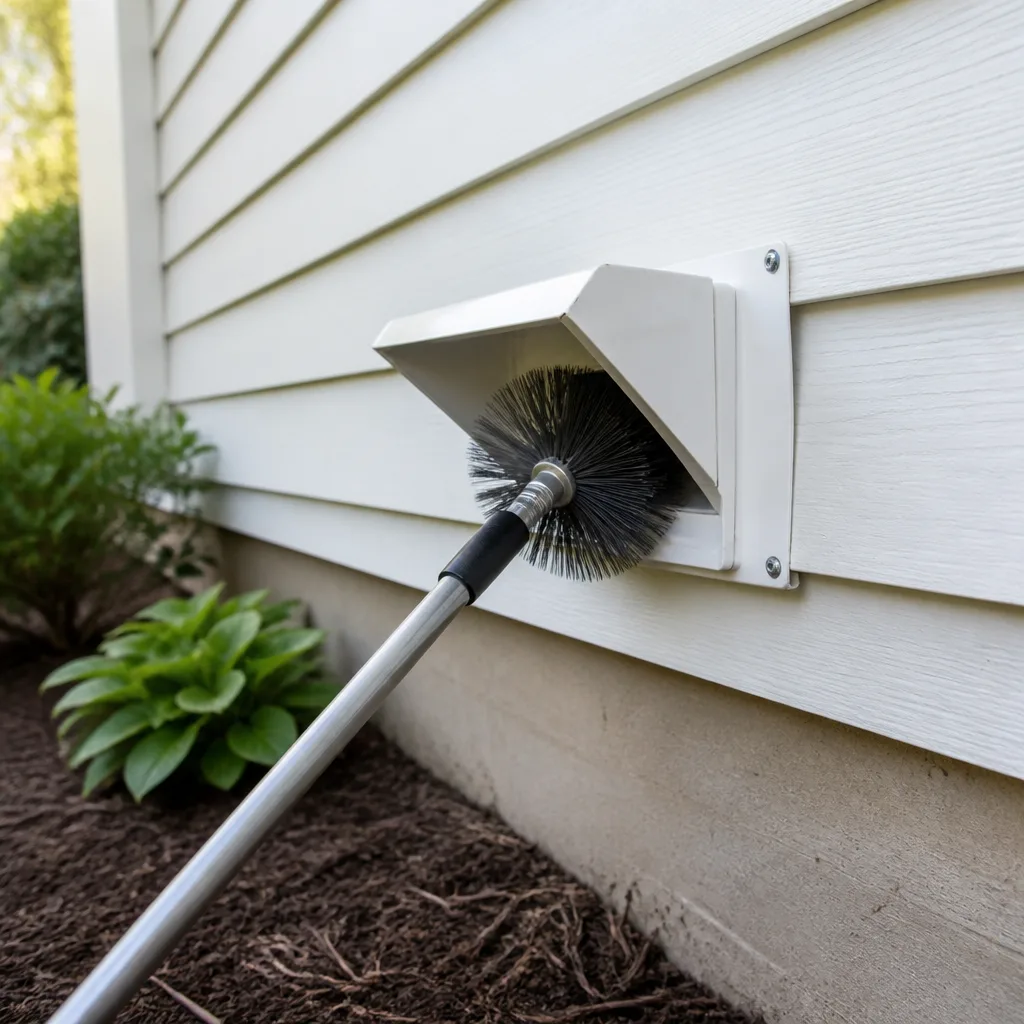 Dryer vent cleaning
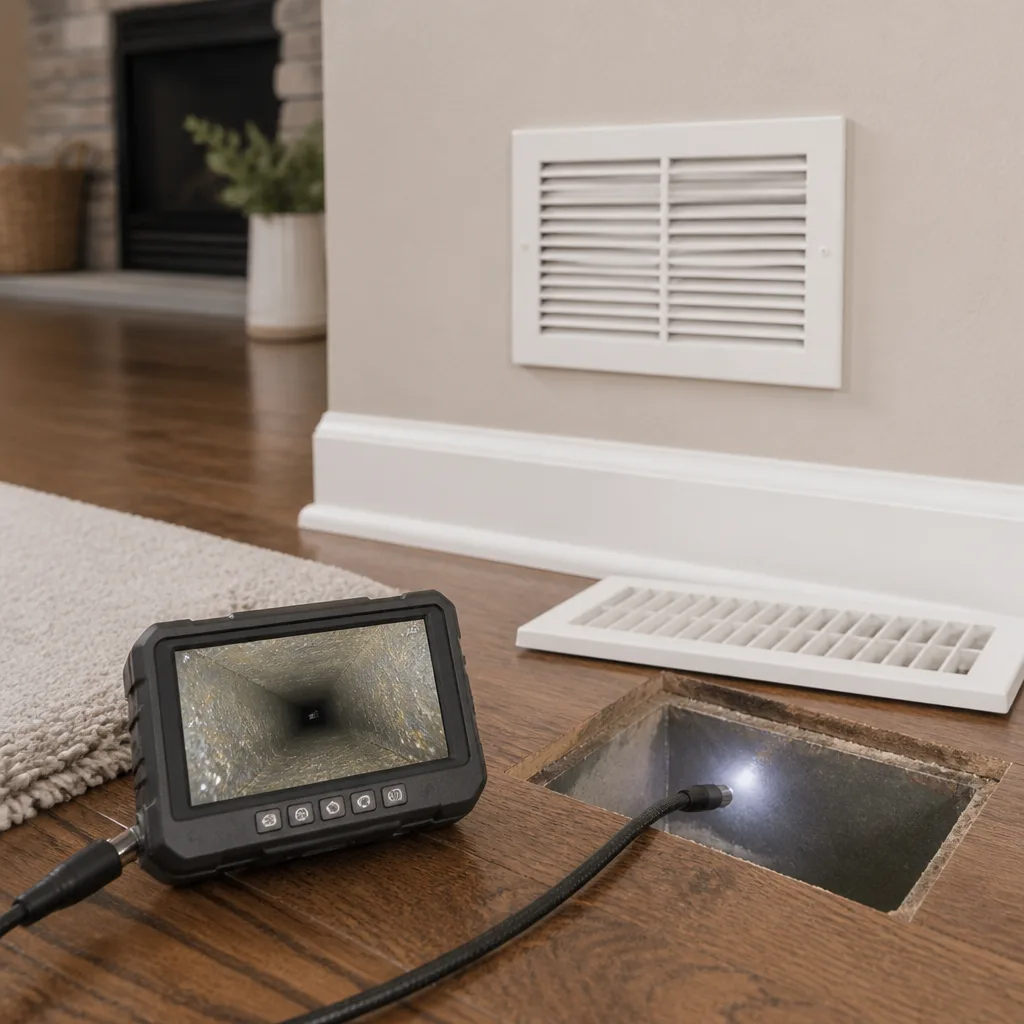 Camera inspection
 Sanitizing & deodorizing
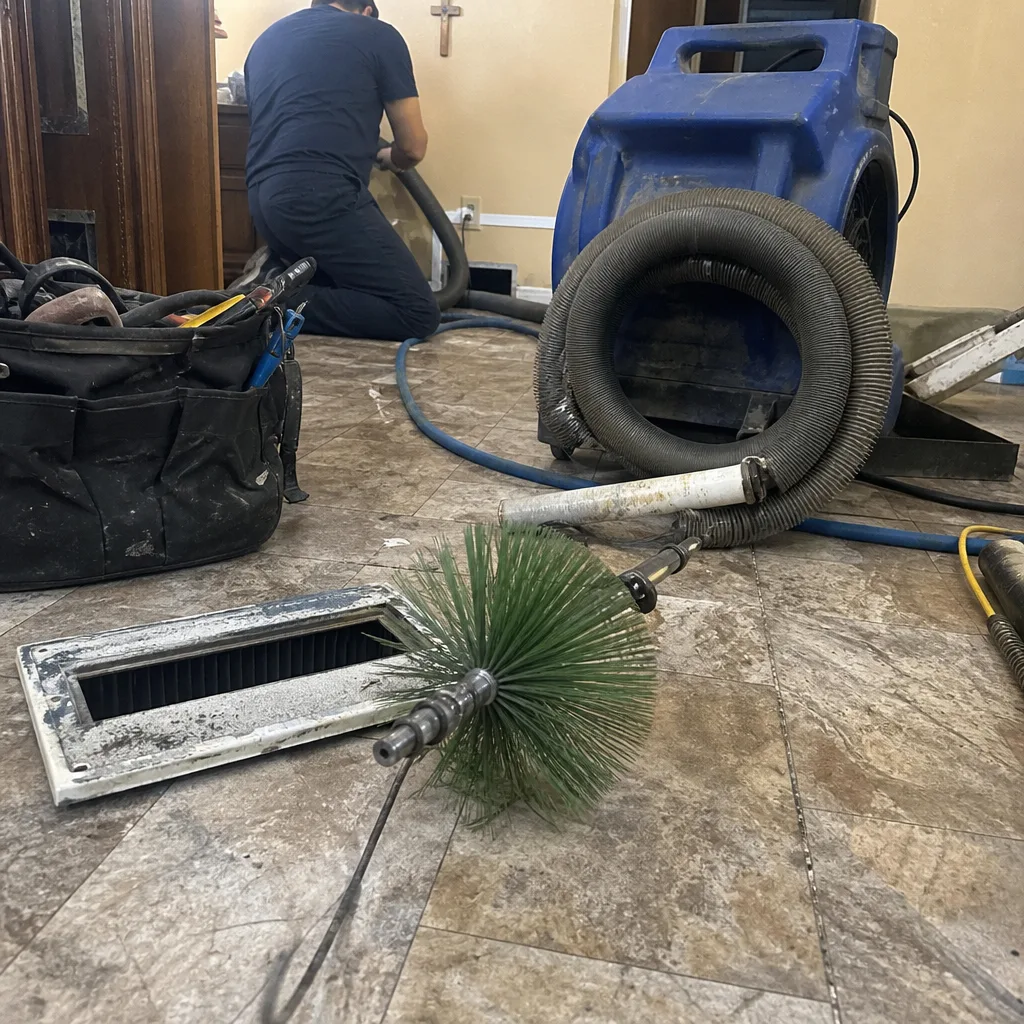
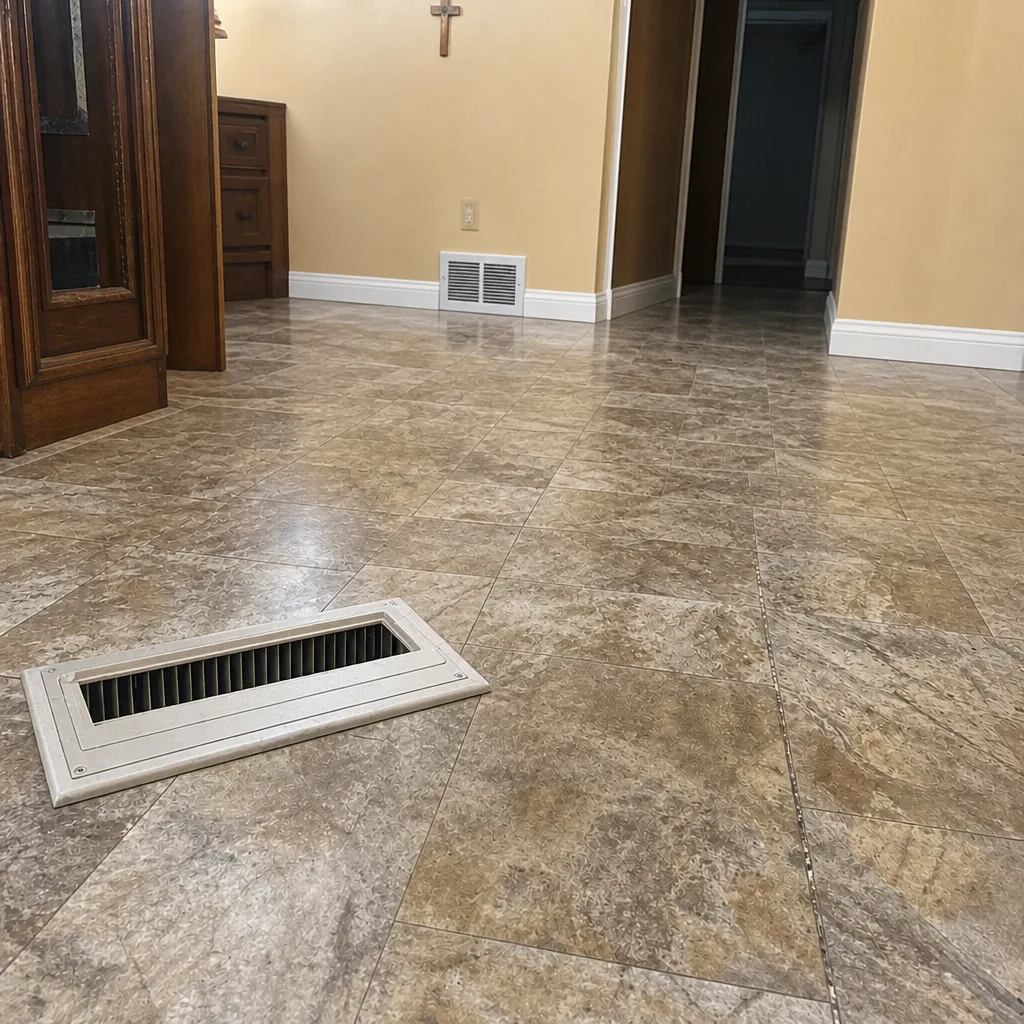
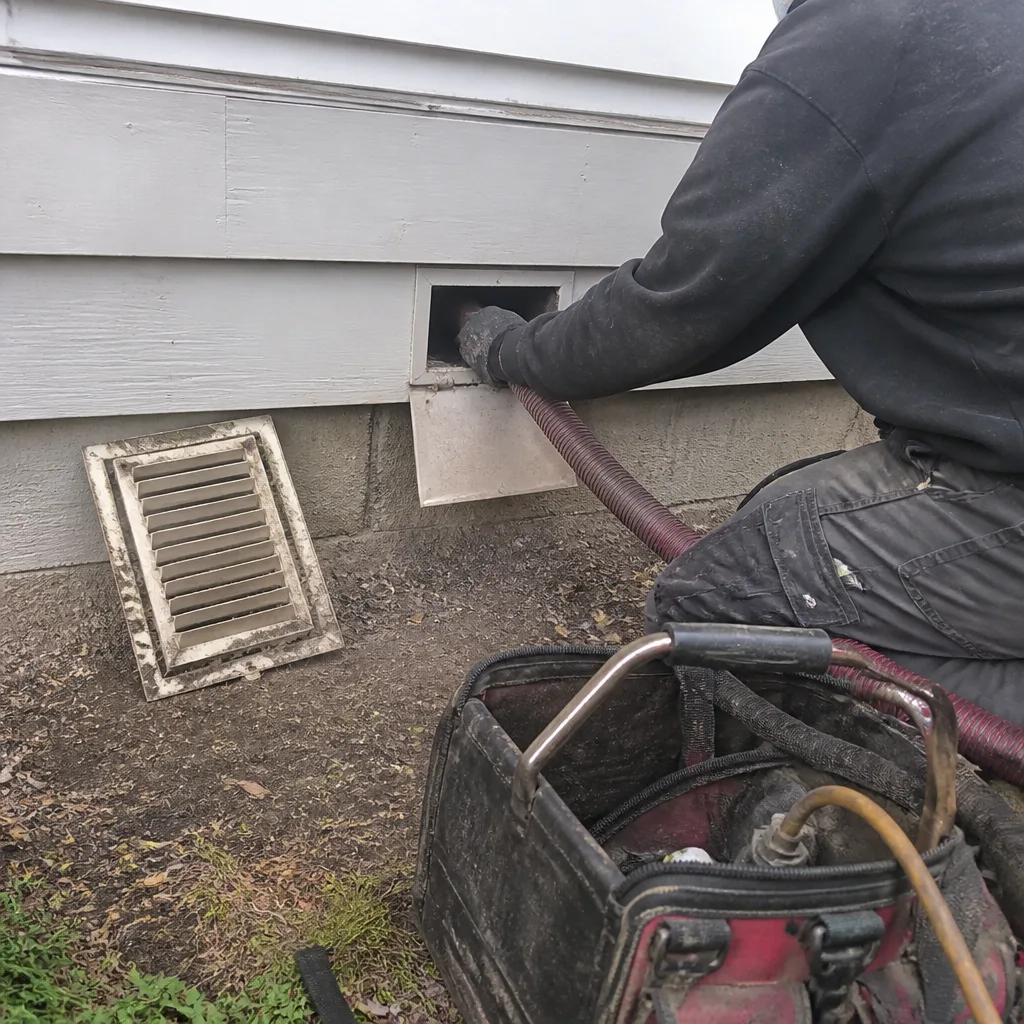
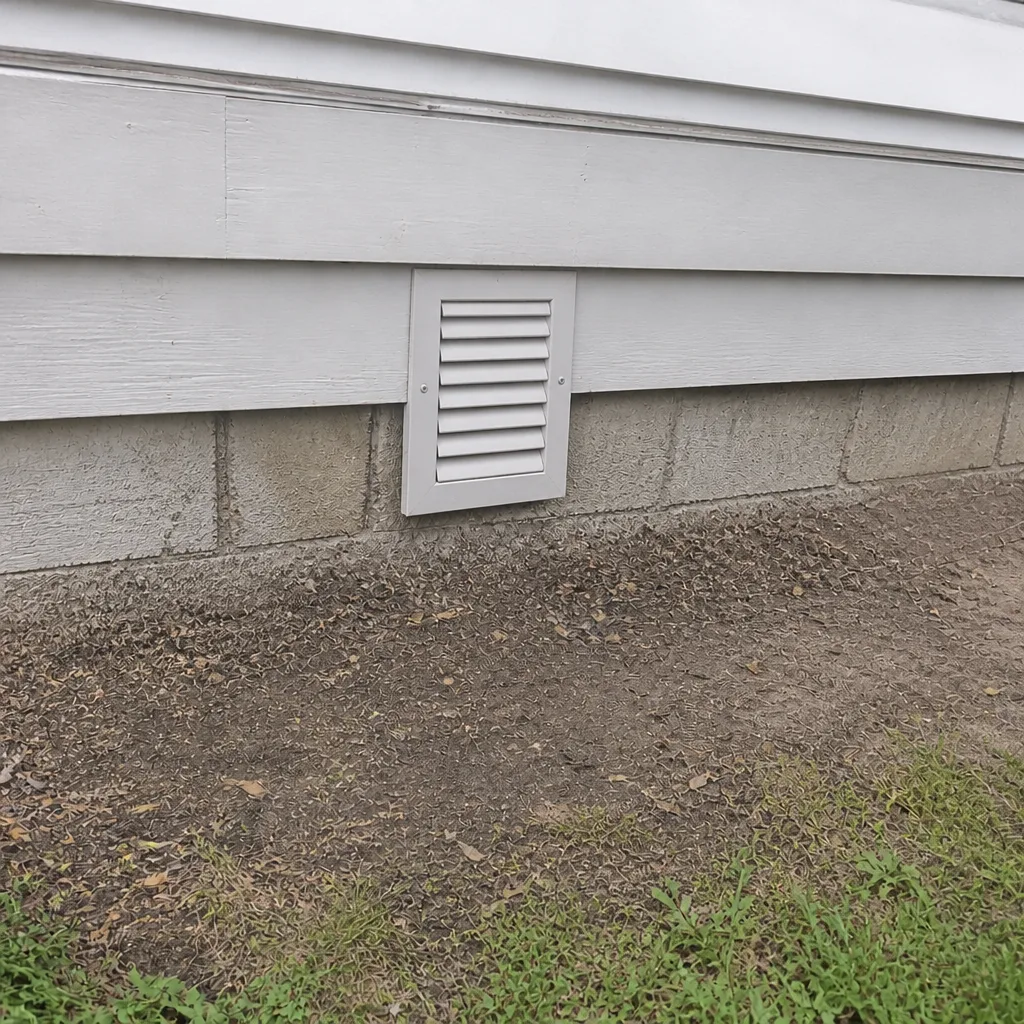
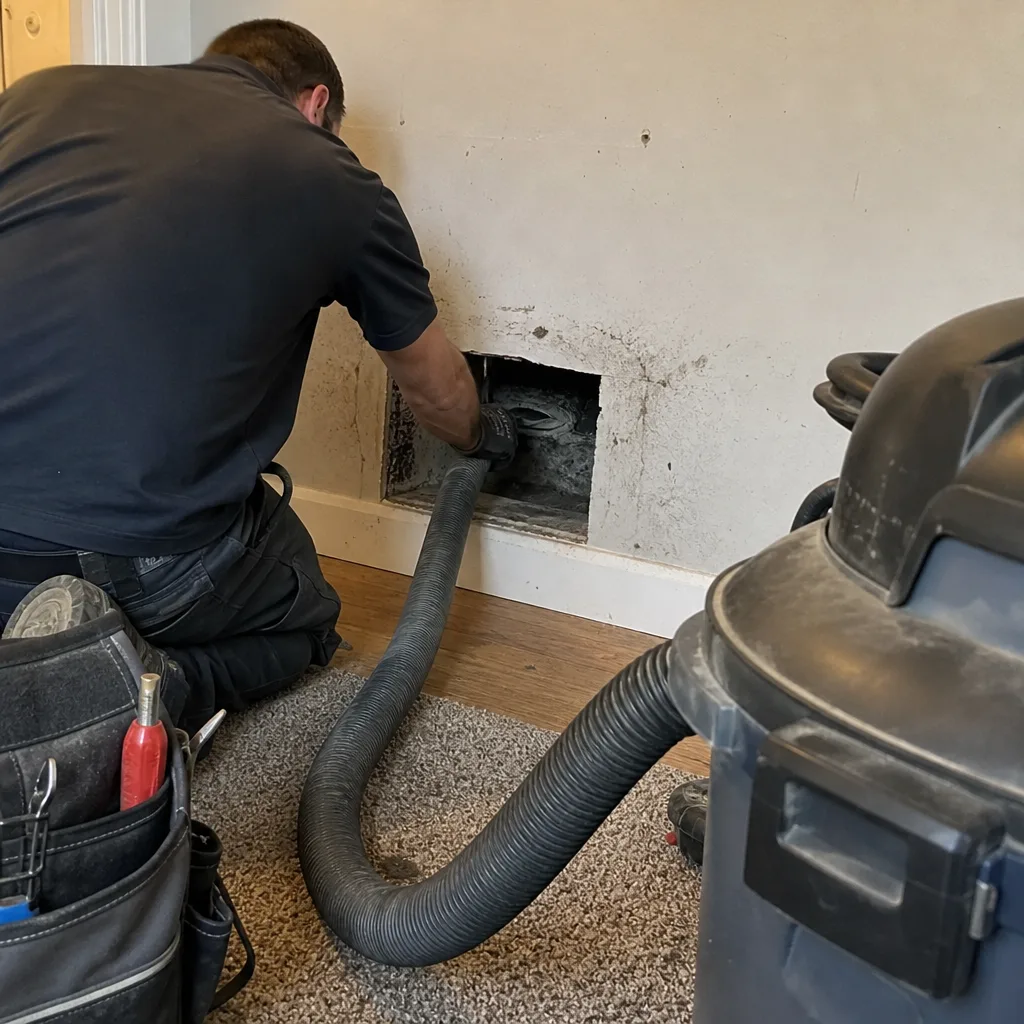
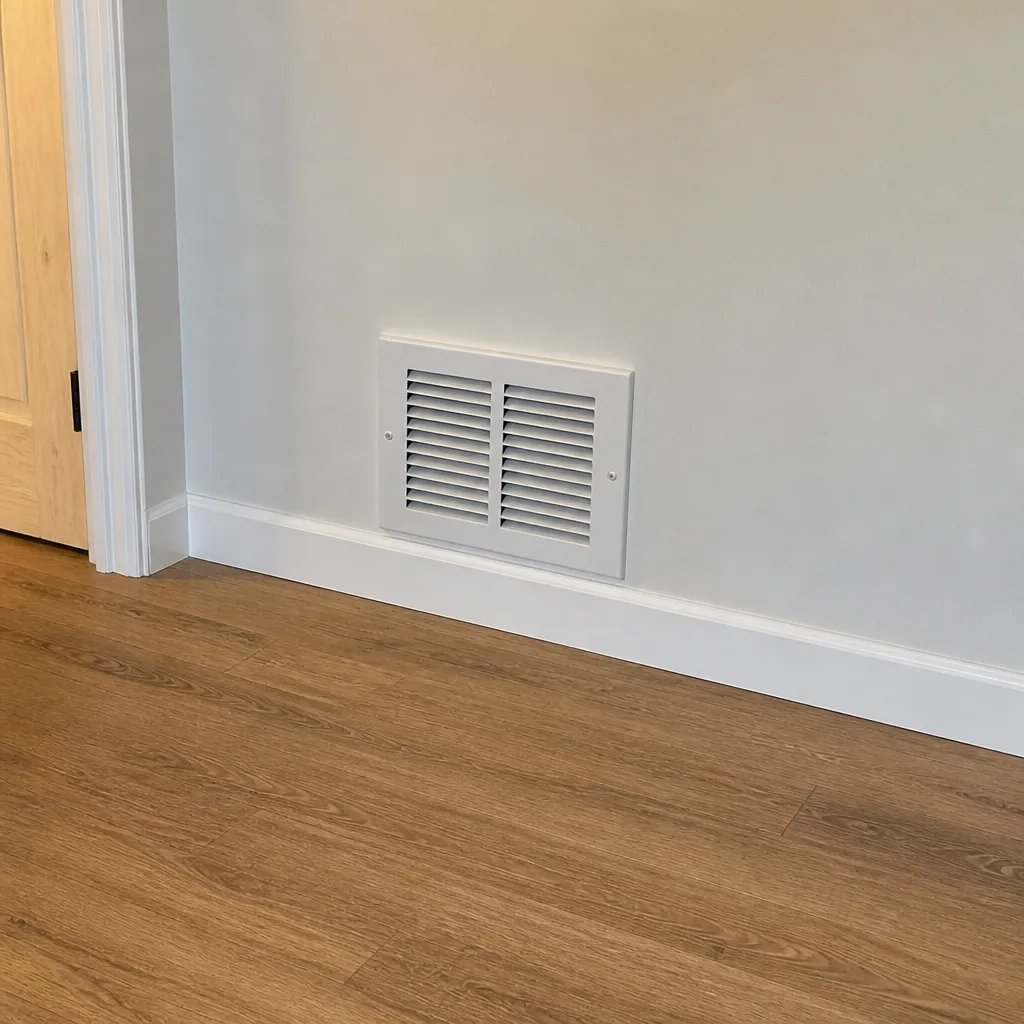
Whole-system duct and dryer vent check with before-and-after photos - you see exactly what came out of your vents
That "$99 whole-house special" is a bait ad - the real number appears once they are in your hallway, or the "clean" is a shop-vac at the register. We photograph the inside of your ducts before and after instead.
DIY vs Professional Air Duct Cleaning: The Tacoma Homeowner’s Decision Guide
Here’s the part most DIY duct cleaning advice gets wrong: the tool isn’t the problem, the direction is. A shop vac at your supply register pushes air and debris back into the system, not out of it. Professional duct cleaning pulls from the trunk with sustained negative pressure so debris travels toward a collection point instead of settling deeper into the runs. That’s a difference in physics, not effort. This guide walks through what consumer equipment can actually do, what it can’t, where a Tacoma homeowner can safely handle things alone, and the specific situations in Tacoma homes where a DIY attempt makes the problem worse and costs more to fix than the cleaning saved.
Quick Answer
DIY air duct cleaning can handle register faces, visible lint in a dryer vent, and a quick visual check of accessible flex duct, and that’s about the ceiling of it. Cleaning the interior of a duct system requires negative-air extraction equipment that pulls debris from the trunk toward a sealed collection point, which no consumer vacuum generates. In Tacoma homes with flex duct in unconditioned crawl spaces, a DIY attempt often causes more harm than good, and professional cleaning is the right call whenever you smell mustiness, see rodent debris, notice uneven airflow, or it’s been years since the system was serviced.
Styles & brands we work with
- Whole-home duct cleaning
- Dryer vent cleaning
- Camera inspection
- Sanitizing & deodorizing
Table of Contents
- Why Negative Pressure Is the Whole Ballgame
- What a Rotobrush System Actually Does
- The Legitimate DIY Scope: What You Can Safely Do
- Tacoma Crawl Space Ductwork: Where DIY Goes Wrong
- When DIY Is Off the Table: Contamination Scenarios
- What Professional Cleaning Costs in Tacoma
- The Right Order: Clean, Then Seal, Then Filter
- Common Mistakes to Avoid
- When to Call a Professional
- Frequently Asked Questions
Why Negative Pressure Is the Whole Ballgame
The single most useful thing to understand about duct cleaning is that it’s a source-removal job, and source removal depends on which way the air moves. A vacuum at a supply register creates positive pressure inside that run. The air has to go somewhere, so it pushes loose dust and debris further into the duct, out through the nearest gap, or back up the trunk toward the air handler. You’ve moved the dust. You haven’t removed it. That’s the shop-vac outcome in a sentence, and it’s why running a consumer vac over the registers feels productive without actually being productive.
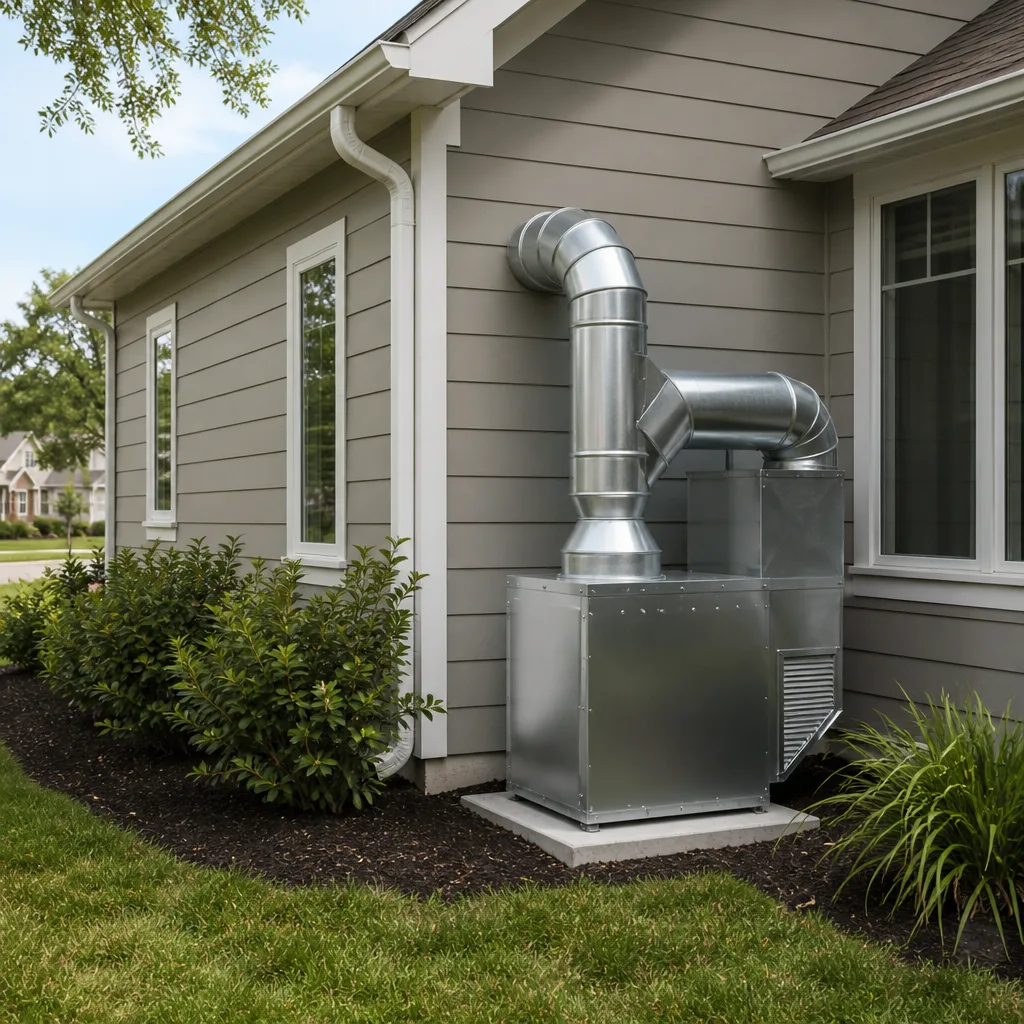
Professional cleaning inverts this. The technician seals the system, connects a high-volume negative-air machine at the trunk or the main return, and holds the whole duct network at negative pressure while a rotary tool agitates the duct lining. Debris loosens, gets pulled into the air column, and travels toward the collection point where it’s captured. This is the same contamination-control principle used in remediation work, and it’s why we run Nikro and Abatement Technologies negative-air equipment on the job rather than a hose on the end of a shop vac.
Three things have to be true at once for extraction to work:
- The system is sealed so air can’t short-cycle from an open register
- A negative-air machine with enough volume holds the whole network under pressure
- The agitation tool reaches the full length and circumference of each run
If any one of those fails, the cleaning is partial at best. A consumer vacuum can’t do the first or the second. That’s the entire argument, and no amount of scrubbing brushes from Home Depot changes it.
What a Rotobrush System Actually Does
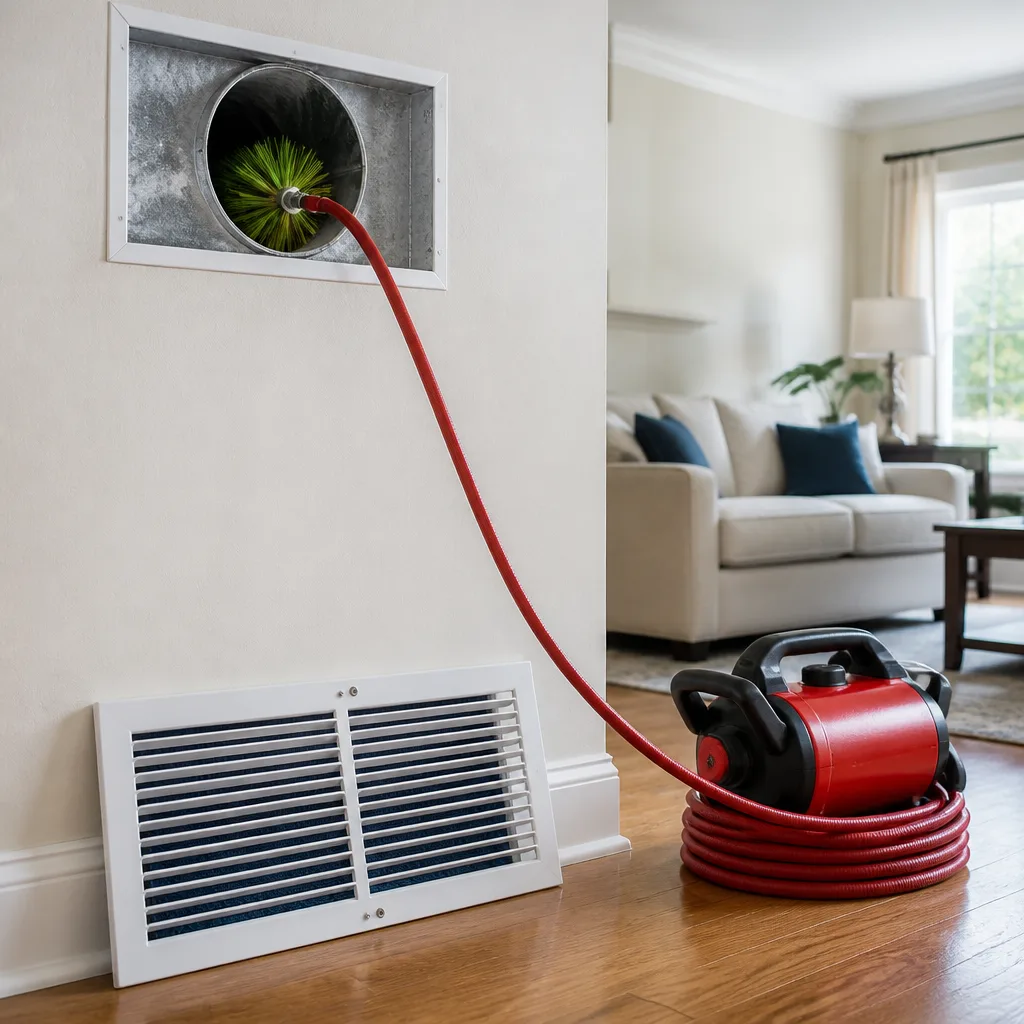
Dust doesn’t just sit in a duct. It clings. Fibrous debris, pet hair, construction dust, and the sticky film that builds up near the air handler all bond to the duct lining, and a vacuum alone won’t lift them. That’s the reason professional systems pair agitation with simultaneous extraction. A Rotobrush rotary brush system does exactly this: a spinning brush head whips the duct lining at high speed while a vacuum hose runs alongside it, pulling loosened debris out of the duct as it’s freed rather than letting it settle back down the run.
This matters because duct material changes the tool. Sheet metal in a home built mid-century or older tolerates aggressive rotary brushing well. Flex duct, which dominates newer construction and additions, needs lower-speed agitation to avoid tearing the inner liner. A technician who runs the same brush speed on both will damage the flex eventually. Knowing the difference between loose surface dust and adhered debris, and adjusting tool and speed to matching the duct, is the skill part of the job. The equipment exists to make the skill possible; equipment alone doesn’t make the job right.
Negative-air machines from Nikro and Abatement Technologies do the extraction half. The rotary brush does the agitation half. Both halves have to run at the same time, throughout the whole system, which is why a duct cleaning is a two-person process in most Tacoma homes. It’s also why a shop vac at the register can’t replicate it: the vac can agitate a little surface dust (badly), and it can’t extract.
The Legitimate DIY Scope: What You Can Safely Do
There’s real work a homeowner can do, and it’s worth being specific about where the line is. This is the honest list. Everything on it is safe, useful, and doesn’t require pulling duct apart or going under the house.
- Clean the register faces and grilles. Pop each supply and return grille off, wash it in the sink or hose it off outside, dry it fully, and set it back. Dust on the face of a grille looks like duct contamination, and often it’s just the grille. This is the single highest-value DIY step.
- Vacuum the return grille and the immediate throat behind it. Use a brush attachment and light suction only. The visible dust on the return face and in the first few inches behind the grille is fair game. Stop there.
- Inspect accessible flex duct visually. In an open basement or attic with your eyes only, look at flex runs for kinked sections, disconnected collars, torn outer jackets, or sagging. You’re checking, not repairing. If anything looks wrong, note it and call a pro.
- Clear dryer vent lint from the dryer end. Disconnect the dryer, clean lint out of the short flexible section and the dryer’s own exhaust port, and reconnect. The full run from laundry to exterior wall is a different job, and we cover that in dryer vent cleaning. Lint is a genuine fire risk and it accumulates quietly, so clearing the accessible section is worth doing regularly even when you schedule the full cleaning.
- Change filters on schedule. Filter changes are the single most effective thing a homeowner does for airflow and indoor air quality. It’s not duct cleaning, but it’s adjacent and it matters.
- Keep humidity reasonable in the home. Tacoma winters are damp, and a heated, well-sealed house holds that moisture. Running the bath fan and kitchen hood, and keeping indoor humidity in check, slows the conditions that let mold indicators appear inside ducts.
Notice what’s on that list: everything a homeowner can reach without a powered tool inside the duct. Everything else, meaning the interior of the runs and the trunk, is where professional extraction begins and DIY ends.
Tacoma Crawl Space Ductwork: Where DIY Goes Wrong
A lot of Tacoma’s housing stock was built with duct systems routed through unconditioned crawl spaces. That includes large stretches of older neighborhoods around North Tacoma, the Proctor District, South Tacoma, and the Lincoln District, where mid-century and earlier homes commonly run flex duct or wrapped rigid pipe under the floor. Those runs sit in a dirt-floored or bare-concrete crawl space that stays damp most of the year. Wrapped insulation gets compromised by moisture over time. Flex duct sags and pulls at fittings. When you stick a consumer vacuum hose or a spinning brush attachment into those runs from above and pull, you’re stressing connections the installer tensioned by hand.
What goes wrong most often, in our experience:
- Flex duct disconnects at a collar inside the crawl space, dropping heated air under the house where nobody sees it, which shows up later as a cold room or a climbing gas bill
- The inner liner tears when a brush is run at the wrong speed or from the wrong end, and a torn liner catches debris forever after
- Insulation around the duct gets pulled apart or compressed, which is a slow leak of conditioned air even after the run is put back
- Duct tape and mastic at old fittings fail when a shop-vac hose is pulled through, and the leak is hidden
A crawl space duct repair costs more than a professional cleaning would have. That’s the tradeoff a homeowner is actually making when they decide to “try it themselves first.” The crawl space is also the reason a professional cleaning in a Tacoma home involves a proper crawl-space inspection alongside the extraction. If the runs underneath are compromised, cleaning the inside of them is pointless until the duct is repaired and sealed.
When DIY Is Off the Table: Contamination Scenarios
Some situations flip the answer from “you could try it” to “don’t touch this yourself.” These aren’t marketing scare tactics. They’re the specific scenarios where agitating a duct system with consumer equipment can spread a real problem into living space instead of removing it. In each case, the correct move is a professional cleaning with negative-air containment, not a shop vac.
Rodent debris
Mice and rats get into crawl space duct runs and into the duct interior itself through gaps and disconnected joints. Their droppings, nesting material, and urine carry pathogens, and agitating that material with a household vacuum disperses it into the air column of the room you’re standing in. The HEPA filter on most consumer vacs isn’t rated for this. A professional setup captures it at the collection point with negative pressure and proper filtration, using equipment like the Abatement Technologies units borrowed from remediation practice.
Mold indicators
Visible dark spotting on duct lining, a persistent musty smell from the registers, or condensation on duct surfaces in a damp crawl space all point at a moisture problem. If there’s mold growth in the ductwork, the fix isn’t cleaning alone. The moisture source has to be addressed, the duct sanitized as part of a full job, and duct sealing checked. We handle air quality and sanitizing as a named service because cleaning mold without addressing the conditions that grew it is a temporary fix. If you suspect mold, don’t run a brush through the duct yourself; expect a trained technician to look at the whole system, not just the visible run.
Post-renovation drywall dust
After a remodel, drywall dust and construction debris settle into ductwork and clogged filters. Drywall dust is fine, abrasive, and gets everywhere. A consumer vac at the registers pushes it deeper and coats the inside of the trunk with a film that a shop vac can’t remove. A professional cleaning after renovation happens from the trunk with negative pressure and full extraction, and it typically pairs with HVAC cleaning at the same time. We cover that on our HVAC cleaning page because the air handler and coil are usually coated too.
What Professional Cleaning Costs in Tacoma
Professional air duct cleaning in Tacoma is priced per system, not per vent, and a reasonable whole-home job typically runs several hundred dollars depending on the number of runs, system size, and whether dryer vent and HVAC cleaning are added. Quotes from duct cleaners who price per vent, or who advertise a coupon price that balloons on-site, are the industry’s bait-and-switch pattern. One flat price per system, agreed before work starts, is the right standard.
Rough shape of the market:
- Air duct cleaning, standard whole-home system: typically several hundred dollars, set per system by written estimate
- Air duct plus HVAC unit cleaning: additional cost because the air handler and coil are included
- Dryer vent cleaning: a standalone service priced per run; commonly bundled into a full-project estimate
- Duct repair and sealing: priced per repair by written estimate, after inspection identifies the leak or tear
- Sanitizing: priced per system when included with a cleaning, not sold alone
What drives the price up in a Tacoma home: crawl space access, number of runs, flex versus sheet metal, contamination level (rodent or mold adds labor), and whether duct repair and sealing are needed. What drives it down: simple access, a single-story home, and a system that’s been maintained. When quotes come in far below the norm for the area, the answer is usually that the cheaper quote covers less, or that it’s a per-vent teaser with a large upgrade waiting inside. Get the estimate in writing, ask what’s included and what isn’t, and confirm the price won’t change once the tech is on-site. Our full service scope is described on our air duct cleaning page, and estimates are free.
The Right Order: Clean, Then Seal, Then Filter
Cleaning alone is only useful if the ducts hold what goes into them. Every time the system runs, leaks in the ductwork draw air from the crawl space back into the duct and deliver it into rooms. Sealant and repair fix that. This is why cleaning, sealing, and filtration make sense in that order, and why a company that cleans but can’t repair and seal leaves the job half done.
- Clean the duct system. Full negative-air extraction across every run and the trunk, plus the air handler if HVAC cleaning is included. Source removal is the foundation.
- Inspect and repair leaks. Duct repair and sealing happens after cleaning exposes the weak points: torn flex liner, loose collars, failing mastic, disconnected joints in the crawl space. Sealing is what makes future cleaning last.
- Sanitize the system if needed. Sanitizing is done after cleaning, when the surfaces are clean enough for a sanitizer to work as intended, and after the moisture source has been addressed.
- Upgrade filtration and humidity control. For homeowners who want cleaner air and stable humidity, a whole-home filter or humidifier installed at the air handler handles what a filter at the return can’t. Aprilaire and Honeywell product families are both in that category, and we integrate them as part of a full-project visit.
Handling all of it in a single visit means one scope, one price, and the same crew sees the whole system. That’s the clean-then-seal-then-filter sequence in a Tacoma home, and it’s the only version of the job that actually changes what comes out of your registers.
Common Mistakes to Avoid
- Running a shop vac at the supply registers. This is the single most common DIY error. The positive pressure it creates pushes debris deeper into the system and back toward the air handler, which is the opposite of source removal. You haven’t cleaned the ducts; you’ve redistributed the dust.
- Running a brush attachment into a flex duct from a register. Flex duct liner tears easily at the wrong speed and angle, and a torn liner can’t be cleaned properly afterward. In a Tacoma crawl space, the tear often goes unnoticed until air loss shows up on a winter bill.
- Skipping the crawl space on a home that has one. Cleaning the visible ductwork above the floor while ignoring disconnected runs and rodent damage under the house does nothing for the air that eventually reaches your living space. The crawl space has to be part of the inspection.
- Buying a per-vent coupon estimate. Per-vent pricing is the industry’s oldest bait-and-switch. A low teaser price that balloons once the tech is on-site isn’t a quote; it’s a lead. One flat price per system, written up front, is what you want.
- Cleaning before sealing. Vacuuming a leaky duct system is wasted work because the leaks will pull contaminated air back in as soon as the system runs. Seal first if leaks are the issue, then clean.
- Choosing a cleaner who doesn’t do repair. If the company can only clean and can only report the leaks it finds, you’ll need a second contractor for the sealing, and the second contractor won’t have a share in the outcome of the first. Duct repair and sealing should live with the cleaner.
- Ignoring the dryer vent. The dryer vent is part of the indoor air system, and lint buildup is a real fire risk. Clearing the accessible elbow behind the dryer is a DIY task; the full run to the exterior wall belongs to a professional. Remember: dryer vents clog quietly, until they don’t.
When to Call a Professional
Call for professional cleaning when any of the following is true in your Tacoma home: you smell a musty or dusty odor from the registers, you’ve had rodents or evidence of rodents in the crawl space or ductwork, you’re seeing uneven airflow or cold rooms on one side of the house, you’ve finished a renovation and drywall dust has gone through the system, it’s been years since the last cleaning, you or someone in the home has developed allergy or respiratory symptoms that worsen indoors, or a visible problem at a duct joint tells you there’s a leak. If any of those matches, a cleaning with negative-air containment is the right call, and a professional who can also handle duct repair and sealing saves you a second visit. Tacoma Air Duct Cleaning Co offers free estimates in Tacoma. Call (877) 792-6024. We answer 24/7. Fast dispatch from 7am to 7pm, Sunday through Friday.
Frequently Asked Questions
Air duct cleaning in Tacoma is priced per system, not per vent, and a standard whole-home system typically runs several hundred dollars, with the written estimate setting the final price. Larger homes, crawl space access, and added services like HVAC cleaning or dryer vent cleaning raise the total. Call (877) 792-6024 for an exact quote. Estimates are free.
The cheaper quote is usually a per-vent teaser price that expands once the technician arrives, or it covers only register faces and not the runs. It’s rarely a full source-removal job. Ask what’s included in writing, ask what the equipment is, and confirm the price won’t change on-site. Call (877) 792-6024 for a quote you can compare. Estimates are free.
Ask for before-and-after photos of your own ducts. A legitimate professional will take them. If the contractor can’t show you what came out of your system, treat the cleaning as unverified. On our jobs, before-and-after photos of the customer’s own system are standard. Call (877) 792-6024 if you’d like to see what a full-scope estimate includes. Estimates are free.
Every two to three years is a reasonable interval for most Tacoma homes, and sooner after a renovation, a rodent problem, or in a home where the return grilles clog quickly. Homes with pets, smokers, or crawl space ductwork often need it closer to every two years. Call (877) 792-6024 and describe the home; the estimate will tell you if cleaning is due. Estimates are free.
You can clean the short section between the dryer and the wall safely, and you should do that regularly to remove lint at the source. The full run from the laundry to the exterior wall is a job for professional dryer vent cleaning, because the run is longer than a consumer kit can reach and lint packed against the exterior flap is the part that matters most for fire risk. Call (877) 792-6024 to book the full run. Estimates are free.
Yes. Duct repair and sealing is a named service, so a leak or a torn liner found during cleaning gets repaired and sealed as part of the same project. That’s the point of having cleaning and repair under one company. Call (877) 792-6024 to schedule an inspection and estimate. Estimates are free.
The Bottom Line
The DIY versus professional question is really about source removal: does the debris go into a collection point and out of the house, or does it get moved around inside the duct? A consumer vacuum doesn’t generate the sustained negative pressure that a professional system does, so it can’t do source removal. That leaves the register faces, dryer lint behind the dryer, and a visual check of accessible ducts as the legitimate DIY scope. Everything else is a professional job, especially in a Tacoma home with crawl space ductwork, contamination, or anything that looks like a leak or a mold indicator. Clean ducts are only as good as sealed ducts, and one company can do both.
If you’ve read this far and the answer is starting to feel obvious, it probably is. Call (877) 792-6024 for a free estimate. We answer 24/7. Fast dispatch from 7am to 7pm, Sunday through Friday. One flat price per system, agreed before work starts, and before-and-after photos of your own ducts.
You can also start at Tacoma Air Duct Cleaning Co to see how we describe the whole scope, or book the full system in one visit: professional-grade equipment, not a shop vac and a hose.
Written by the team at Tacoma Air Duct Cleaning Co.
See the difference
 Before
 After
 Before
 After
 Before
 After