
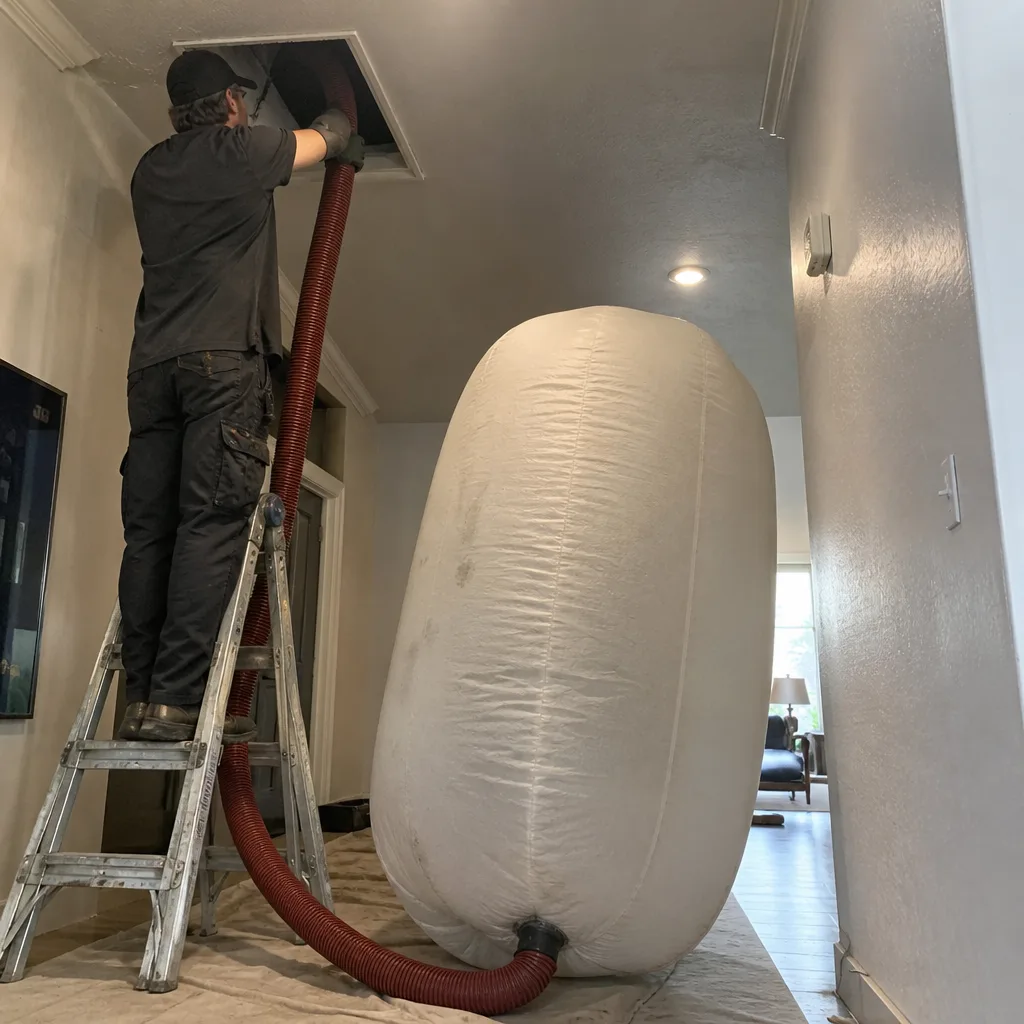
Last updated November 23, 2026
 Whole-home duct cleaning
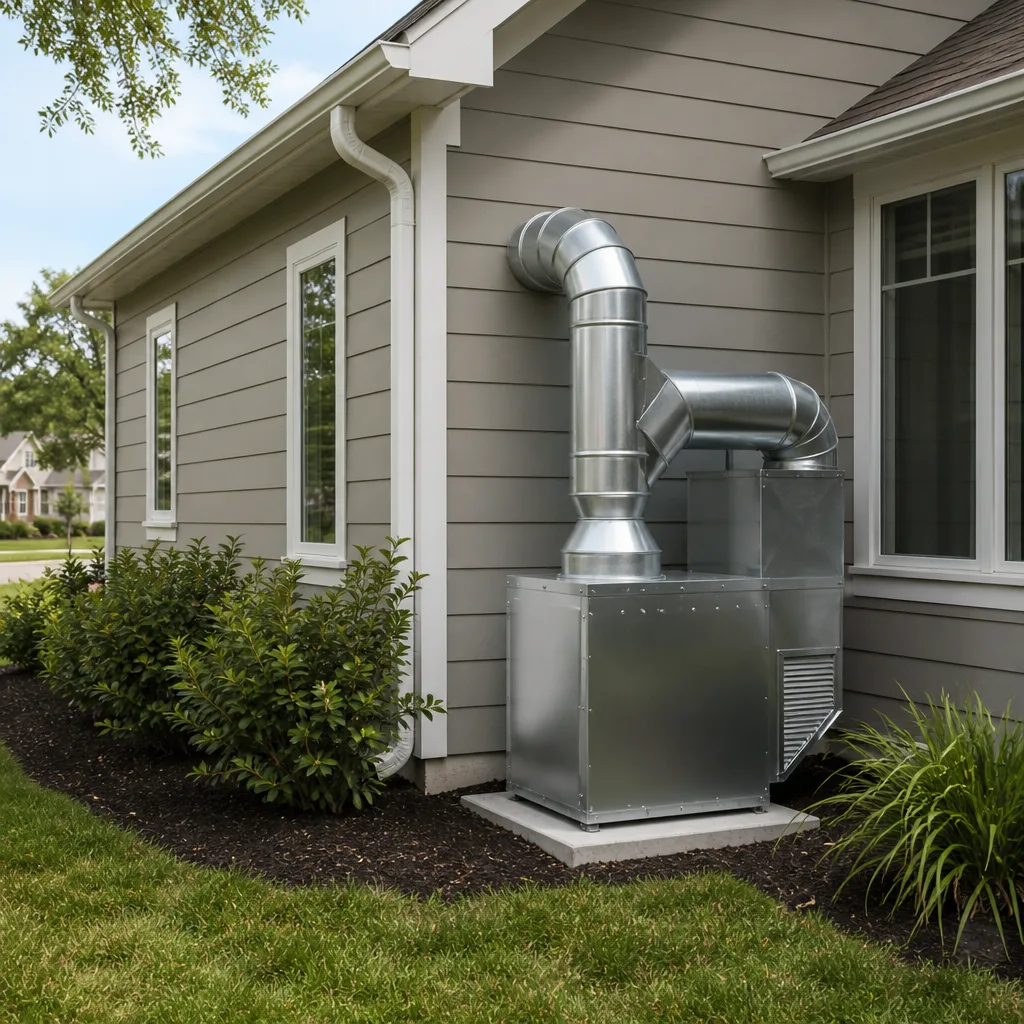
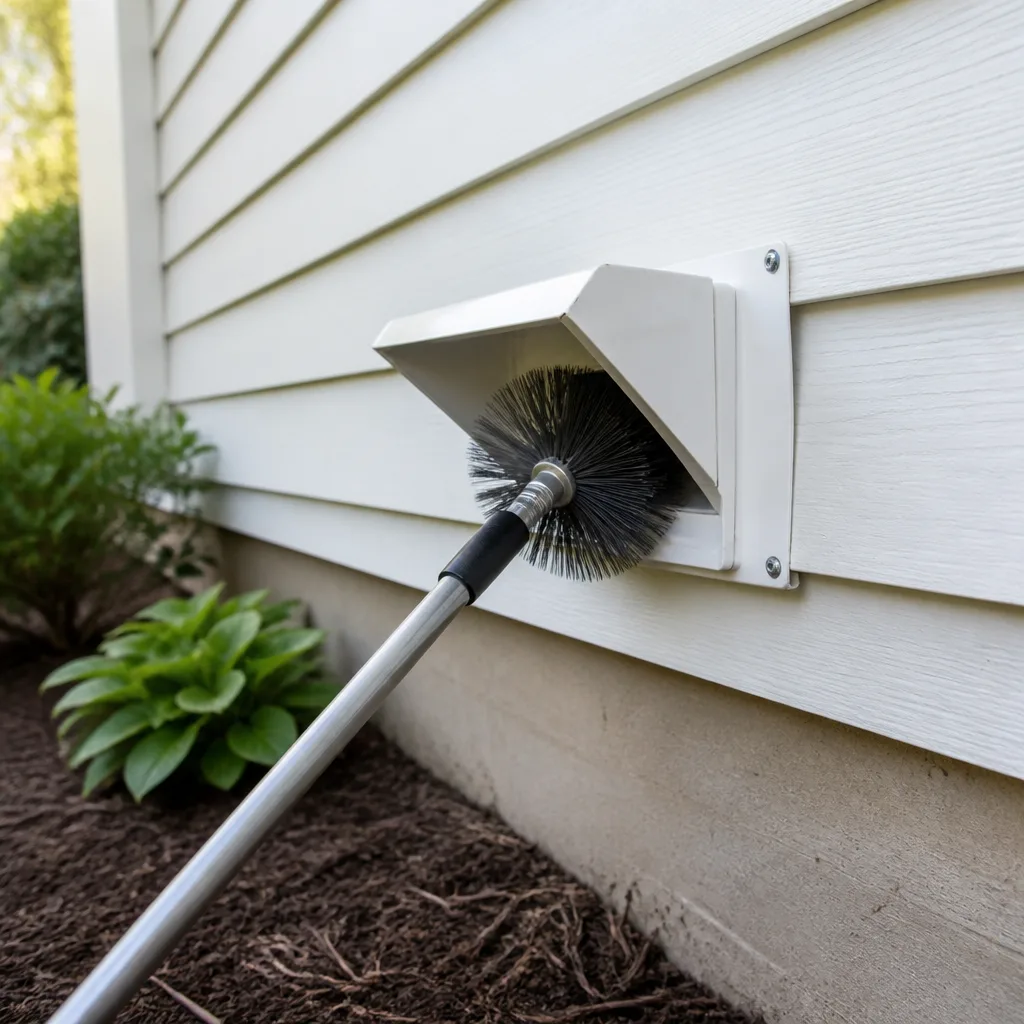 Dryer vent cleaning
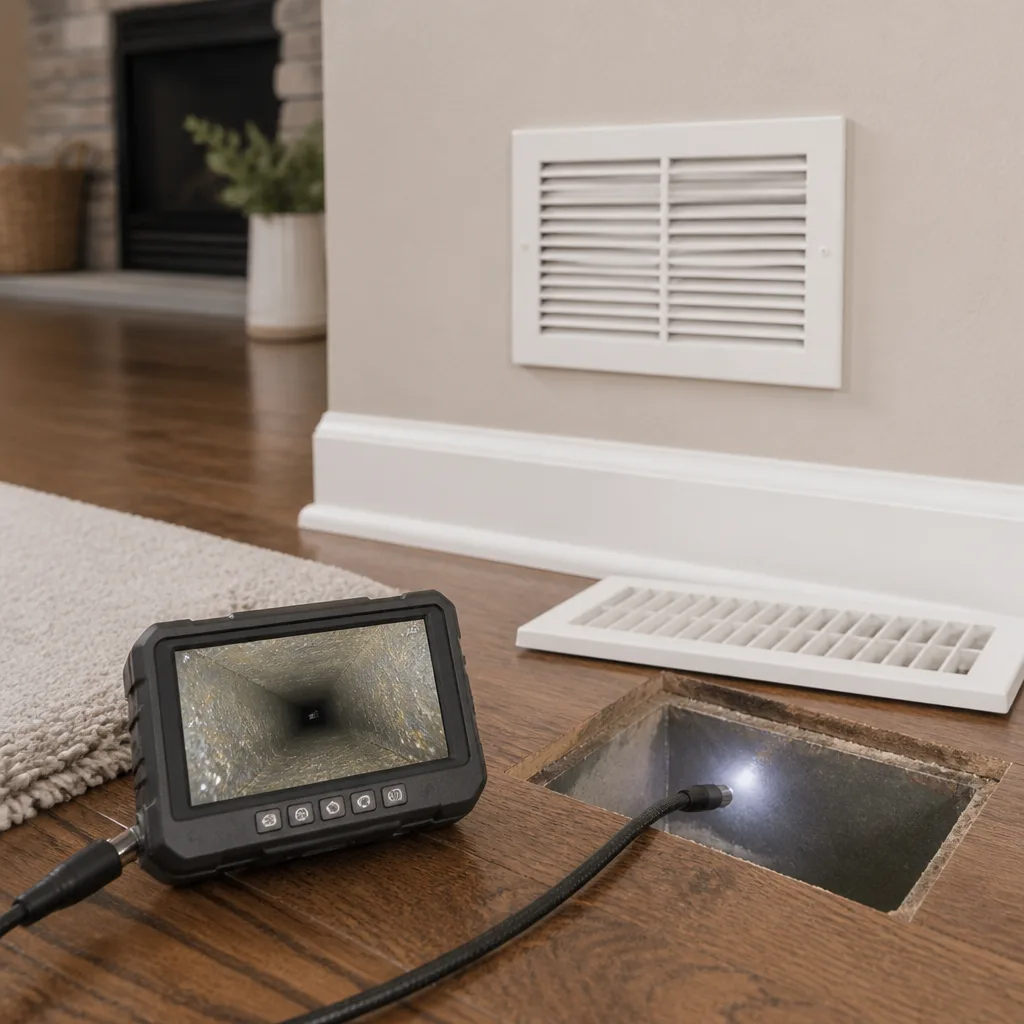 Camera inspection
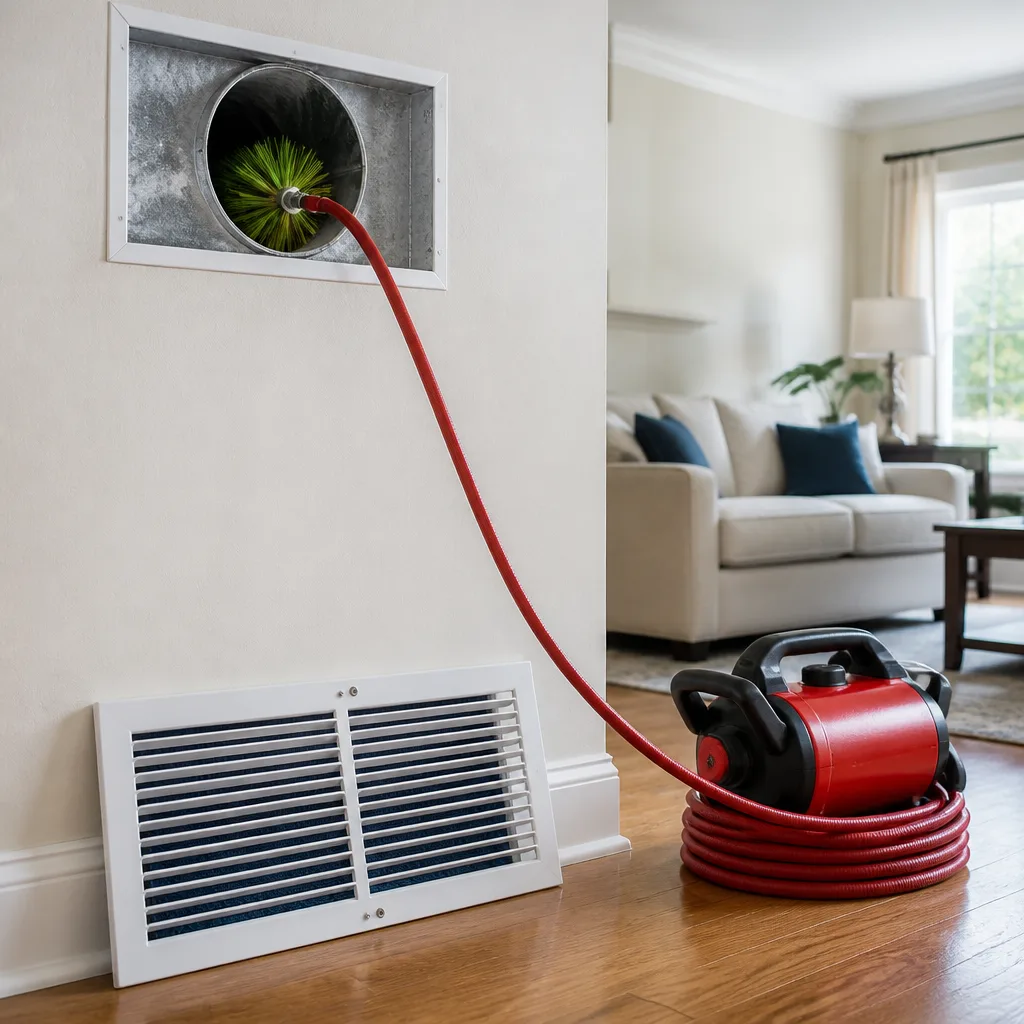 Sanitizing & deodorizing
Whole-system duct and dryer vent check with before-and-after photos - you see exactly what came out of your vents
That "$99 whole-house special" is a bait ad - the real number appears once they are in your hallway, or the "clean" is a shop-vac at the register. We photograph the inside of your ducts before and after instead.
The Complete Guide to Air Duct Cleaning in Tacoma
Here’s the part most duct cleaning articles get wrong: the debris inside a Tacoma home’s ducts isn’t the same stuff you’d find in Phoenix or Denver. Tacoma’s average relative humidity sits above 80% for five months of the year, which changes what accumulates in your ductwork and how it behaves. Dust that stays dry and loose in a desert home compacts into a heavier, stickier layer here, and in some cases it becomes biologically active before anyone touches it. That single fact reshapes how a duct system should be cleaned, which equipment works, and what “clean” actually means. This guide walks through the anatomy of a Tacoma duct system, what builds up in it year by year, how the region’s housing eras affect the job, and how to verify that the work was done right.
Quick Answer
Air duct cleaning in Tacoma removes accumulated dust, debris, and biological growth from the entire duct system, including supply trunks, return plenums, and the air handler cabinet, not just the visible registers. Because of the region’s high humidity, professional source-removal cleaning with rotary brush and negative-air equipment is more effective here than surface-only vacuuming. A full-system cleaning usually runs once every three to five years for most Tacoma homes, more often if you have pets, allergies, recent renovation dust, or a wildfire smoke season that pulled debris into the return side.
Styles & brands we work with
- Whole-home duct cleaning
- Dryer vent cleaning
- Camera inspection
- Sanitizing & deodorizing
Table of Contents
- Why Tacoma’s Climate Makes Duct Contamination Different
- Source Removal vs. Surface Cleaning: What the Equipment Actually Does
- Tacoma Housing Eras and Ductwork Construction
- What Full-System Scope Covers (and Why Stopping at the Registers Leaves Half the Job Undone)
- How a Professional Cleaning Actually Runs, Step by Step
- How to Read a Post-Cleaning Verification
- What Air Duct Cleaning Costs in Tacoma
- Common Mistakes to Avoid
- When to Call a Professional
Why Tacoma’s Climate Makes Duct Contamination Different
Tacoma sits in a climate zone where indoor humidity climbs through the cooler months and stays elevated for a long stretch. That’s the single biggest difference between duct debris here and in a dry-climate city. When dust pulls from the air and lands in a duct, it stays loose if the surrounding air is dry. When the air is damp, that same dust picks up moisture, binds with lint and skin cells, and settles into a denser layer that clings to galvanized steel and flex duct walls alike. By the time a technician opens a register in a Tacoma home, the material inside is often compacted rather than free-flowing.
What that means practically:
- Brush selection matters more. A soft brush that would clear dry dust in a desert home can smear compacted debris along the duct wall instead of lifting it. Rotary brush systems with adjustable stiffness and controlled rotation are the right tool for the Pacific Northwest.
- Negative air is essential. Because the debris is heavier and more adhesive, a cleaning that relies on suction alone tends to disturb it without removing it. Negative-air machines keep the whole system under pressure so loosened material travels to the collection unit rather than back into the room.
- Biological activity is a real concern. Damp, compacted dust is an ideal surface for mold and mildew growth. In some Tacoma homes, the contamination is not just dust; it’s an active colony that needs sanitizing after removal, not just brushing.
- Wildfire smoke seasons compound it. The region’s summer smoke events push fine particulate through the return side and into the filter and blower. Homes near the Port and the industrial corridor also pull in more airborne particulate year-round than a suburban home farther from the water.
None of this means every Tacoma home needs aggressive cleaning every year. It does mean the cleaning has to be matched to the debris that’s actually present, and that’s why a professional assessment comes before any equipment comes out of the van.
Source Removal vs. Surface Cleaning: What the Equipment Actually Does
There are two completely different things sold as “duct cleaning,” and the difference determines whether the job actually removes contamination or just moves it around. Surface cleaning wipes down the register faces and vacuums what it can reach at the opening. Source removal goes into the duct itself, agitates the debris off the duct wall, and captures it under negative pressure so it leaves the system entirely. Source removal is the standard that matters, and it’s what the professional-grade equipment is built for.
Here’s what separates the two approaches in practice:
- Rotary brush systems. A motorized brush on a flexible shaft spins inside the duct, scouring compacted debris off the wall. This is the tool that handles the heavier Pacific Northwest accumulation a simple vacuum can’t touch. Brand-wise, Rotobrush systems are the industry standard for this.
- Negative-air machines. A high-volume vacuum pulls the entire duct system into negative pressure, so when the brush loosens debris, the air current carries it into a HEPA-filtered collection unit. Nikro negative-air machines are built for exactly this job, and they’re the same class of equipment used in remediation work.
- Contamination-control equipment. Abatement Technologies air filtration gear adds a layer of containment that most general HVAC contractors never bring to a residential job. It’s the kind of equipment you’d expect on a mold remediation project, and it’s what keeps fine particulate from drifting into living space during the cleaning.
- Sanitizing after removal. Once the source material is gone, an EPA-registered sanitizer applied to clean duct walls addresses residual biological growth. Sanitizing before removal just seals dirt in place; it has to come after.
The takeaway: ask what equipment will actually enter your ductwork. A shop vac and a hose is not source removal. A rotary brush system paired with negative air and proper containment is.
Tacoma Housing Eras and Ductwork Construction
Tacoma’s housing stock spans more than a century, and each construction era built ductwork differently. That changes how a cleaning has to be approached and how long it takes. A technician who doesn’t recognize the era will either damage the system or leave contamination behind.
Craftsman bungalows and pre-war homes (roughly 1900 – 1940)
Many of these homes in neighborhoods like North End, Proctor, and the Stadium District were built before forced-air heating existed. Ductwork was retrofitted later, often crammed into wall cavities, attics, and crawlspaces with whatever clearance was available. Runs are short, turns are tight, and sections of the system may be inaccessible without cutting access panels. Cleaning requires more careful brush maneuvering and often more than one entry point. Some of these systems were built with materials that need to be inspected for condition before a brush goes in.
Mid-century ranches (roughly 1945 – 1975)
The post-war build-out in Tacoma produced a large volume of single-story ranches with straight-run galvanized ductwork, often in the attic or under the floor. These are the most straightforward systems to clean because the runs are long and the geometry is simple. The common issue here is that the original duct wrap or insulation has aged, and seams that were taped decades ago have opened up. That’s where air duct cleaning often reveals leaks that need sealing.
1980s and 1990s tract homes
These homes in South Tacoma and the suburbs were built with flex duct, which has a corrugated interior that traps debris in its ridges. Flex duct is harder to clean thoroughly and, when it’s sagging or crushed, has to be replaced rather than cleaned. Technicians need to check for collapsed sections before starting, because a crushed flex run is a repair issue, not a cleaning issue.
Newer construction
Homes built in the last two decades often have tighter building envelopes, which changes the duct picture: less infiltration from outside, but also less tolerance for internal contamination because there’s less air exchange. Newer systems benefit from cleaning just as much, plus filtration upgrades that keep them cleaner between service visits.
What Full-System Scope Covers (and Why Stopping at the Registers Leaves Half the Job Undone)
If a cleaning quote covers only the register openings, you’re paying for maybe half the system to be addressed. Contamination accumulates across the whole air path, and every component downstream of the filter contributes to what you breathe. A full-system scope treats the entire assembly as one unit.
A complete cleaning covers:
- Supply trunks and branches. The ducts that carry conditioned air from the air handler to each room. These are usually the dirtiest visible portion, but they’re also the easiest to overlook if the technician only works from the register side.
- Return plenums and return ducts. The return side pulls air back to the system, and it’s where most of the dust load actually accumulates. Filters catch some of it; the rest settles in the return duct walls and the plenum above the air handler.
- The air handler cabinet and blower compartment. The blower wheel is a dust magnet. When it’s caked, airflow drops and the motor works harder. Cleaning the cabinet is part of a proper job, and it’s usually skipped by surface-only services.
- The evaporator coil (when accessible and safe to clean). A dirty coil cuts efficiency and can harbor biological growth. This is where HVAC cleaning overlaps with duct work; a specialist who handles both can address it in one visit.
- Registers and grilles. Removed, cleaned, and reinstalled after the interior work is done.
- Dryer vent (as a separate line item). Not technically part of the HVAC system, but a critical fire-risk reduction service that most duct cleaners don’t include. Dryer vent cleaning should be scheduled alongside duct work for a full indoor-air project.
If a cleaner offers to do “the vents” for a low flat price and won’t talk about the air handler or return plenum, that’s the sign of a surface-only job. Clean ducts are only as good as sealed ducts, and the whole-system scope is what actually delivers cleaner air.
How a Professional Cleaning Actually Runs, Step by Step
Here’s what a proper air duct cleaning in Tacoma looks like when it’s done with professional-tier equipment. The order matters: doing these steps out of sequence can redeposit debris or leave contamination in place.
- Assessment and system mapping. The technician walks the system, identifies every register, every return, and every access point, and checks duct condition. This is where flex duct that’s crushed or disconnected gets flagged for repair rather than cleaning.
- Containment setup. Negative-air equipment is connected at a strategic access point (usually the main trunk or the air handler), and the system is put under negative pressure. Abatement Technologies filtration gear is deployed where needed to keep fine particulate contained.
- Register and grille removal. Every supply and return register is taken off so the ducts can be accessed and cleaned end to end.
- Rotary brush cleaning through supply and return runs. The Rotobrush advances through each run, loosening compacted debris from the duct walls. The negative-air unit pulls the loosened material out.
- Air handler and blower cleaning. The blower compartment, wheel, and cabinet are cleaned separately with hand tools and HEPA vacuum equipment.
- Sanitizing. After source removal, an EPA-registered sanitizer is applied to the cleaned duct interior to address residual biological growth.
- Register reinstallation and system check. Registers are cleaned and reinstalled, and airflow is verified at each room.
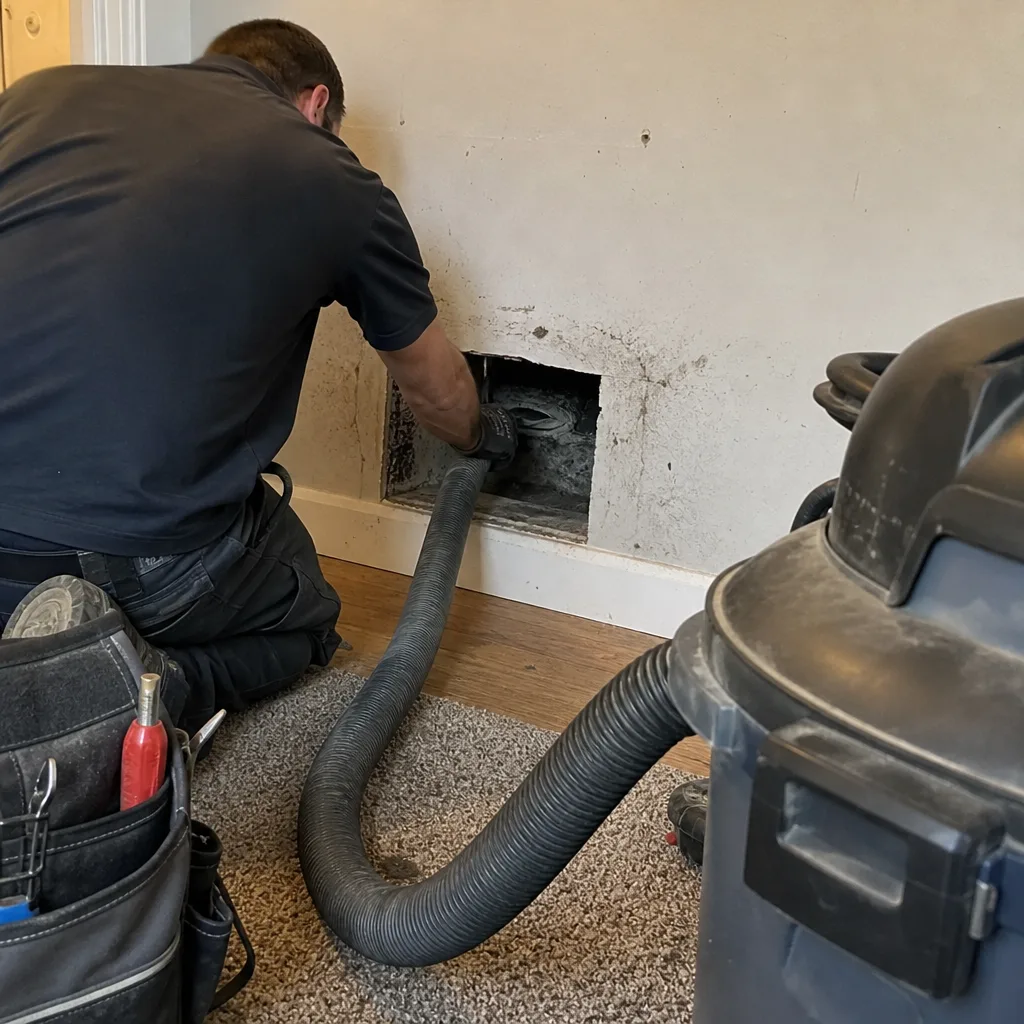
- Before-and-after documentation. Photos of the duct interior before and after cleaning, in the same location, so you can see the difference yourself.
Technicians with the right equipment and training can complete most residential cleanings in a single visit. Our technicians have up to 9 years of experience, and the brand of gear on the van (Rotobrush, Nikro, Abatement Technologies) is the same grade used in professional remediation.
How to Read a Post-Cleaning Verification
Photos are the difference between a cleaning you can trust and one you have to take on faith. But not every before-and-after photo is meaningful. What matters is whether the photos show the same location, at the same angle, at contact-surface level, before and after. Here’s what a verifiable job looks like:
- Same location, matched angle. A photo of one register before and a different register after tells you nothing. The paired shots should clearly show the identical spot in the system.
- Contact-surface view, not just the opening. A photo looking into the register opening shows the surface of the duct, not the wall of it. Insist on shots that show the duct interior wall, where the brush actually does its work.
- Visible absence of the before-layer. If the “before” shot shows a heavy compacted layer on the duct wall, the “after” shot should show bare metal or clean flex lining. “Mostly clean” is not the same as clean.
- Documentation of the air handler. The blower and cabinet shots matter as much as the duct shots, because that’s where airflow problems show up first.
- Pressure and airflow check. A reputable technician runs a quick airflow check at the registers after the job and confirms every room is delivering.
What “clean” actually means: at the contact surface, the duct wall should have no visible accumulation of dust, lint, or biological growth, and the edges where the duct meets the register boot should be free of settled debris. That’s the standard a professional job meets. Anything short of that is surface cleaning.
What Air Duct Cleaning Costs in Tacoma
Air duct cleaning in Tacoma typically runs in the range below. These are estimated prices for whole-system service; the written estimate before work starts is what sets the final price on your job.
- Standard residential air duct cleaning: typically in the range of $300 to $700 for a typical single-family home, depending on number of registers, accessibility, and system layout.
- Air duct cleaning plus HVAC / air handler cleaning: typically in the range of $450 to $900, since the air handler cabinet and blower add real labor and equipment time.
- Dryer vent cleaning (standalone): typically in the range of $100 to $250, depending on run length, number of elbows, and roof or wall termination.
- Duct repair and sealing: priced per job after inspection, because the scope varies significantly from a couple of sealed seams to replacing a run of crushed flex duct.
- Air quality upgrades (filtration and humidity control): priced per installation. A system like a Honeywell or Aprilaire whole-home filter or humidifier is an equipment-plus-install quote, not a cleaning line item.
If a quote is dramatically lower than the range above, ask what’s included. The common bait-and-switch in this trade is a low headline price that covers the registers only, with the air handler, return plenum, and sanitizing sold separately once the technician is on site. One flat price per system, agreed before work starts, is the standard we hold to. If you’re being quoted per-vent, you’re being quoted for a partial job.
For a written estimate on your specific system, call (877) 792-6024. Estimates are free. We answer 24/7. Fast dispatch from 7am to 7pm, Sunday through Friday.
Common Mistakes to Avoid
- Booking on price alone. The cheapest quote in Tacoma is almost always a register-only cleaning. If the price is far below the typical range and there’s no mention of the air handler, return plenum, or negative-air equipment, the job won’t remove the actual contamination.
- Skipping the air handler and return plenum. Half the dust load in a typical home is on the return side and in the blower cabinet. Cleaning only the supply registers leaves the source of the problem untouched.
- Ignoring leaks that cleaning reveals. In older Tacoma ranches with aged duct wrap, cleaning often exposes seams that have opened up over decades. If the technician reports a leak and doesn’t seal it, the cleaned system will just re-contaminate from attic or crawlspace air. Duct repair and sealing is a service that belongs on the same visit.
- Treating sanitizing as a substitute for cleaning. Spraying sanitizer into a dirty duct coats the debris without removing it. Sanitizing is a step that belongs after source removal, not instead of it.
- Forgetting the dryer vent. Dryer vents clog quietly and pose a real fire risk when lint builds up over time. In a wet climate where indoor drying happens often, lint accumulates faster. It’s a separate service and should be scheduled alongside the duct work.
- Accepting “before and after” photos that don’t match. If the before and after shots are of different spots, or both are just the register opening, the photos prove nothing. Ask for the same location, same angle, contact-surface shots.
- Assuming a new filter solves it. A high-MERV filter catches what passes through it; it doesn’t clean what’s already clinging to the duct walls. Filtration upgrades (Aprilaire and Honeywell filter cabinets are common in this region) help between cleanings, but they’re not a replacement for cleaning.
When to Call a Professional
Some duct issues are obvious and some aren’t. Call a professional when you notice a musty or stale smell when the heat or AC first kicks on, when someone in the home has persistent allergy symptoms that clear up when they’re away, when airflow is visibly weaker in some rooms than others, or when you can see visible dust puffing from a register. Call after any major renovation that produced drywall dust, since that fine particulate settles throughout the return side. Call if you haven’t had the system cleaned in five years or more, and call if you’ve just bought a Tacoma home and don’t know its service history. Also call if the dryer is taking longer than it used to; that’s usually a sign the dryer vent needs clearing. Tacoma Air Duct Cleaning Co offers free estimates in Tacoma. Call (877) 792-6024. We answer 24/7. Fast dispatch from 7am to 7pm, Sunday through Friday.
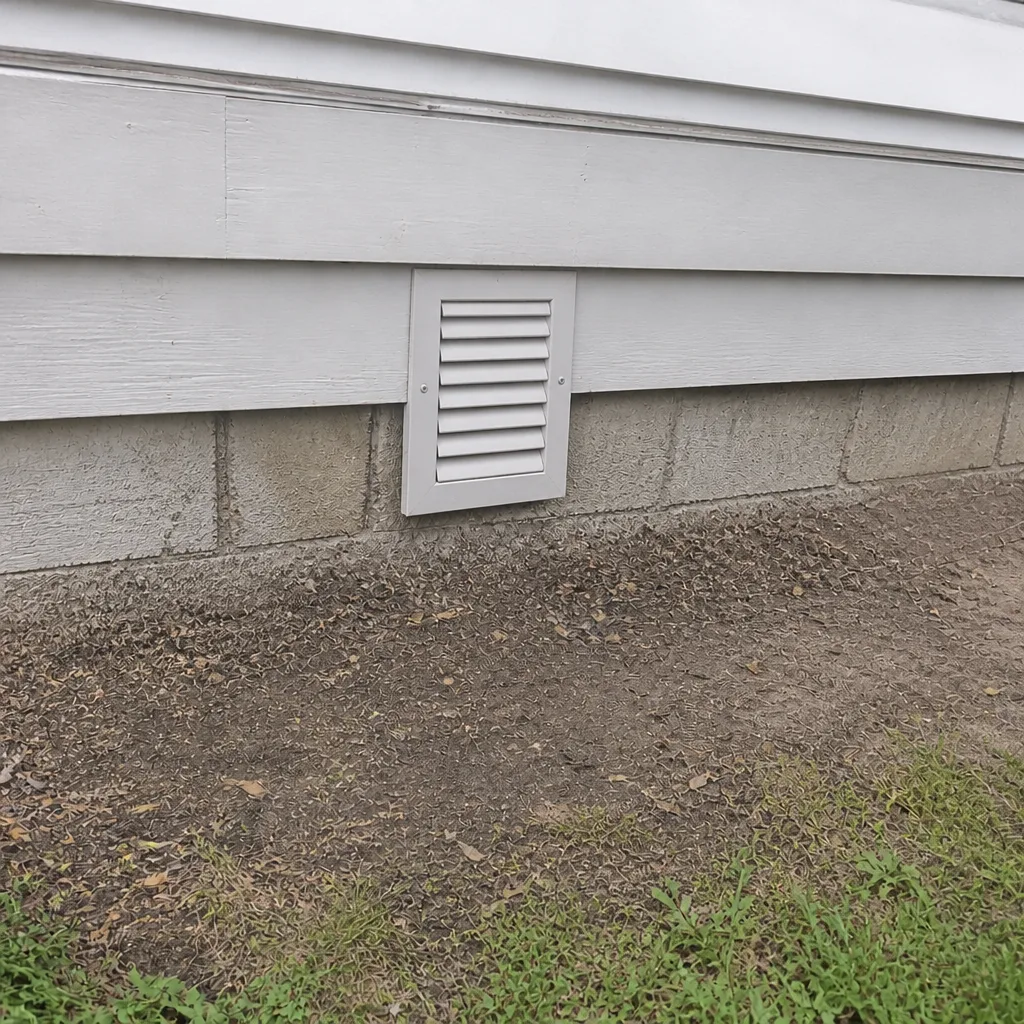
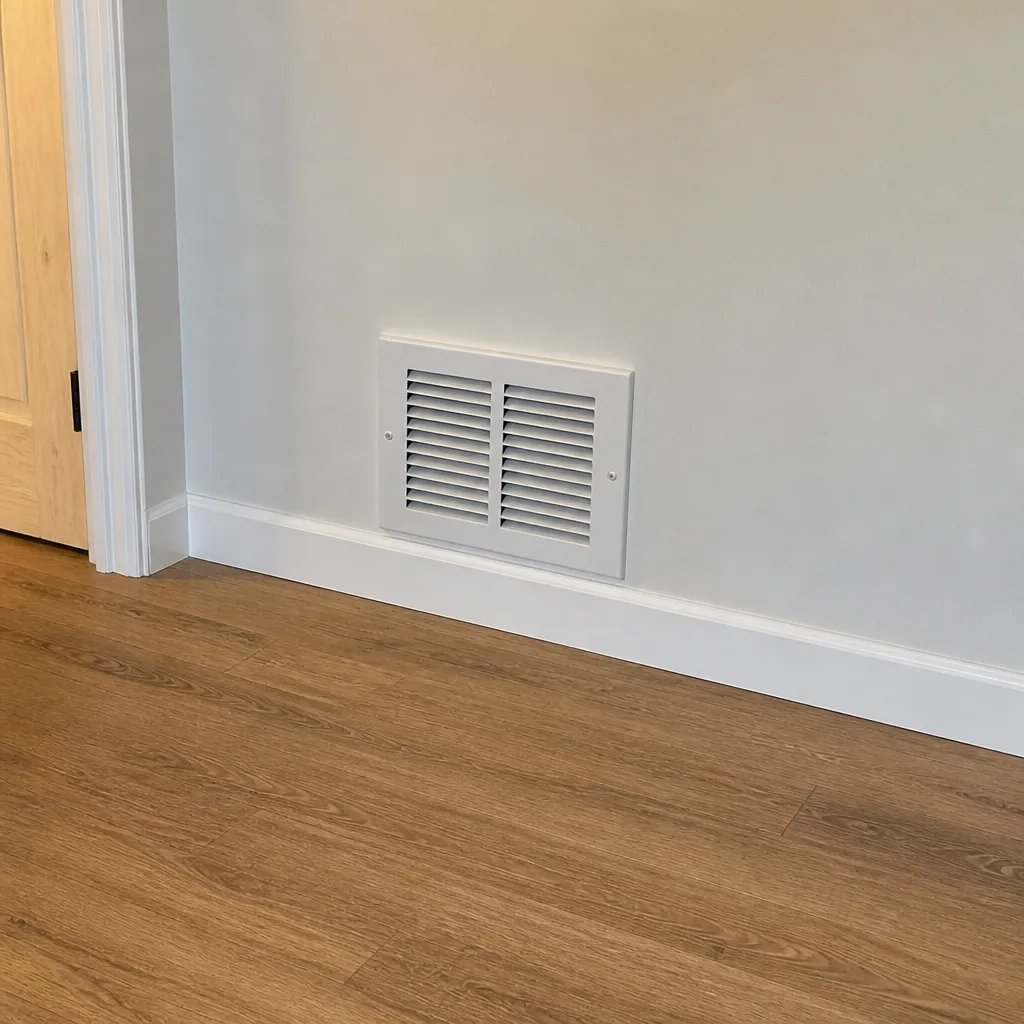
See the difference
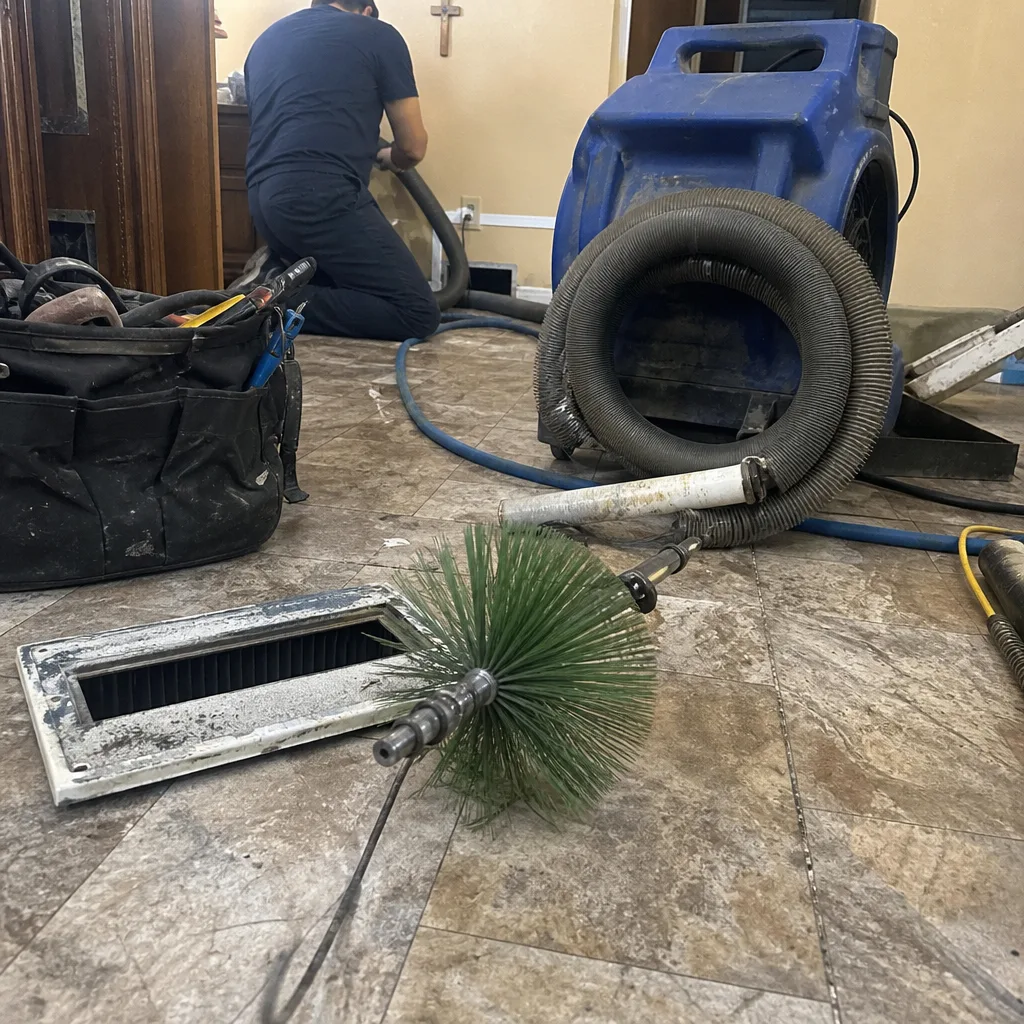 Before
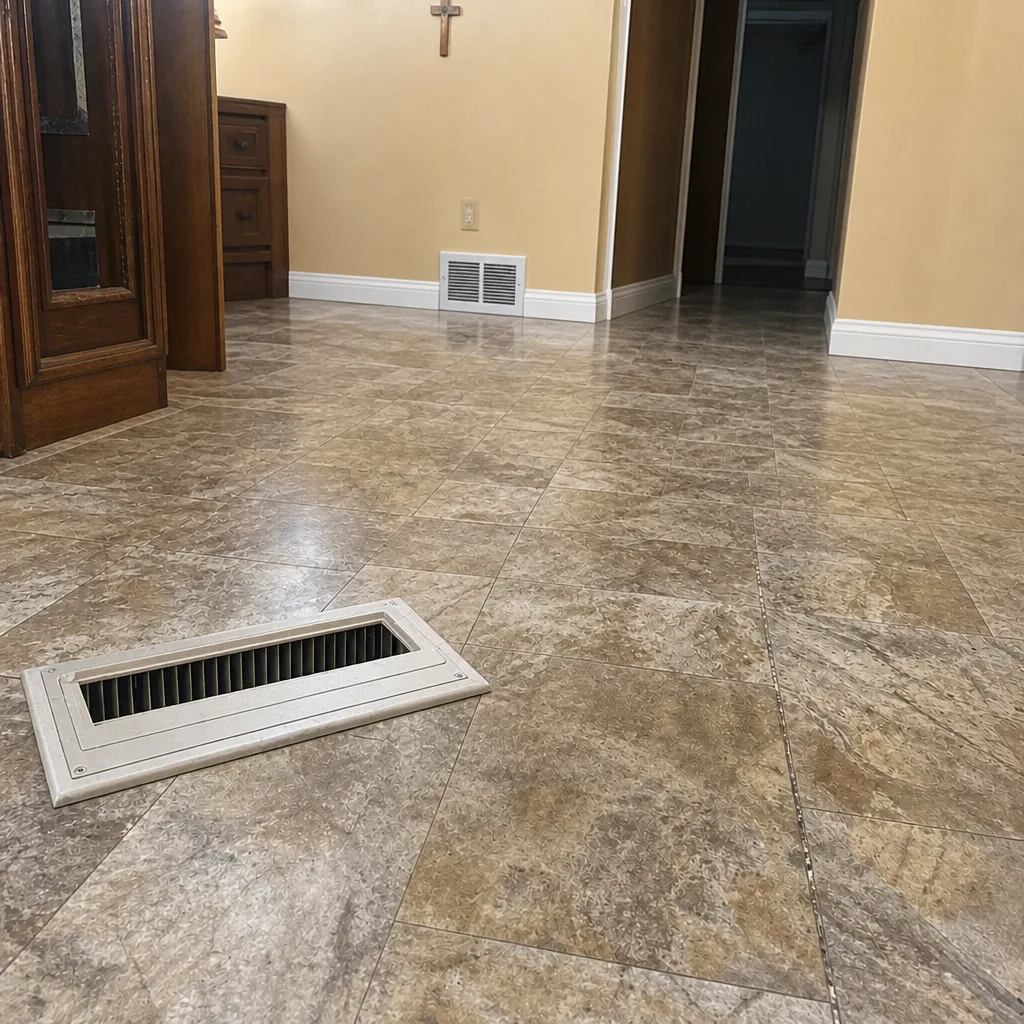 After
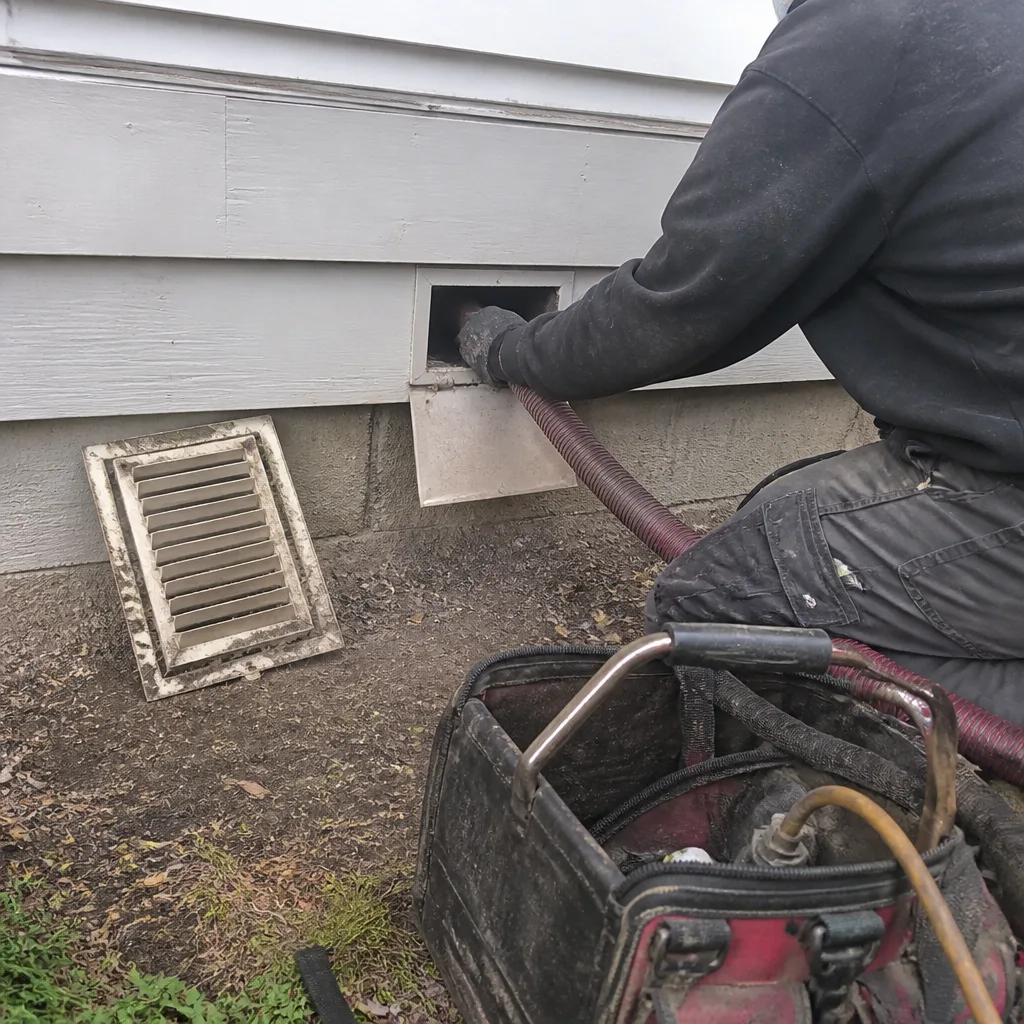 Before
 After
 Before
 After
Frequently Asked Questions
Every three to five years is the general guideline for most Tacoma homes, but the region’s humidity and wildfire smoke seasons can shorten that to every two to three years for homes with pets, allergy sufferers, or recent renovation dust. Homes with a well-maintained high-MERV filter and no pets can often stretch to the longer end. Call (877) 792-6024 for an assessment tailored to your system. Estimates are free.
Typical estimates for a full residential system in Tacoma fall in the $300 to $700 range, with HVAC/air handler cleaning adding to that and dryer vent cleaning quoted separately. Every job is priced per system, not per vent, and the written estimate before work starts sets the final price. Call (877) 792-6024 for an exact quote. Estimates are free.
Because they’re quoting a different job. Low headline prices are almost always for register-only surface cleaning, with the air handler, return plenum, sanitizing, and any repair sold separately once the technician is on site. A full-system cleaning with rotary brush equipment, negative air, and containment costs more because it does more. Call (877) 792-6024 for a written quote you can compare line by line. Estimates are free.
Ask for before-and-after photos of the same location inside the duct, at contact-surface level, plus photos of the air handler cabinet and blower. A reputable technician will also run a post-cleaning airflow check at each register. If a company can’t or won’t document the work, that tells you where the standard sits. Call (877) 792-6024 and ask what documentation is included. Estimates are free.
It can, yes. Prolonged high humidity allows compacted dust inside ductwork to support mold and mildew growth, especially in the return plenum and air handler cabinet where airflow is slower. That’s exactly why source removal has to come before sanitizing: the mold has to be physically removed, then the cleaned surface treated. Call (877) 792-6024 if you smell mustiness when the system starts. Estimates are free.
Often more so than for newer construction. Older Craftsman-era and mid-century ranches have retrofitted or aged ductwork with more seams, tighter runs, and less consistent sealing, which means more opportunity for dust, pest debris, and crawlspace air to enter the system. Cleaning plus leak sealing delivers the most value in these homes. Call (877) 792-6024 to discuss your system. Estimates are free.
The Bottom Line
Duct cleaning in Tacoma isn’t a commodity service, and the region’s climate and housing stock are the reason. Compacted, damp debris requires rotary brush agitation and negative-air capture, not a surface vacuum. Older Craftsman and mid-century homes have ductwork geometry and seam conditions that demand more careful work, and those same conditions often reveal leaks that need sealing on the same visit. Source removal across the full system (supply trunks, return plenums, air handler cabinet, registers, plus the dryer vent) is the standard that actually improves indoor air. Anything less leaves half the job in place. Our team at Tacoma Air Duct Cleaning Co brings the professional-tier equipment to do the full job, and we’ll show you the before-and-after photos so you can verify it yourself.
Get a Free Estimate
Call (877) 792-6024 for a free estimate on air duct cleaning, dryer vent cleaning, HVAC cleaning, duct repair and sealing, or air quality upgrades in your Tacoma home. You’ll get one flat price per system, agreed before work starts, and before-and-after photos of your own ducts when the job is done. We answer 24/7. Fast dispatch from 7am to 7pm, Sunday through Friday.
Written by the team at Tacoma Air Duct Cleaning Co.