
Last updated November 23, 2026
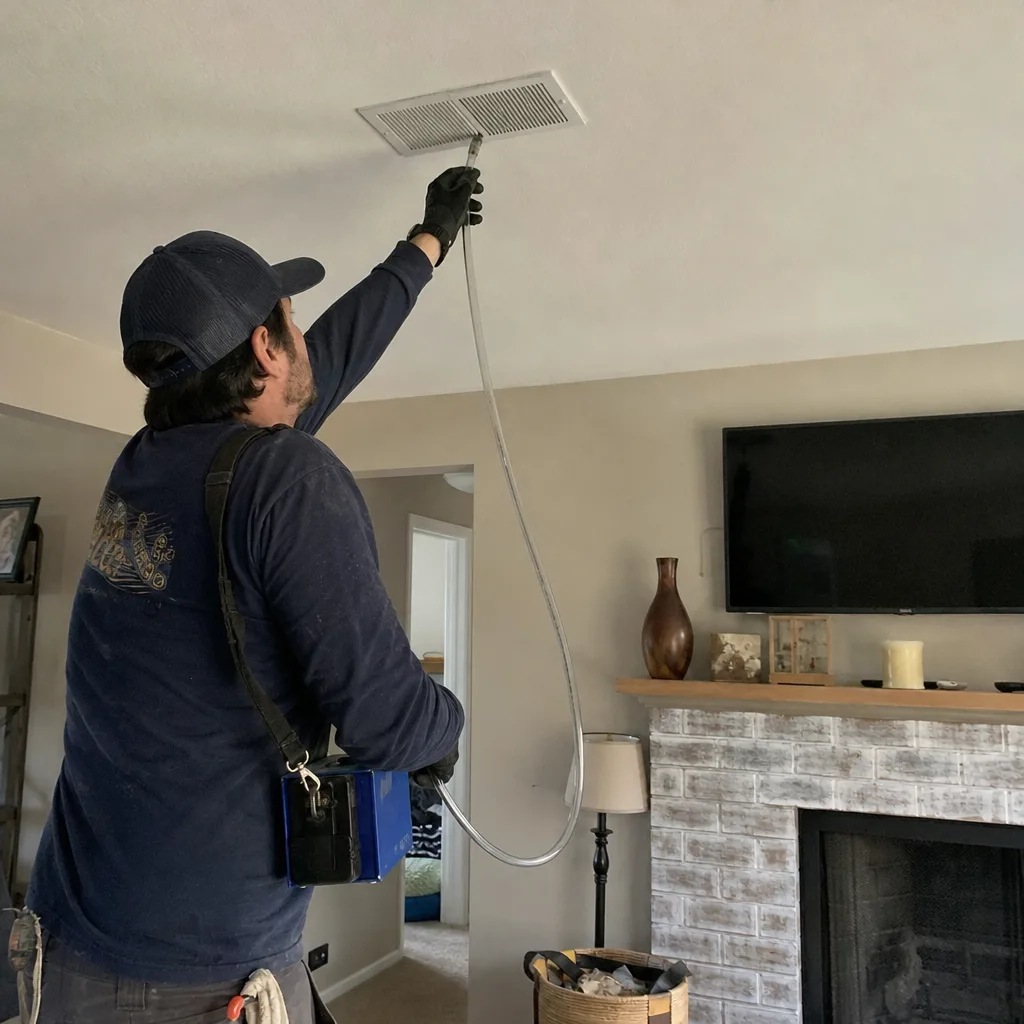
 Whole-home duct cleaning
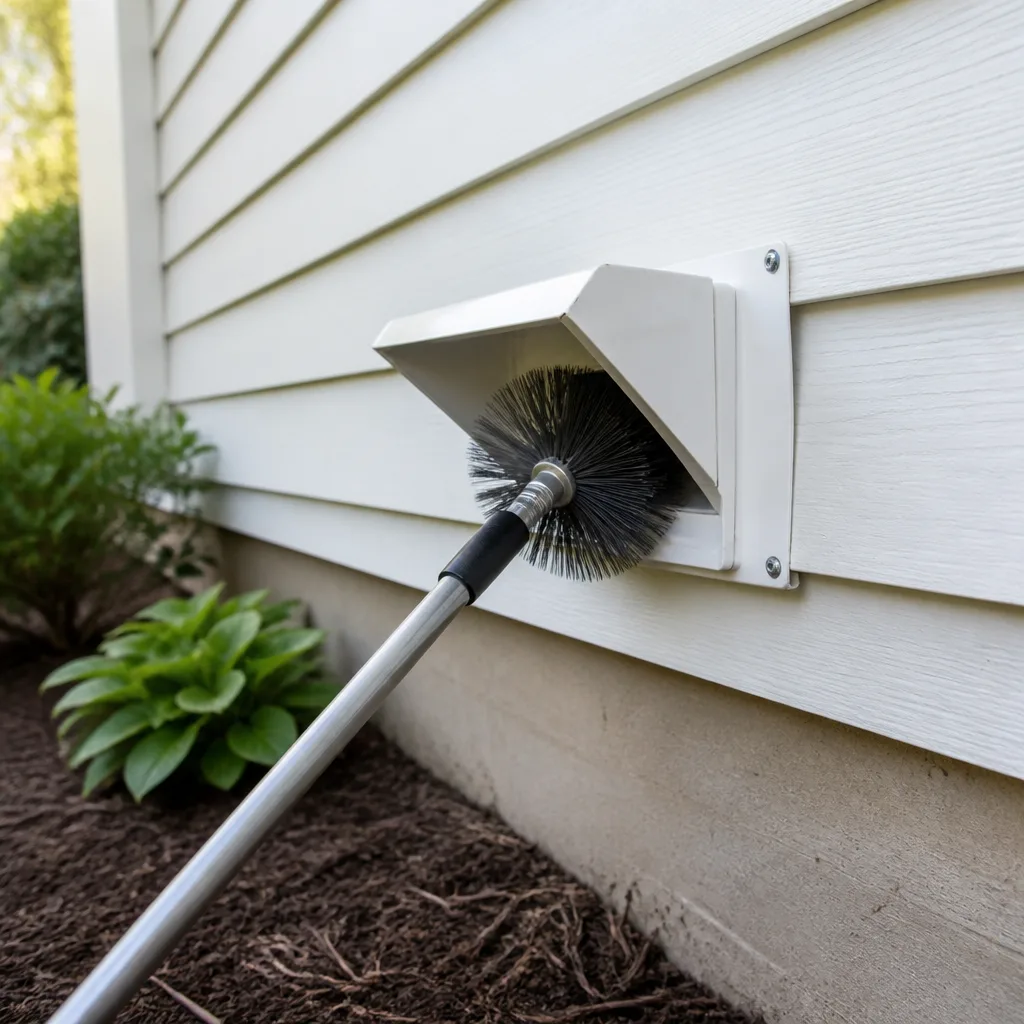 Dryer vent cleaning
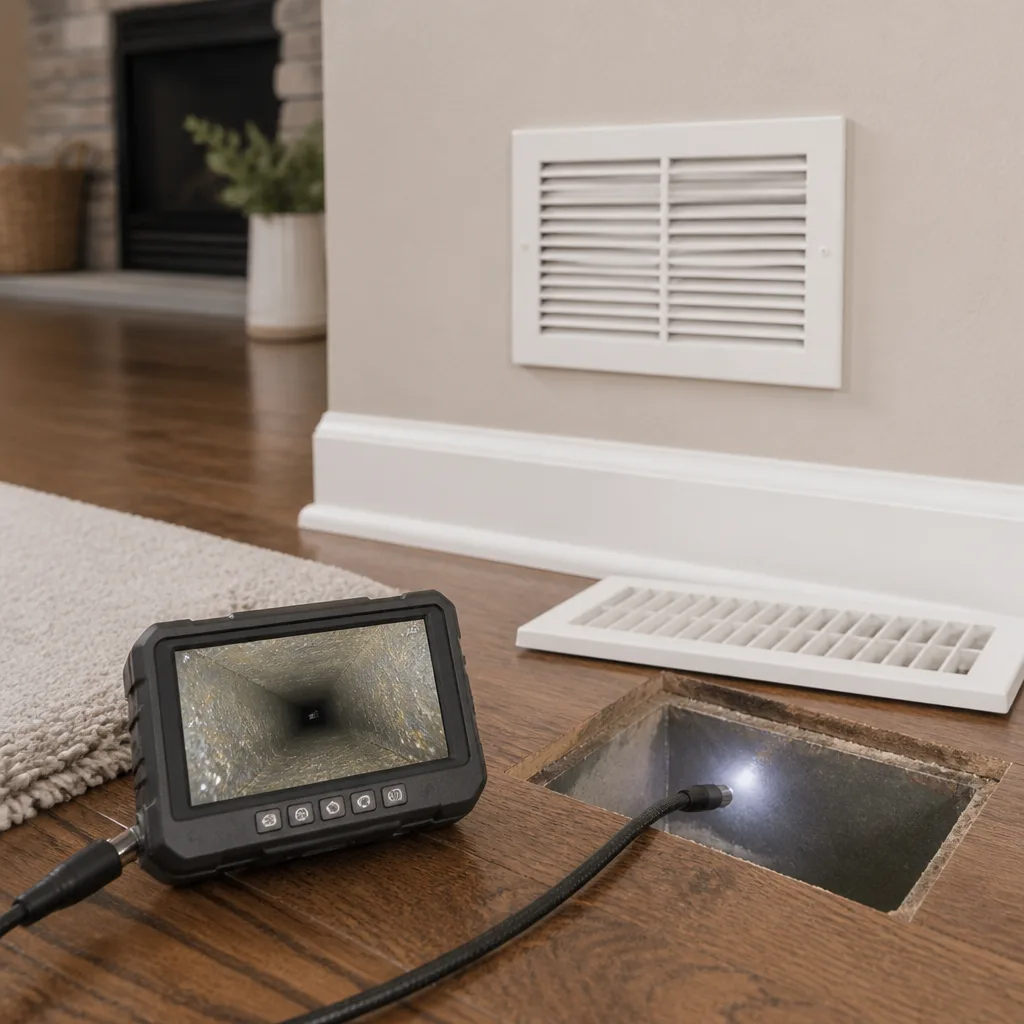 Camera inspection
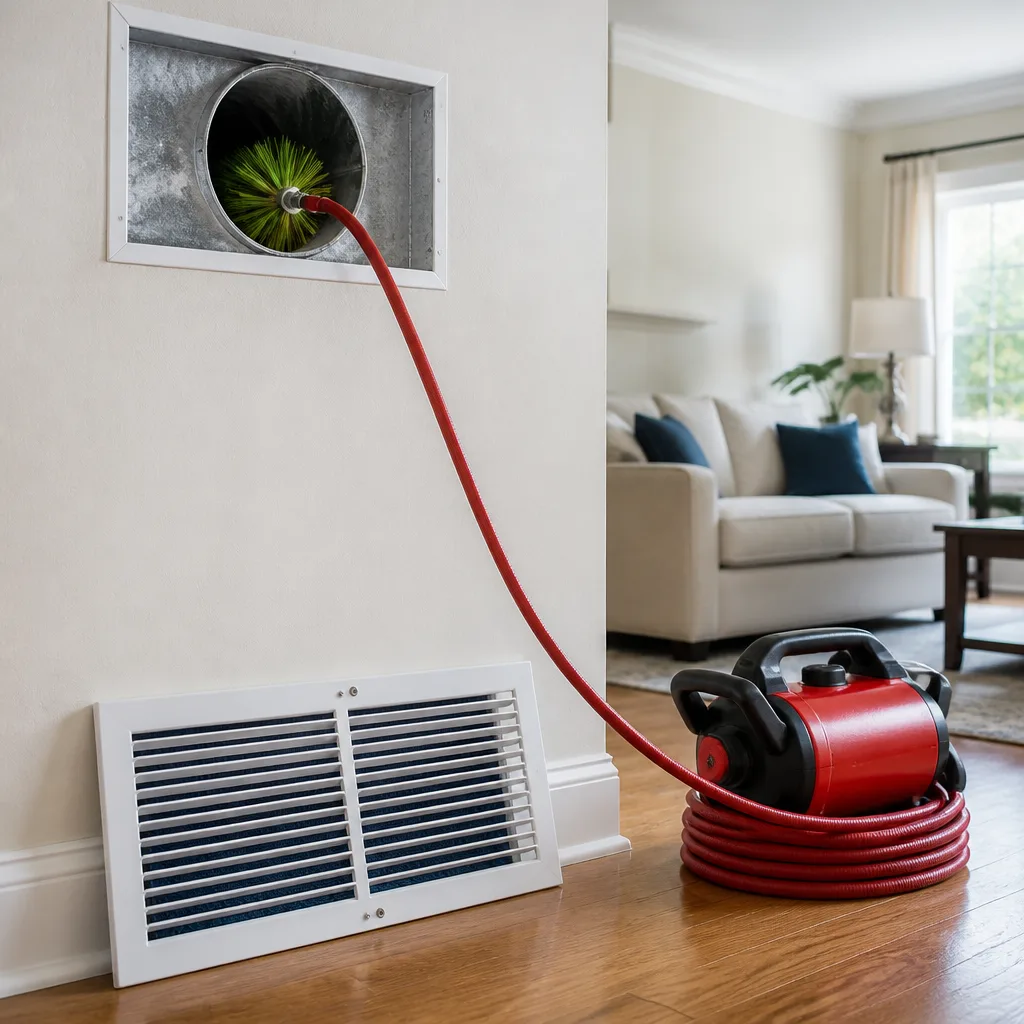 Sanitizing & deodorizing
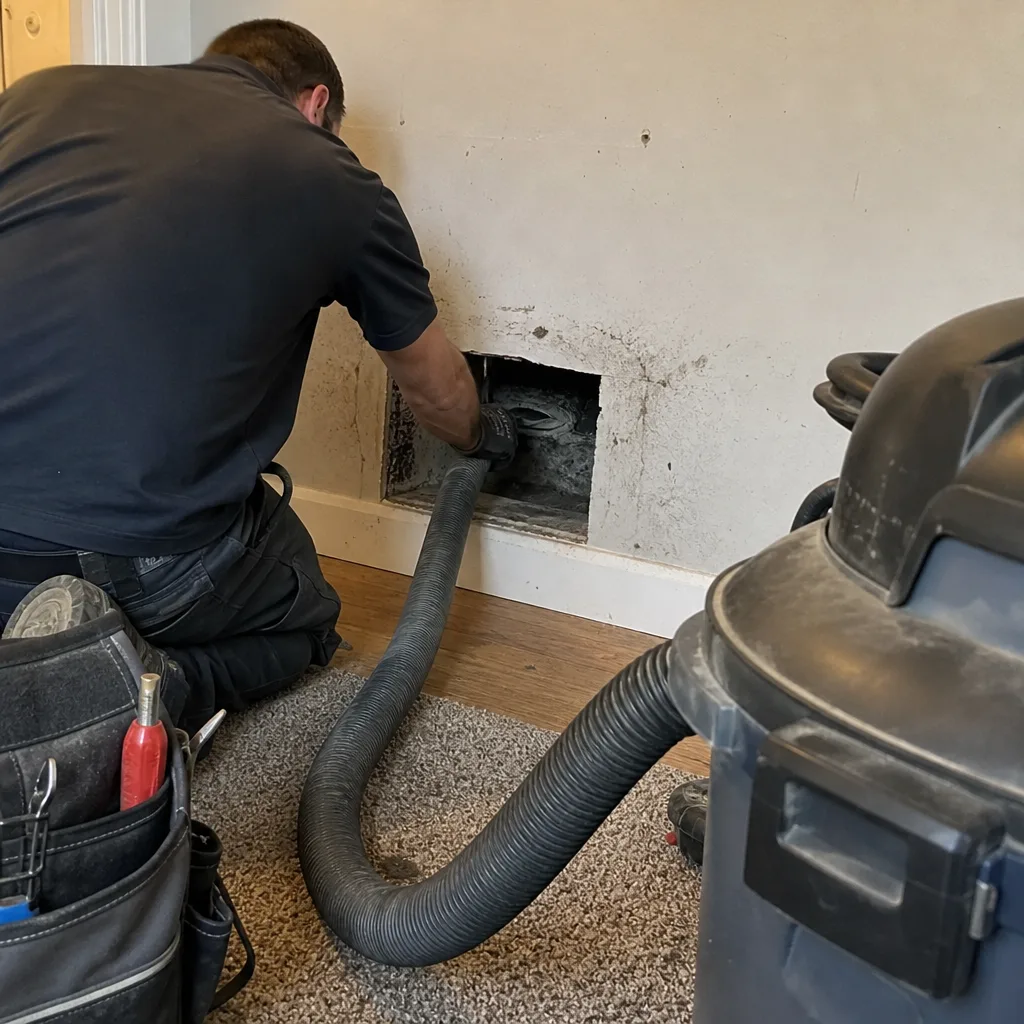
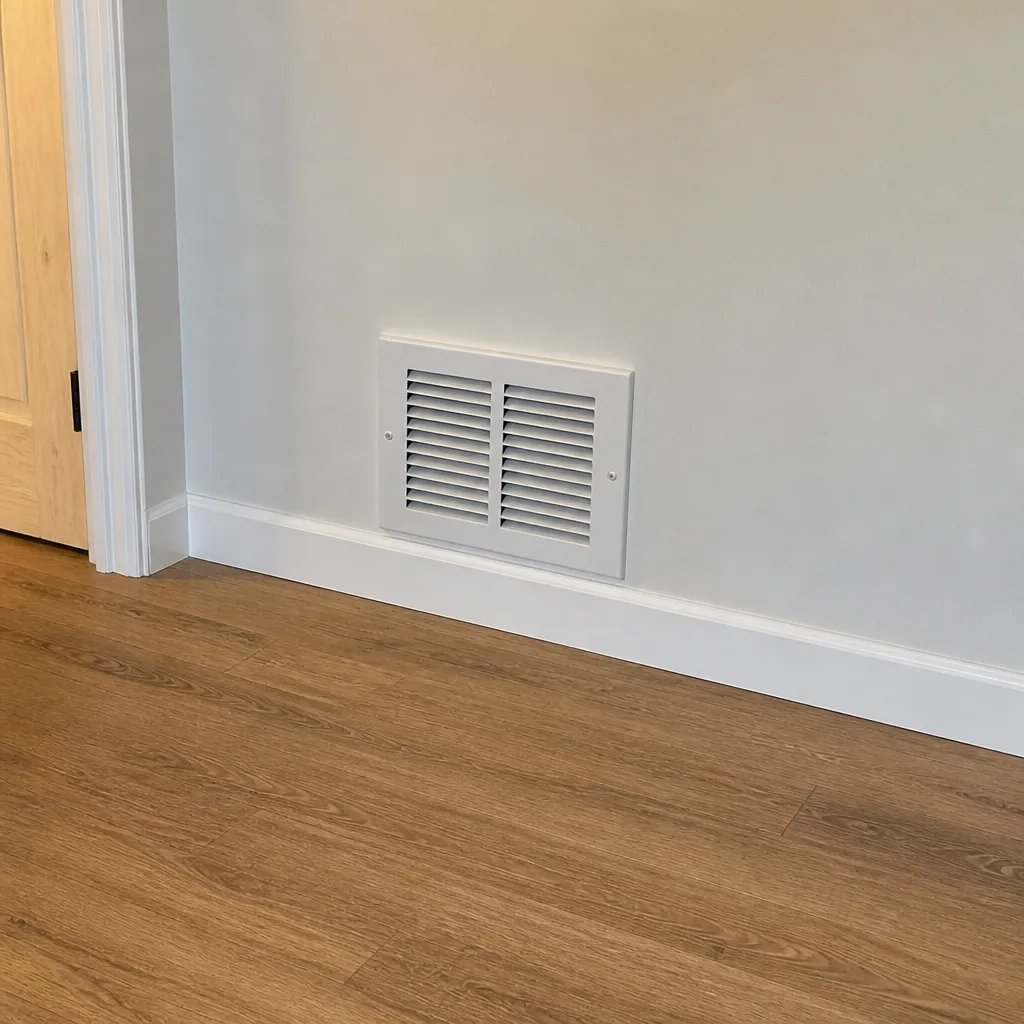
Whole-system duct and dryer vent check with before-and-after photos - you see exactly what came out of your vents
That "$99 whole-house special" is a bait ad - the real number appears once they are in your hallway, or the "clean" is a shop-vac at the register. We photograph the inside of your ducts before and after instead.
Seasonal Air Duct Cleaning Care for Tacoma: Year-Round Homeowner’s Guide
Most homeowners treat duct cleaning like an oil change: pick a date, repeat every few years, forget about it. That schedule ignores what actually fills your ducts. In Tacoma, the air that reaches your system changes character several times a year. Spring construction and pollen load the return side. Summer wildfire smoke from eastern Washington arrives in August and September and gets pulled into your supply air for weeks. Winter heating cycles bake whatever settled all year into the lining. Cleaning once on a generic timeline means you address a year’s worth of buildup at the wrong moment. This guide breaks down what each Tacoma season demands: when to clean, when to leave it alone, and what to check between cleanings.
Quick Answer
In Tacoma, the highest-value window for air duct cleaning is fall, right after wildfire season ends and before the furnace runs hard. Spring is for assessment: filters, registers, and crawl space moisture. Summer is about smoke prep, and winter is for monitoring what your registers tell you. A two-year rolling calendar matched to this pattern beats a generic every-three-years rule every time.
Styles & brands we work with
- Whole-home duct cleaning
- Dryer vent cleaning
- Camera inspection
- Sanitizing & deodorizing
Table of Contents
- Why Seasonal Timing Beats Annual Reminders
- Fall: Tacoma’s Highest-Value Cleaning Window
- Spring: Filter Changes, Register Checks, and Crawl Space Moisture
- Summer: Preparing for Wildfire Smoke
- Winter: Reading Your Registers, Sounds and Smells
- Filter Strategy: What to Run in Each Season
- Building a Two-Year Rolling Maintenance Calendar
- What Professional Equipment Actually Changes
Why Seasonal Timing Beats Annual Reminders
Duct contamination isn’t a steady drip. It’s episodic. Your system loads up during specific events: a summer smoke event pushes fine particulate into the return, construction season kicks drywall dust and sawdust into every sink and register, and the first weeks of heating season move that accumulated load through the whole system at once. Cleaning a month before a smoke event means re-cleaning the following spring. Cleaning a month after is wasted effort you could have avoided with a seasonal check.
If all you’ve ever done is schedule cleaning when someone sent a reminder card, you’ve probably been working on the wrong rhythm. Does this mean you should clean every year? No. Most homes in Tacoma don’t need that. The right schedule is closer to every two years for homes near active construction, older ductwork, or pets, with lighter use on newer systems on a clean-air lot. The question isn’t how often; it’s when within that window.
- Episodic loading: smoke events, construction phases, and spring pollen are the main drivers of buildup, not steady accumulation.
- Furnace amplification: the first weeks of heating season push the year’s accumulation into living space, especially if the system sat idle through summer.
- Moisture timing: crawl space humidity peaks after our wet spring, setting up conditions where any settled debris can support mold growth.
- Cleaner cost variance: a system with two years of debris needs a straightforward cleaning; a system with eight years needs the same work but longer, with more equipment time.
If your Tacoma home is on the older side, with original round-pipe or early rectangular ductwork, timing matters even more. Older joints leak. Leaks pull attic or crawl space air into the system. That means the contamination you schedule your cleaning around isn’t just what your supply grilles pull in; it’s what your ducts are quietly inhaling through their own seams. Cleaning on a seasonal schedule without sealing those seams means you’ll be cleaning the same air again next year. air duct cleaning is where most homeowners start, but it works best when it’s paired with a seal.
Fall: Tacoma’s Highest-Value Cleaning Window
If you schedule one cleaning, schedule it for fall. That’s the window where cleaning pays for itself twice. First, you’re removing whatever reached your ducts during the August-September smoke season, before you spend the next five months blowing it through the house. Second, you’re cleaning before the furnace earns its keep, so the first heating cycle of the year doesn’t push six months of settled particulate into living space in one afternoon. The window is roughly October into early November, ahead of the first sustained heating pushes.
Why not spring? Spring cleaning addresses the previous winter’s accumulation but ignores the big summer loading event that follows. Fall cleaning closes that loop. In our experience in Tacoma, homeowners who clean in fall and then again two years later see noticeably less debris than those on a spring-clean cycle, because spring cleaning is always followed by the load they don’t see.
What fall cleaning looks like on a real job:
- Negative air setup. A Nikro negative-air machine anchors to the main trunk, creating suction that captures loosened debris rather than letting it settle back or exhaust into living space. This is contamination-control practice borrowed from remediation work, not a shop vac scene.
- Rotary brush through each branch. A Rotobrush rotary brush gets into the corners of rectangular ducting where a wand can’t reach. It’s the reason we use it: surface cleaning blows past the debris packed along the duct lining.
- Register and grille removal. Each supply register comes off, cleaned separately, and checked for rust or dust shadowing around the edges, which often indicates a loose boot-to-duct connection.
- Seal check. Any duct joints, boot connections, or plenum transitions showing gaps get flagged and addressed in the same visit. Clean ducts are only as good as sealed ducts.
- Optional sanitizing. For homes with musty odor carryover, an air quality and sanitizing pass finishes the job while the system is open.
Fall is also when we recommend throwing in HVAC cleaning on the air handler and coil. The furnace has just finished cooling season and is about to start heating season. Cleaning both at once makes sense because the equipment is already open. If you’ve been putting off a full indoor-air project, fall is the calendar moment to do it.
Spring: Filter Changes, Register Checks, and Crawl Space Moisture
Spring isn’t a cleaning season in Tacoma. It’s an assessment season. Three actions matter, and none of them involve calling anyone.
1. Post-heating-season filter assessment
The filter you ran through winter has just worked its hardest five months. Pull it and hold it up to light. If you can’t see through it, replace it. If it’s grey but still translucent, you’re probably still within tolerance for a few weeks, but don’t stretch it. Filter performance drops off sharply past loading, and a clogged filter makes every other duct cleaning effort less effective. Note the MERV rating printed on the old filter; if it was below MERV 8, plan to step up for summer.
2. Register inspection for condensation
Walk the house and look at each register from inside. Spring condensation shows up as water stains, dark spots, or a faint rust bloom on the metal frame. Tougher to spot on painted registers; run a paper towel across the interior edge and look for damp. Registers in bedrooms and bathrooms are the usual suspects. Condensation means warm air is meeting a cold duct surface somewhere behind the grille, which usually points at a missing sleeve or a boot that’s come loose from the duct run.
3. Crawl space moisture check
Here’s the one most homeowners skip. If your ducts run through a crawl space, and most of Tacoma’s older housing stock has some crawl space run, then crawl space humidity is a duct problem. Spring is the wettest part of our year. Check for standing water, damp soil against the foundation, or a plastic vapor barrier that’s torn or pulled back. Moisture in the crawl space drives condensation on cold duct surfaces, and condensation on duct surfaces is the setup condition for mold in the system. If the crawl space smells earthy or sour, that’s a duct inspection trigger.
If any of these three spring checks turns up a problem, air duct cleaning or a duct repair visit addresses it before summer smoke season starts pulling air through the system. Spring is the quiet month in the air quality calendar. Use it.
Summer: Preparing for Wildfire Smoke
Eastern Washington wildfire smoke that reaches Tacoma in August and September doesn’t stay outside. A forced-air system running with an ordinary filter recirculates fine particulate through the whole house for weeks. Smoke that a closed window keeps down to a moderate intrusion becomes a continuous exposure once the system pulls it into the return and cycles it. Summer prep is real work, and it happens in June and July, before the first smoke forecast.
Pre-season filter upgrades
Filter ratings matter here. MERV 8 is your baseline: it catches the larger smoke particles and most pollen but leaves fine PM2.5 (the fraction that reaches deep into lung tissue) circulating. MERV 11 to 13 catches meaningfully more of that fine fraction. MERV 14+ starts restricting airflow on standard residential blowers and can cause furnace or coil issues unless the system was designed for it. Don’t skip straight to the highest rating; check that your air handler can handle the static pressure. If you’re not sure, ask before installing. An underpowered blower with an airtight filter is worse than a moderate filter with good airflow.
What to do if AQI exceeds 150 during system runtime
- Close the outdoor air intake if your system has one. Many Tacoma homes with dedicated ventilation systems can shut the outdoor damper. Doing so cuts the smoke feed.
- Switch the fan to continuous or auto-recirc. Continuous circulation keeps filtration working; just run it with the windows closed.
- Change the filter at the end of the event. A smoke event loads the filter fast. Don’t wait for the regular cycle.
- Book a cleaning once smoke season is over. This is where fall cleaning closes the loop. The debris that got past the filter is in the duct lining now. It won’t leave on its own.
Homes with active allergy sufferers often benefit from a step beyond cleaning: a Honeywell or Aprilaire whole-home filtration unit installed at the air handler. That gets you filtration at the system level, working through every room in the house, rather than relying on a portable unit in one room. It’s not a cleaning replacement. It’s what you install after cleaning if your household is sensitive to smoke season.
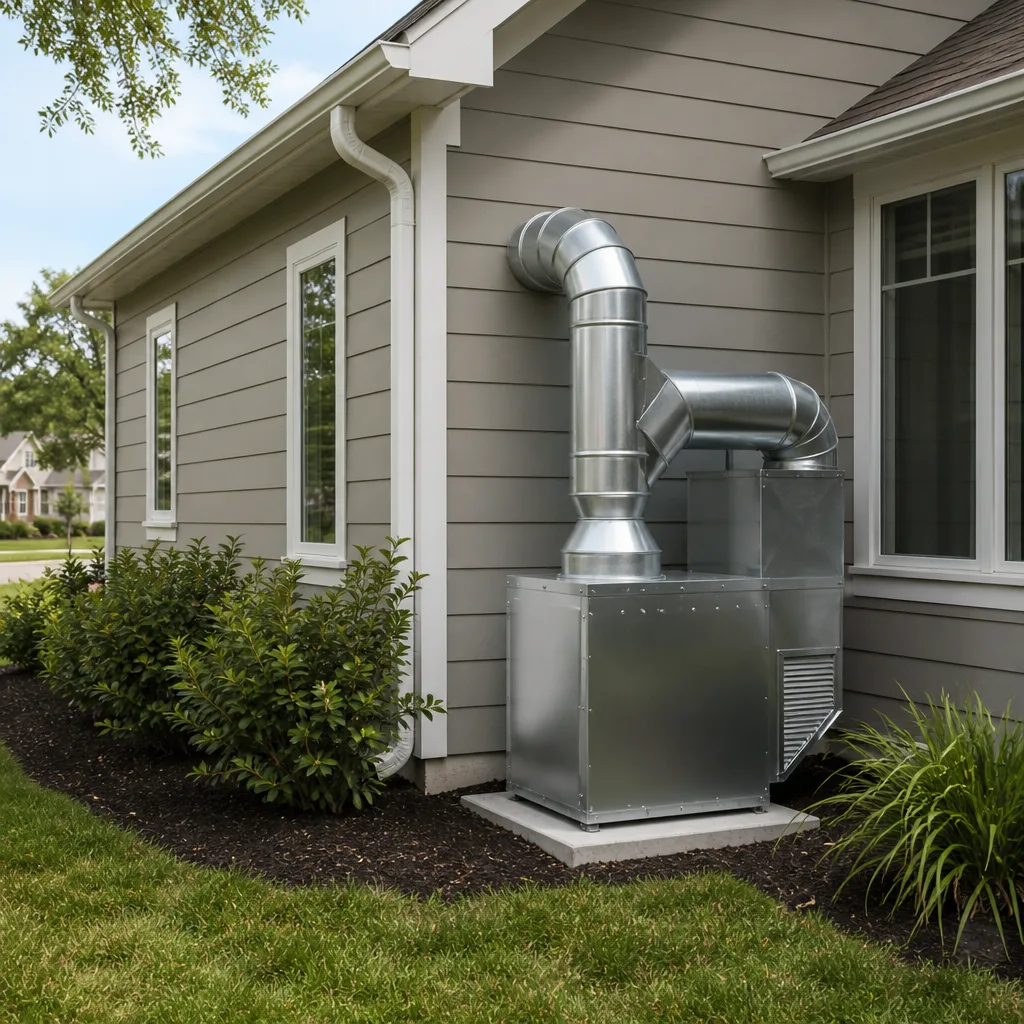
Dryer vents are the summer chore most homeowners don’t connect to air quality. A packed lint trap in the vent line isn’t just a fire risk; it’s a source of heat and moisture that finds the back of your laundry closet. dryer vent cleaning as a standalone visit is quick and catches a risk that compounds quietly through the summer laundry season.
Winter: Reading Your Registers, Sounds and Smells
The first few weeks of heating season are diagnostic. Your system has sat mostly quiet through fall, then started pushing heated air through every branch of ducting. Whatever’s in there moves now, and it moves audibly and visibly. Not every signal is a problem. Here’s how to tell which is which.
Sounds that are normal at startup
- A brief tick as the ductwork warms. Metal expands as heated air moves through it. Ticking in the first ten minutes of a heating cycle is thermal expansion, not a duct problem.
- Low whoosh at registers. Airflow through a diffuser always makes some sound. A steady whoosh that doesn’t change is fine.
- Occasional pop from the heat exchanger. Normal on startup.
Sounds that aren’t
- Rattling or buzzing from a branch duct when the fan runs. Usually a loose duct connection or a damper that’s come out of position. Worth a duct repair inspection.
- Whistling at a register. Pressure drop at that point; could mean a partially sealed or crushed duct upstream.
- Popping or clicking that repeats through the cycle. Could be duct metal flexing at a joint that’s loose. Also worth checking.
Smells to track
- Dusty smell in the first hour of the heating season. Normal: the first cycle of the year bakes off summer. It should dissipate within an hour or two.
- Dusty smell that persists past the first week. Not normal. This is the signature of settled debris in the return or duct lining moving every cycle. Winter cleaning is worth scheduling if this reaches you in January.
- Musty or earthy smell. Moisture somewhere in the system, likely a crawl space duct run that’s picked up condensation. Need a duct inspection before the moisture compounds with heating load.
- Electrical or burning smell. Cut the system off and call a technician. Never ignore this one.
Winter is when we most often hear the “something changed with my system this year” call. Usually it’s a silent accumulation finally reaching the threshold where it’s noticeable. If you smell something dusty from your registers past the middle of January, schedule a cleaning now rather than waiting for spring. Sitting on it through February and March just means more heating cycles pushing the same load.
Filter Strategy: What to Run in Each Season
The right filter for August is a different filter than the right filter for November. Treat filter choice as seasonal, not permanent.
| Season | Suggested MERV | Why |
|---|---|---|
| Spring (Mar-May) | MERV 8 to 11 | Catches pollen and construction dust from spring remodeling season. |
| Summer (Jun-Sep) | MERV 11 to 13 | Extra fine-fraction capture for wildfire smoke; change mid-event if the filter loads visibly. |
| Fall (Oct-Nov) | MERV 8 to 11 | Recent cleaning means less load on the filter; use a moderate rating to keep airflow clean. |
| Winter (Dec-Feb) | MERV 8 to 11 | Heating season pushes a lot of air; don’t restrict the blower. |
Two things to note. First, these are starting points. If your system was designed for a higher static pressure than a 1-inch MERV 8 filter, you can run higher ratings year-round; check the air handler spec first. Second, filter cost is small next to duct cleaning cost. Don’t try to solve a duct problem with a filter. The filter catches what’s in the air; it can’t clean what’s already settled in the lining.
If your home has a whole-home filtration or humidity-control unit installed at the air handler (from Aprilaire or Honeywell), your filter schedule changes to match that unit’s specs. Those systems have their own media filter cartridges (often rated around MERV 11 to 13 or higher), and their replacement schedule should be followed instead of the generic 1-inch table above. Installed filtration is a real step up for smoke season, but it works on top of a clean system, not in place of one.
Building a Two-Year Rolling Maintenance Calendar
The generic advice you see everywhere (“clean your ducts every three to five years”) treats duct contamination as a slow, even accumulation. It isn’t in Tacoma. Here’s a two-year calendar mapped to our actual seasonal pattern. Print it, save this section, and use it as your own.
Year 1
- March: Pull and inspect the winter filter. Replace if loaded. Walk registers for condensation or rust. Check crawl space for moisture or a torn vapor barrier.
- April-May: If construction or remodeling is happening on your block or in your home, this is when you’ll see the biggest dander and drywall dust loading. Register grilles can be temporarily taped over during active demolition.
- June: Step the filter up to MERV 11-13 ahead of smoke season. If you don’t have a whole-home filtration system and are considering one, install now before the first event.
- July-August: Monitor AQI. Close outdoor air intake if you have one during events above 150. Change the filter at the end of any extended event.
- October: Schedule the year’s cleaning. Fall is the window. Have the ducts cleaned, the HVAC unit checked, and any leaking joints you’ve noticed sealed in the same visit.
- November: First week of heating. Listen to sounds. Note any persistent musty or dusty smell that lasts more than a week. Those are your winter diagnostic cues for the following year.
Year 2 (and beyond, on a rolling basis)
- March: Repeat spring assessment. If any winter smell was noted in Year 1, that’s your signal to move cleaning up.
- June: Filter step-up to MERV 11-13 for summer smoke season.
- October: Second cleaning, on the two-year cycle. If you had heavy summer smoke (multiple extended events above AQI 150), consider moving to annual for that year only. Duct cleaning needs are event-driven.
The reason this calendar beats the generic one: it accounts for the specific months when the load changes. In Tacoma, our biggest single contamination source is summer smoke; our second is spring construction season. Both loading events fall before the fall cleaning window. If you clean in fall, you close the loop each cycle. If you clean in March, you clean off the last winter’s load and immediately start pulling this year’s in.
Adjustments to consider for your specific home:
- Pets in the house: Consider shortening to 18 months instead of two years.
- Older ductwork (pre-1990): Add an annual duct inspection to the calendar; older joints leak more and lose more into crawl and attic.
- Recent remodeling: Schedule a post-remodel cleaning 2-3 weeks after dust settles. This is the single highest-value cleaning you’ll ever have done.
- Frequent wildfire smoke exposure: Run annual cleaning the year of a heavy event, then back to two-year.
What Professional Equipment Actually Changes
Honest conversation: why does equipment matter for duct cleaning? A shop vac and a hose can pull loose debris from the open end of a duct. It cannot reach the packed debris along the duct lining, in the corners of rectangular runs, or in the offshoots behind your supply boots. Professional duct cleaning is a different operation.
- Rotobrush rotary brush systems. A spinning brush head feeds through the duct to agitate debris off the duct walls. This is what gets the packed, adhered material, not the loose material a vacuum alone catches.
- Nikro negative-air machines. A high-volume HEPA-filtered vacuum attached to the trunk line creates continuous negative pressure throughout the system while the brush works each branch. Debris goes into the machine, not back into your living space.
- Abatement Technologies equipment. Contamination-control gear borrowed from the remediation world. That’s the standard we work to: not “surface clean” but “source controlled.”
- Honeywell and Aprilaire integration. When cleaning reveals a home that needs whole-home filtration or humidity control, those products install at the air handler in the same visit. You don’t come back with a different contractor for the upgrade.
Two more pieces worth knowing. Duct repair and sealing is a named service we offer separately from cleaning, because it’s what cleaning often reveals: a joint that’s come loose, a boot that’s lost its seal, a return that’s been pulling attic air for years. Cleaning without sealing means the system re-loads itself through its own leaks. And the full scope (air duct, dryer vent, HVAC, sanitizing) is available in one visit. If you’ve been coordinating three contractors for a full indoor-air refresh, that stops here.
We bring Rotobrush, Nikro, and Abatement Technologies to every job. Not to pad the invoice: to do the work that basic equipment can’t. Our technicians have up to 9 years of experience, and the equipment difference is what makes those years count.
Common Mistakes to Avoid
- Cleaning in spring to get ahead of pollen. Spring cleaning addresses last winter’s load and immediately returns to a summer load from smoke season. Fall is where the loop closes in Tacoma, and cleaning twice in two years beats cleaning once with better timing.
- Running a MERV 14 filter without checking blower capacity. A high-MERV filter starves the blower and can damage the coil. MERV 11-13 is a realistic range for most Tacoma homes; MERV 14 and up needs the system spec’d for it.
- Treating filter changes as the whole air quality plan. A filter catches what’s in the air. It can’t clean what’s already settled in the duct lining. Those are different problems, and the filter is the small part of the solution.
- Ignoring the crawl space. Old housing stock in Tacoma often has ducts running through the crawl. A vapor barrier failure in March means condensation on duct surfaces in April, mold in May. A crawl space you never check undermines any cleaning you pay for.
- Hiring on price alone, without asking what equipment will be on site. If the answer isn’t specific (rotary brush, negative air, HEPA), it’s a shop vac and a hose. That’s not duct cleaning; it’s a surface wipe. You’ll be back in a year.
- Cleaning on a fixed calendar rather than the seasonal pattern. The generic “every three to five years” advice misses the load events. Two years with fall timing outperforms three years with arbitrary timing every time.
- Skipping the drying vent during the duct visit. Whole-system cleaning including dryer vent cost less combined than three separate visits for air duct, dryer vent, and HVAC. And a dryer vent is a fire risk that builds quietly regardless of your cleaning schedule on the ducts.
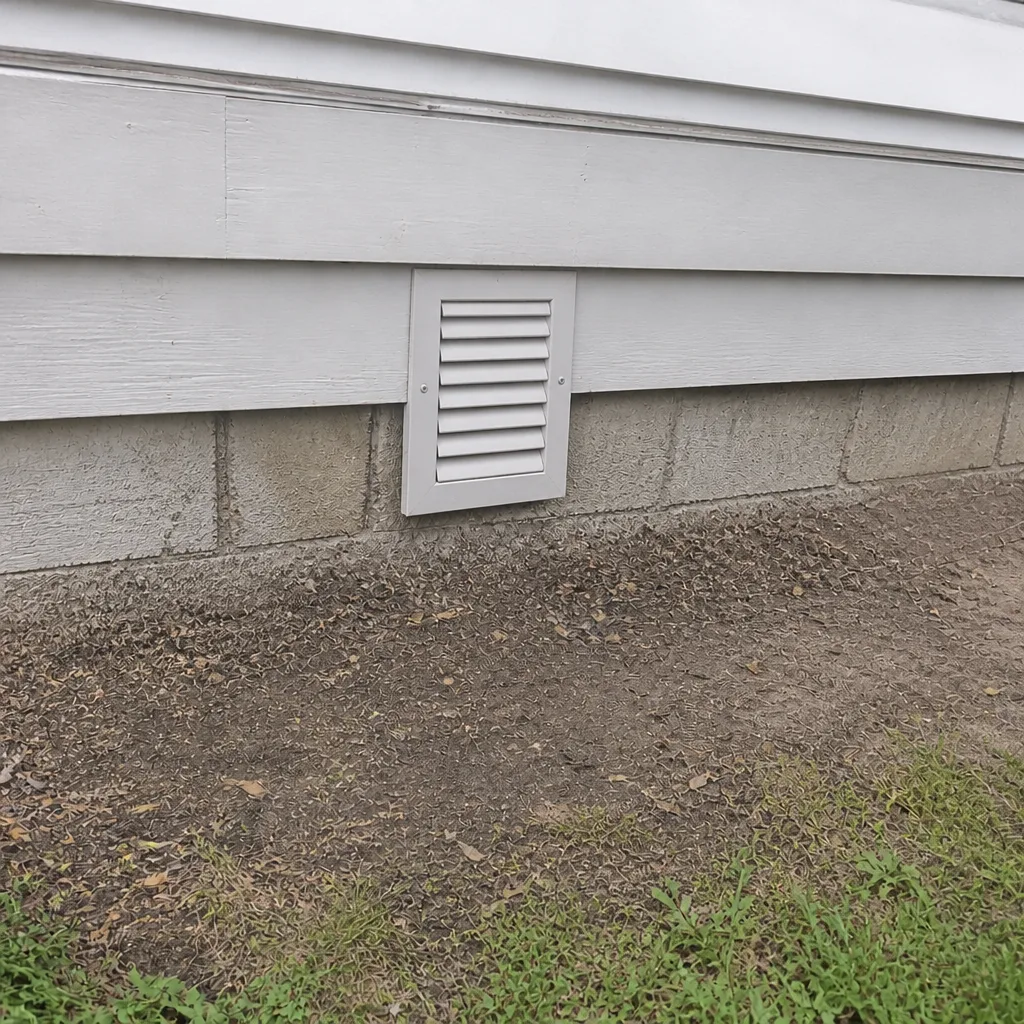
See the difference
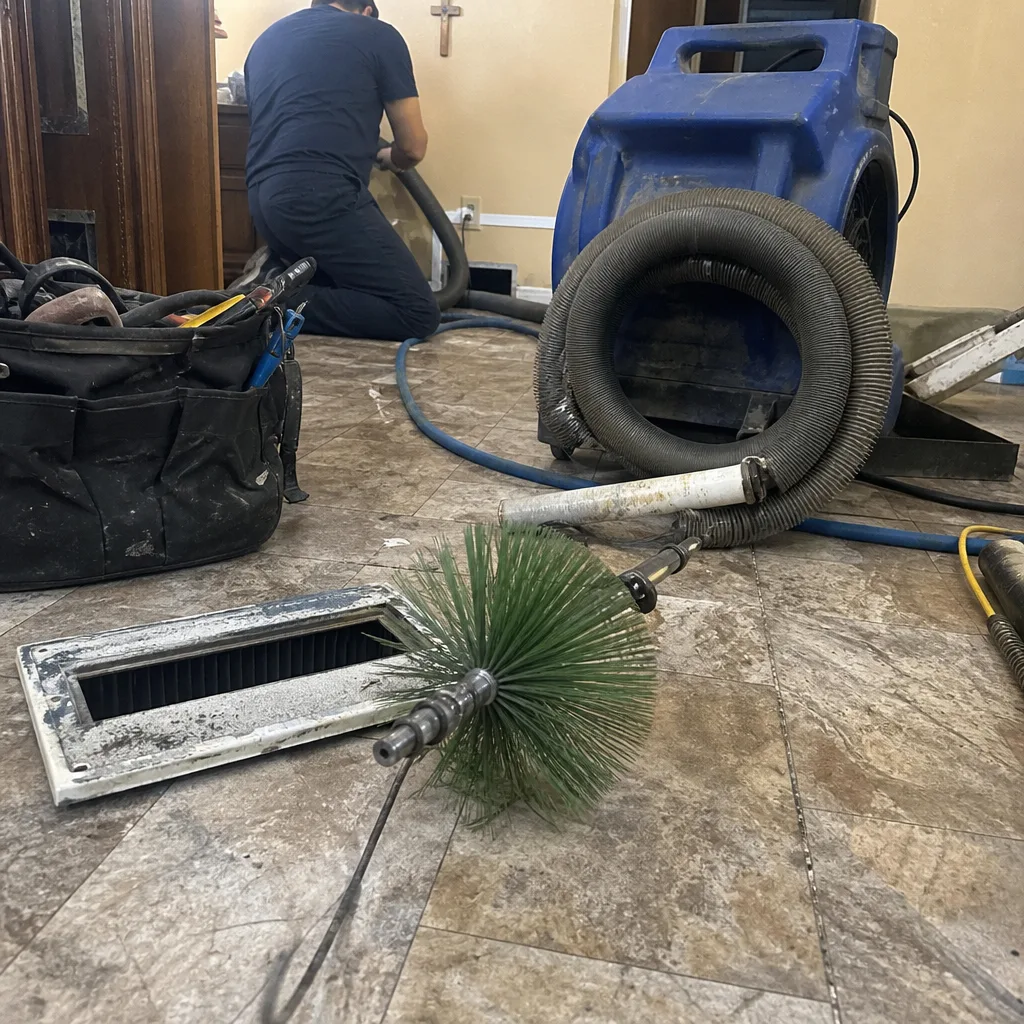 Before
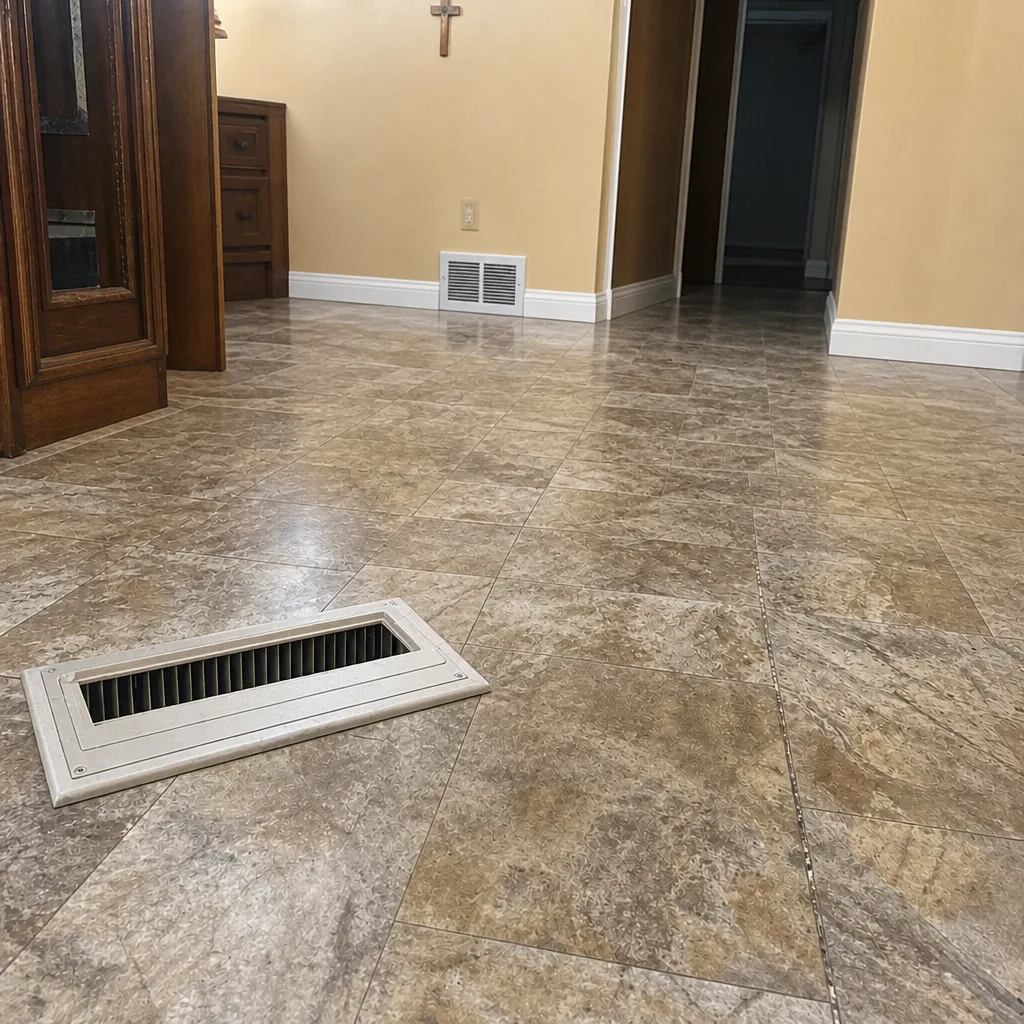 After
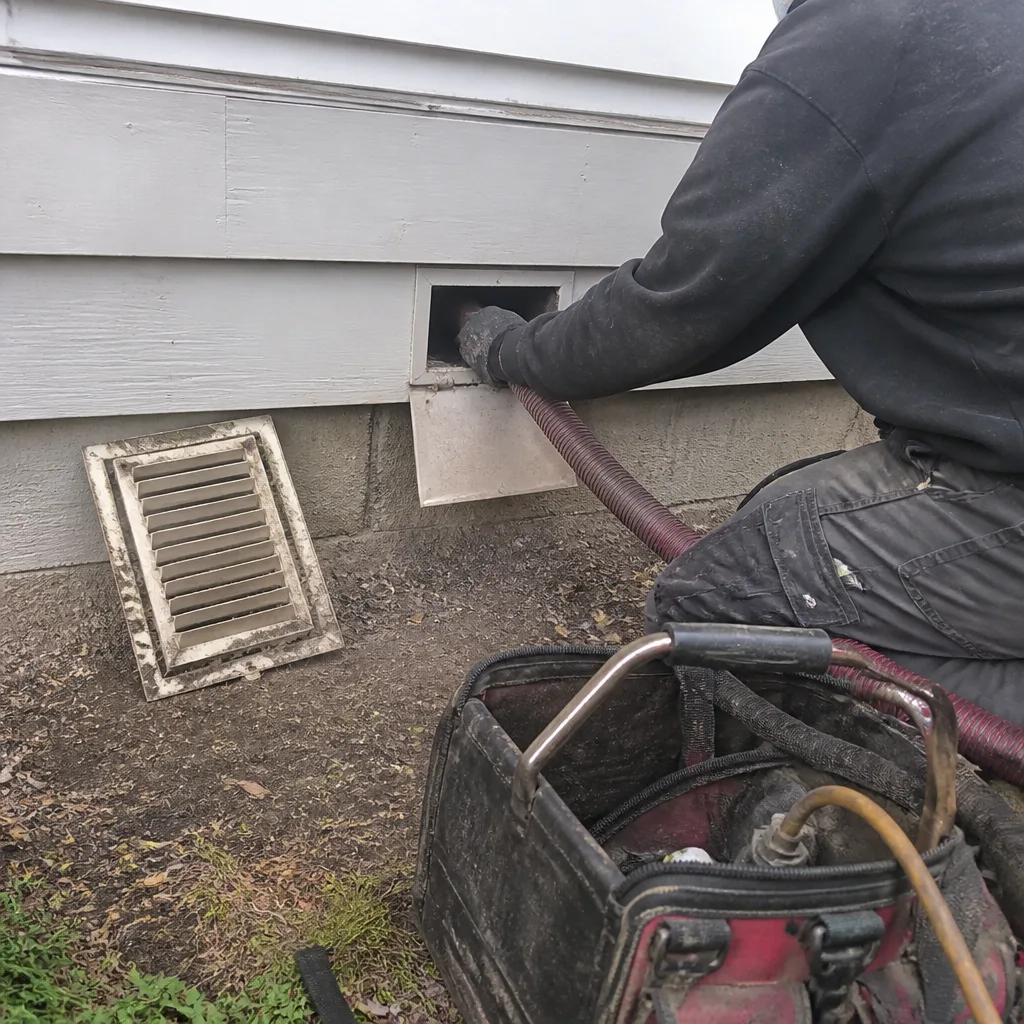 Before
 After
 Before
 After
When to Call a Professional
The right time to call is when one of these hits: you’ve noticed a persistent dusty smell from your registers that lasts past the first week of heating season, you’ve had an extended wildfire smoke event during the summer, ductwork is visible from the crawl space and you see any sign of moisture or mold, your system has been in service for four or more years without a cleaning, or you’re finishing up a remodel and want a post-construction cleaning. In each of these, professional cleaning is the answer, not a filter change.
If you’re not sure whether your situation meets the bar, that’s the right moment to call too. A short phone conversation, or an on-site estimate, tells you whether the cleaning is warranted. If you want a starting point on cost, most of our Tacoma clients land in a broad per-system range rather than per-vent pricing, with the final number set by a written estimate before work begins. We use professional equipment on every job, but we don’t use scare tactics. Our technicians have up to 9 years of experience, and the estimate is free. Call (877) 792-6024. We answer 24/7. Fast dispatch from 7am to 7pm, Sunday through Friday.
Frequently Asked Questions
Cost depends on the number of systems, the length and complexity of the duct run, and the amount of buildup, not the number of vents. Most Tacoma homes land somewhere in the low to mid hundreds per system, with the exact figure set by a written estimate before work begins. Call (877) 792-6024 for a free estimate; the number is confirmed on the written quote.
The low quote usually reflects equipment: a shop vac and a hose instead of a rotary brush, negative air machine, and HEPA filtration. That’s not duct cleaning, it’s surface cleaning, and you’ll pay for the difference in a repeat job a year later. Ask what equipment will be on site before you hire. Call (877) 792-6024 for a straightforward comparison.
Ask for before-and-after photos of your own ducts during the visit. That’s the most direct proof: no need to take a technician’s word for it. Reputable crews document the condition before and after; ours do. Call (877) 792-6024 for a cleaning with photo documentation built in.
Every two years for most homes, timed to fall after wildfire season and before heating season, is realistic. Homes with pets, older ductwork, or recent remodeling may need 18 months; homes on newer systems with clean air on a quiet lot can go longer. Call (877) 792-6024 to talk through your specific home.
Both, ideally: prep before (filter upgrade, close outdoor intake during events) and clean after. The after-season cleaning is the one that matters most because it removes the fine particulate that embedded in your duct lining while the system was running through the smoke. Call (877) 792-6024 to schedule your fall cleaning.
We handle both. Duct repair and sealing is a named service, and it’s often what cleaning reveals: a loose joint, a boot that lost its seal, a return pulling attic air. Cleaning without sealing means the system re-loads itself through its own leaks. Call (877) 792-6024 for a combined visit.
The Bottom Line
Tacoma’s air quality threats arrive on a schedule: spring construction and pollen, summer wildfire smoke, winter heating that amplifies everything the year accumulated. Cleaning once on a generic calendar ignores that pattern. Cleaning in fall, right after smoke season and before the furnace starts, closes the loop. Between cleanings, spring assessments (filter, registers, crawl space), summer filter upgrades, and winter diagnostic monitoring keep you ahead of the load. If you’re ready to build a seasonal calendar for your own home, or you suspect you’re overdue, we’re here. From duct cleaning to air quality upgrades – one visit, one company. Call (877) 792-6024 for a free estimate.
Written by the team at Tacoma Air Duct Cleaning Co.