
Last updated November 23, 2026
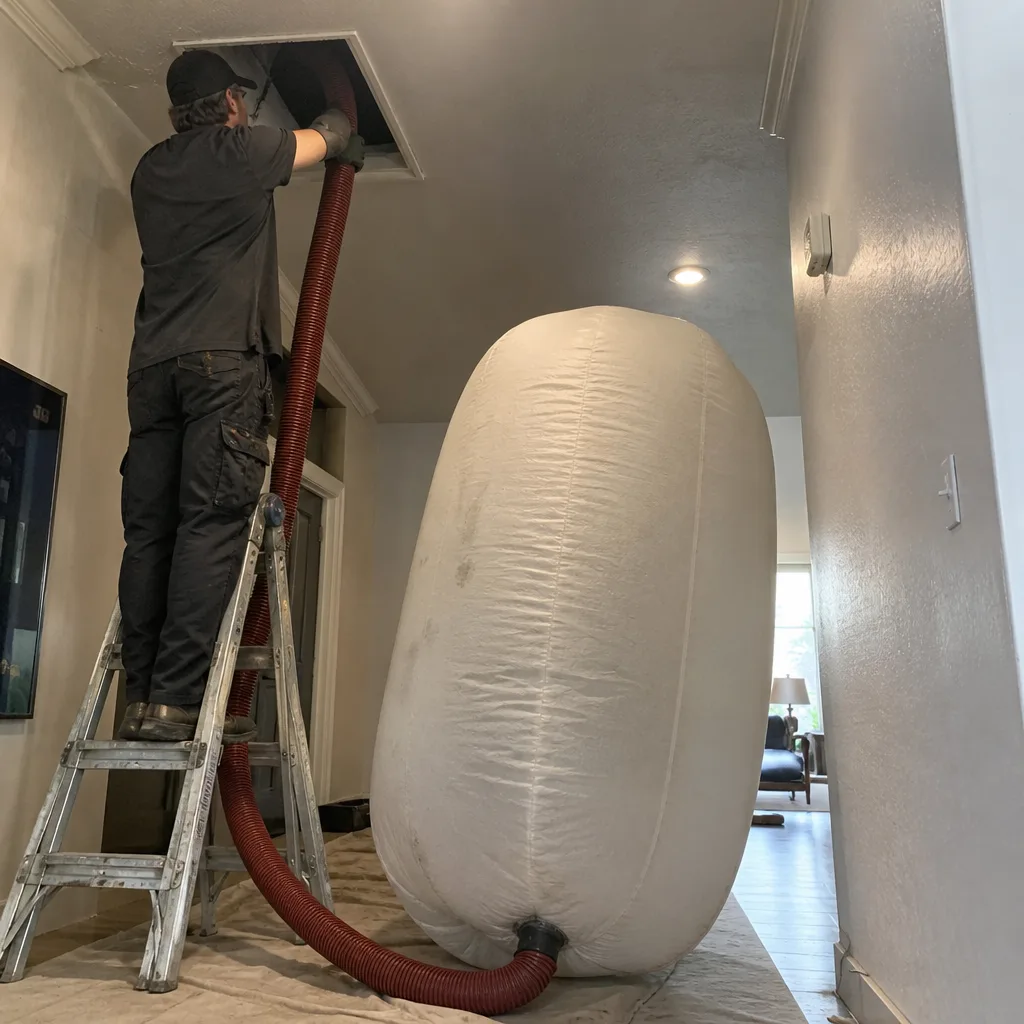
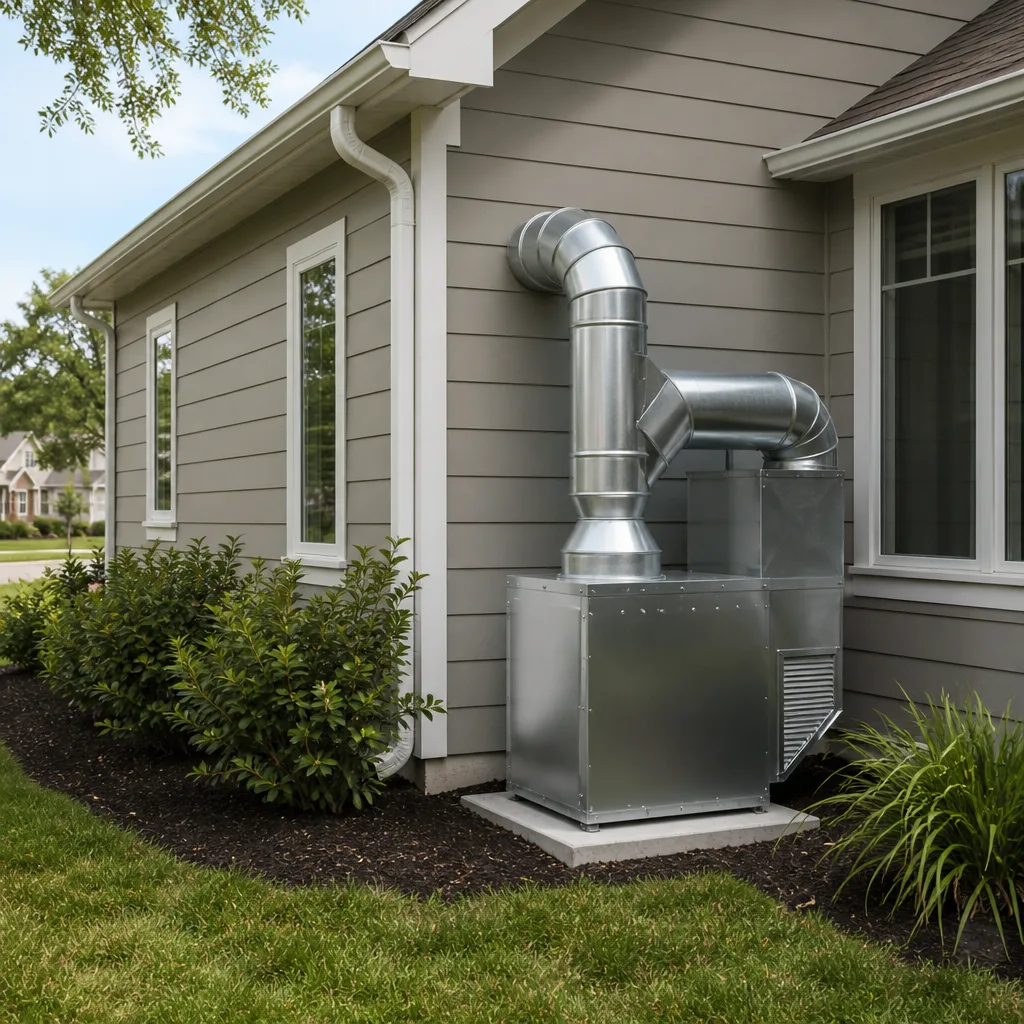 Whole-home duct cleaning
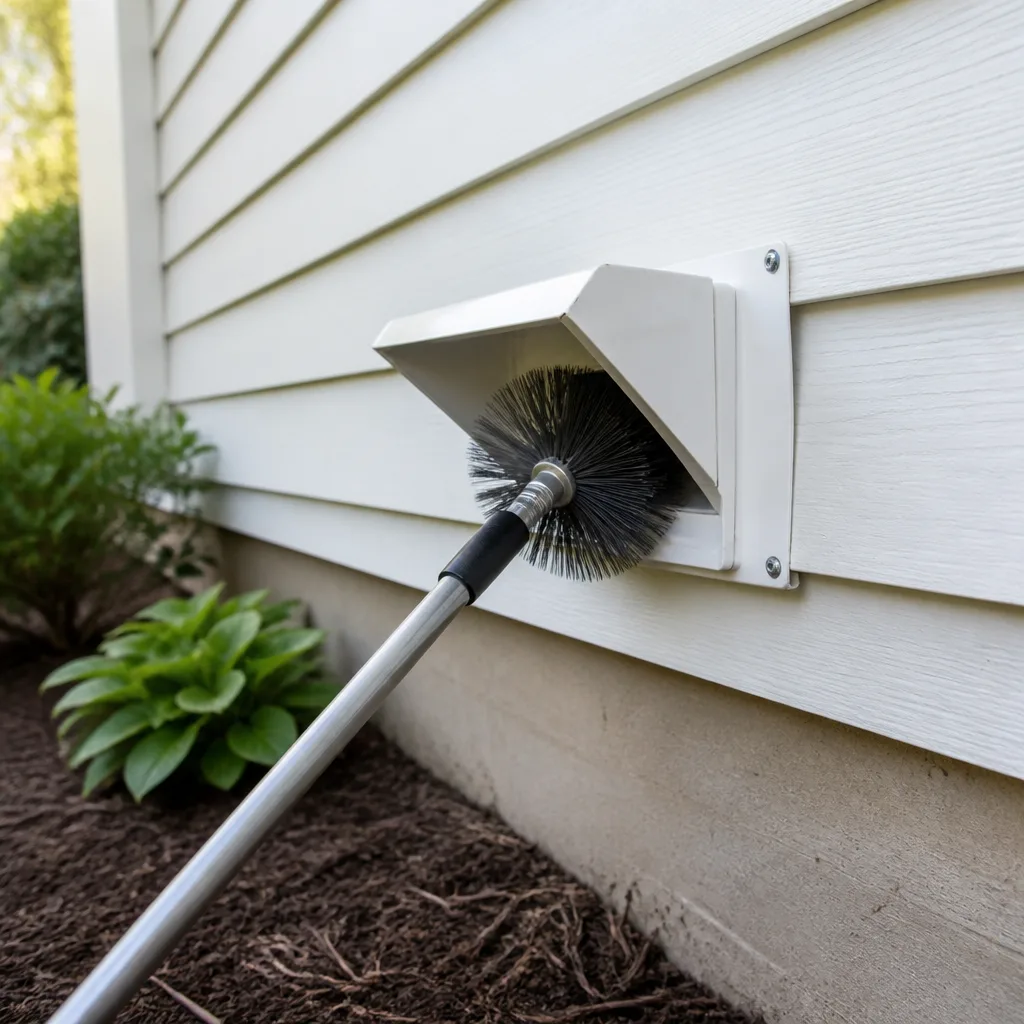 Dryer vent cleaning
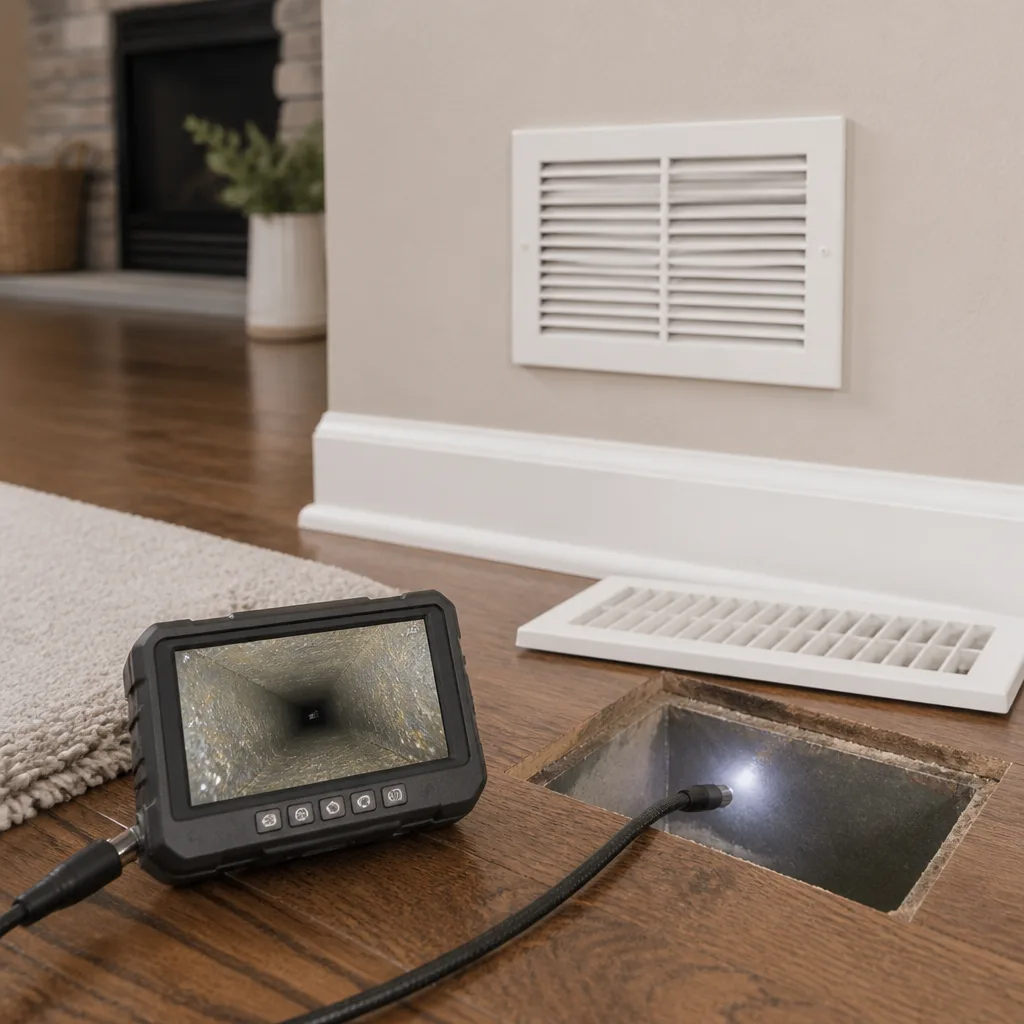 Camera inspection
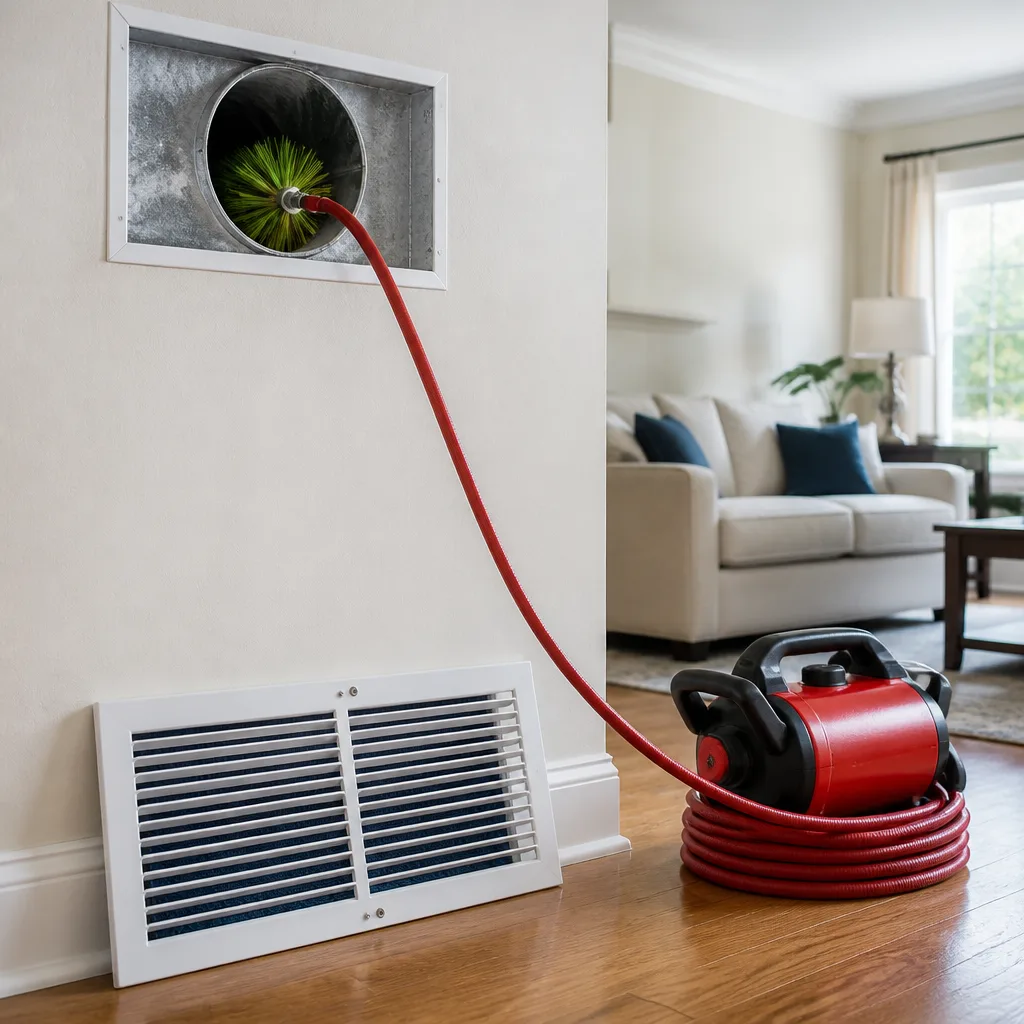 Sanitizing & deodorizing
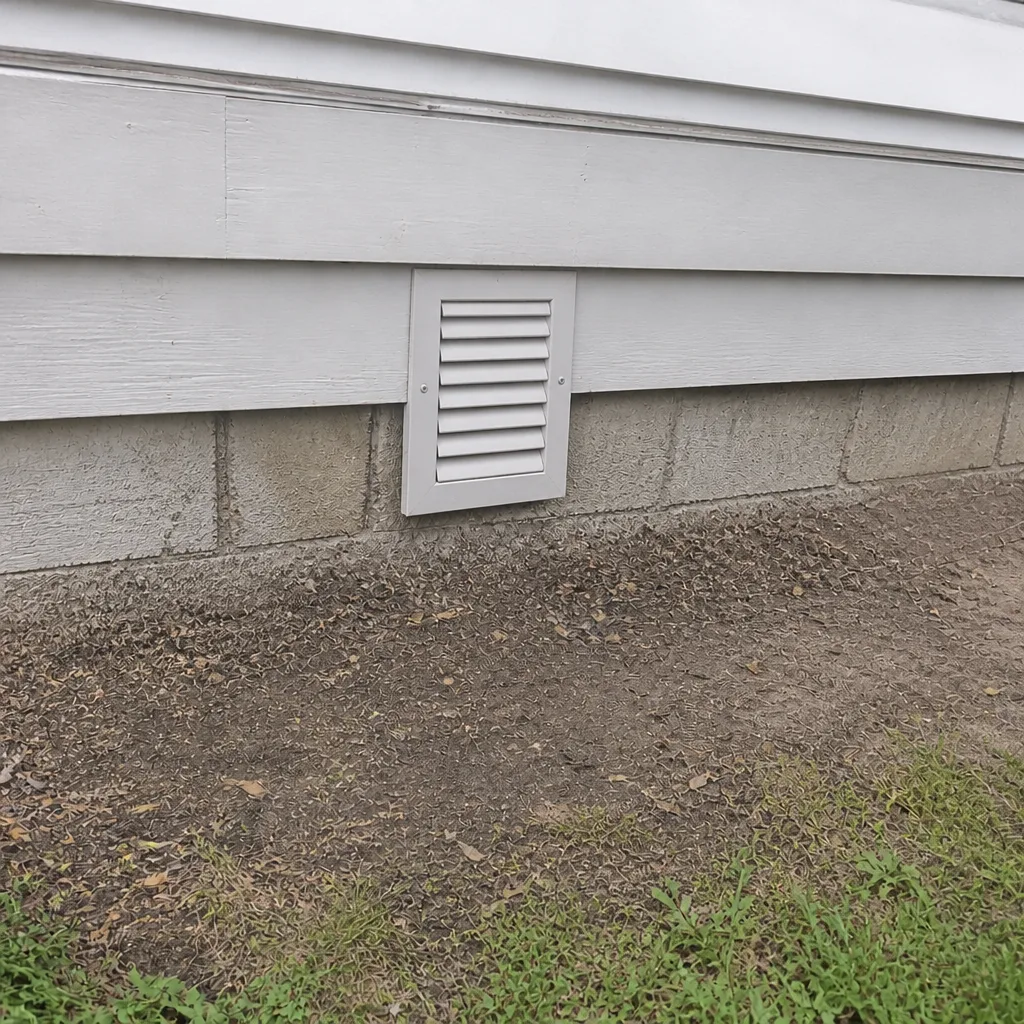
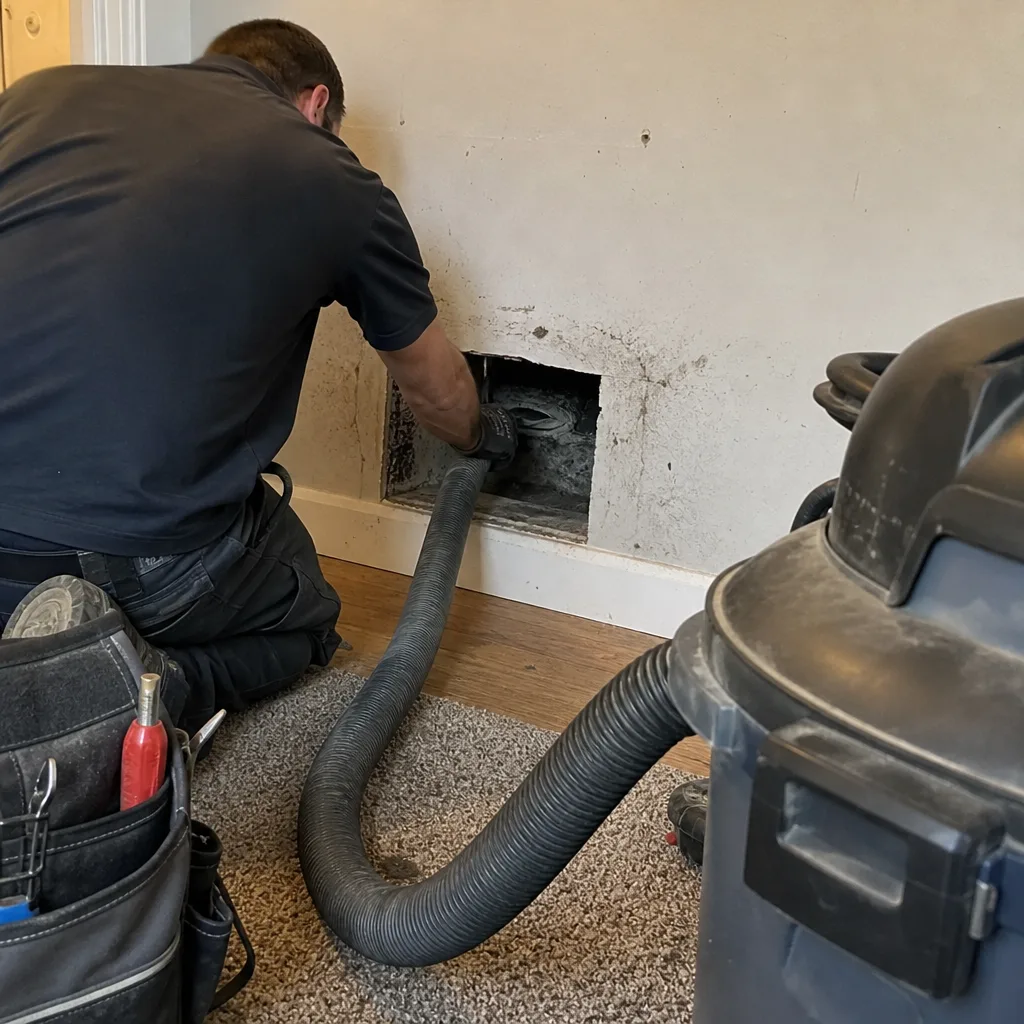
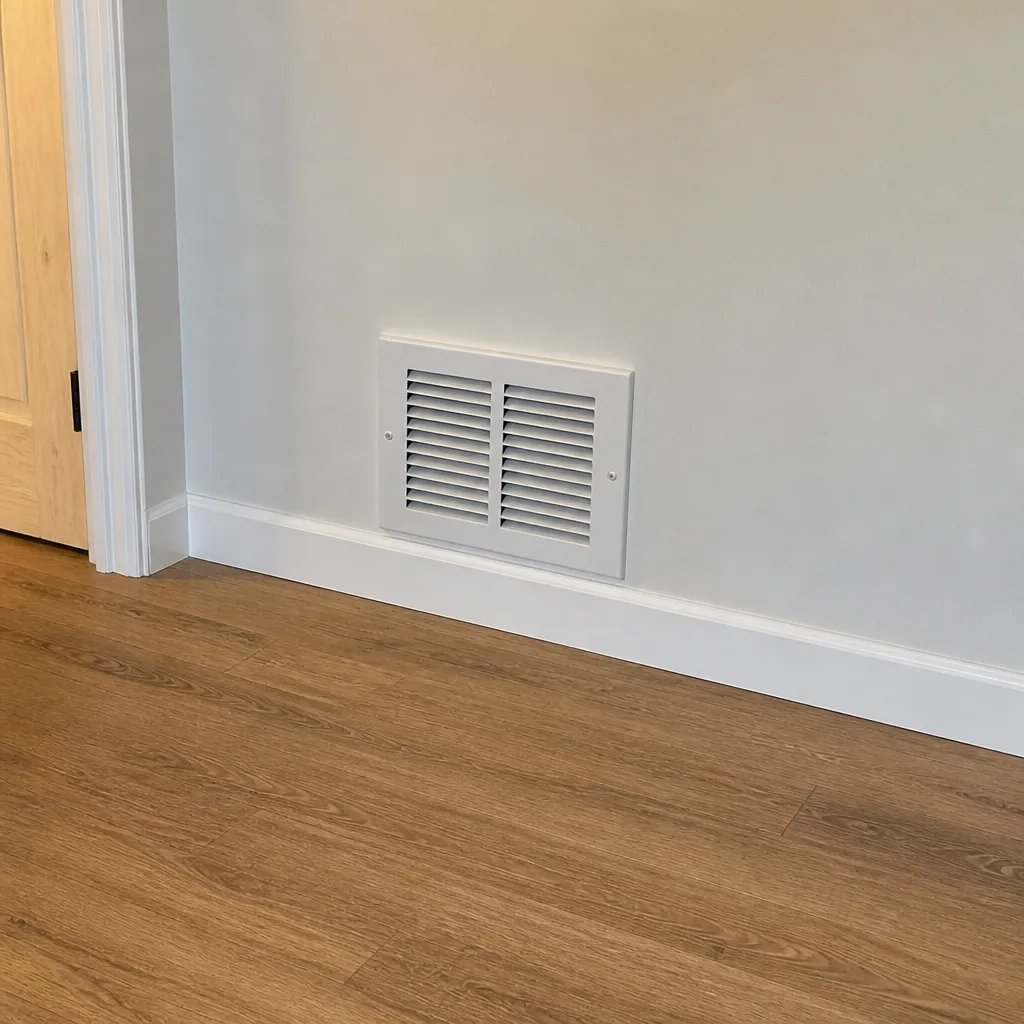
Whole-system duct and dryer vent check with before-and-after photos - you see exactly what came out of your vents
That "$99 whole-house special" is a bait ad - the real number appears once they are in your hallway, or the "clean" is a shop-vac at the register. We photograph the inside of your ducts before and after instead.
Air Duct Cleaning Permits, Codes & Inspections in Tacoma, WA: What You Need to Know
Most homeowners assume the answer is simple: duct cleaning either needs a permit or it doesn’t. The reality in Tacoma is messier, and it catches people mid-project. Cleaning itself is not regulated mechanical work. But the moment a technician finds disconnected flex duct in a crawl space, a crushed run behind a finished wall, or a joint that’s been leaking for years, the job can cross a line into mechanical repair that falls under Washington State contractor licensing and City of Tacoma permit rules. That line is where budgets surprise people and where unlicensed work quietly happens. This guide draws the line clearly: what needs a permit, what doesn’t, how licensing actually works in Washington, and what to ask before anyone touches your ductwork. It’s written for Tacoma homeowners and property managers who want to know the rules before a cleaning job turns into a repair project.
Quick Answer
Routine air duct cleaning in Tacoma does not require a permit because it’s classified as maintenance, not mechanical work. Duct repair, sealing that alters the system, replacement of duct runs, and any work that changes the HVAC system’s configuration usually do require a mechanical permit through the City of Tacoma, and the contractor performing that work must hold a valid Washington State specialty contractor registration for HVAC work. If the job touches mold contamination inside ductwork at a certain scale, it can move into licensed abatement territory under Washington State Department of Labor & Industries rules.
Styles & brands we work with
- Whole-home duct cleaning
- Dryer vent cleaning
- Camera inspection
- Sanitizing & deodorizing
Table of Contents
- Cleaning vs. Mechanical Work: Where Washington Draws the Line
- City of Tacoma Building Department Jurisdiction Over HVAC Work
- What a Licensed Contractor Actually Looks Like in Washington
- WAC 51-52 and the Mechanical Code in Plain Terms
- When Duct Mold Crosses Into Licensed Abatement
- How to Protect Yourself From Unpermitted Work
- What an Inspection Actually Involves
- Choosing a Duct Contractor in Tacoma
Cleaning vs. Mechanical Work: Where Washington Draws the Line
In Washington, duct cleaning sits in the maintenance category. A technician running a rotary brush through a supply run, pulling debris out with negative air, or sanitizing the interior of the ductwork is not doing mechanical work in the code’s sense. No permit is issued for it, and none is typically required. That’s true whether the home is a 1920s Craftsman in North Tacoma or a newer build out toward Frederickson.
The line shifts when the work stops being about removing material and starts being about changing the system. Reconnecting a duct that’s come apart in a crawl space is mechanical work. So is replacing a rusted-out run, adding a new supply register, or sealing a joint in a way that changes the duct system’s air balance. Tacoma has a lot of older housing stock with original galvanized ductwork and flex duct added in later renovations, and both are prone to coming loose at joints. When a cleaning job reveals a problem like that, the honest answer is: cleaning ends here, and repair work begins.
What usually stays in the no-permit zone
- Mechanical brushing and vacuuming of the duct interior
- Negative-air containment during cleaning
- Sanitizing spray applications inside existing ductwork
- Cleaning of the air handler cabinet, blower, and coil surfaces
- Dryer vent cleaning (a separate service, but commonly bundled)
What usually crosses into permit territory
- Reconnecting or replacing disconnected flex duct runs
- Replacing a section of rigid ductwork
- Adding, relocating, or removing supply or return registers
- Sealing that changes how the system distributes air
- Any change to the furnace, air handler, or central system configuration
If you’re not sure which category your situation falls into, ask before work starts. A company that handles air duct cleaning as its core service should be able to tell you plainly when the job needs to move to a licensed HVAC contractor, and a specialist that also performs duct repair and sealing should be able to handle both sides of the line itself, with the right licensing on the repair portion.
City of Tacoma Building Department Jurisdiction Over HVAC Work
Tacoma issues its own mechanical permits through the City of Tacoma’s building department. That’s true for work inside city limits, and it’s a detail homeowners miss when they hire a contractor from a neighboring jurisdiction who assumes the county handles it. Pierce County has its own permit process for unincorporated areas, and what’s required in unincorporated Pierce County isn’t identical to what the City of Tacoma requires inside its boundaries. If your home is in University Place, Lakewood, or Fife, the city you’re in has jurisdiction, not Tacoma.
When a simple duct repair triggers a permit
In practice, a mechanical permit is usually pulled when the work involves more than a single reconnection. A technician who reattaches one disconnected flex run in a crawl space during a cleaning job is often operating in a gray zone that most jurisdictions don’t inspect. A project that replaces multiple runs, changes the layout, or involves the air handler itself is generally treated as permit-required mechanical work. The safest way to know is to call the City of Tacoma building department directly with the specific scope, because permit thresholds can depend on the details of the job.
What to confirm before work starts
- Which jurisdiction issues the permit for your address (city limits vs. unincorporated Pierce County)
- Whether the scope you’re discussing requires a mechanical permit
- Whether the contractor will pull the permit themselves or expect you to
- Whether the work will be inspected afterward
Unpermitted mechanical work creates a paper trail problem. When you sell a Tacoma home, a buyer’s inspector can flag non-permitted work, and the burden of resolving it often falls on the seller. That’s why it’s worth a phone call up front, even when the job sounds small.
What a Licensed Contractor Actually Looks Like in Washington
Washington State has a specific licensing structure, and the terms get used loosely in contractor marketing. Here’s how it actually breaks down, and what applies to duct work specifically.
General contractor vs. specialty contractor
A general contractor registration allows a company to take on projects that involve multiple trades and structural work. A specialty contractor registration covers a single trade, and it’s what most HVAC-focused companies carry. Duct cleaning and duct repair fall under HVAC specialty work. If a company is doing repair or sealing on your duct system, they should hold a specialty contractor registration for HVAC, and they should be able to give you the registration number without hesitation.
What to verify
- Registration number – Ask for it. In Washington, contractor registrations are public record and searchable through the Department of Labor & Industries.
- Bond and insurance – A properly registered contractor carries a surety bond and liability insurance. Both protect you if something goes wrong.
- Specialty classification – Confirm the registration is for HVAC work, not general construction or a related trade.
- Coverage for the specific scope – Cleaning and repair are not the same classification question. Confirm the contractor is registered for the work they’ll actually do.
The Tacoma Air Duct Cleaning Co page is a useful starting point for understanding which indoor air services are available in Tacoma, and any licensed contractor you hire for repair work should be able to speak to their registration status and the permit process directly. Our technicians have up to 9 years of experience working inside residential duct systems in Tacoma, and we’ve seen what happens when unpermitted repair work is tacked onto a cleaning job without disclosure. It’s almost always a cheaper conversation before the work than after.
WAC 51-52 and the Mechanical Code in Plain Terms
Washington State adopts its Mechanical Code through WAC 51-52, and that code governs how HVAC systems are installed, altered, and repaired. You don’t need to read the code yourself, but knowing the general shape of it helps you ask better questions when a contractor tells you work doesn’t need a permit.
What the code actually covers
- Installation of new ductwork and air distribution systems
- Alterations to existing duct systems that change capacity or configuration
- Replacement of HVAC equipment and duct runs
- Ventilation requirements for the inside of a building
What it typically doesn’t cover
Routine maintenance falls outside the code’s reach. Cleaning existing ductwork, replacing filters, tightening access panels, and sanitizing interior surfaces are not code-governed activities because they aren’t changing anything about the system itself. That’s why duct cleaning services don’t pull mechanical permits in Tacoma and why an inspection isn’t part of a cleaning job.
The tricky middle ground is repair. A joint that was never properly connected, a crushed run behind drywall, a section of flex duct that’s been chewed by a rodent – all of these are commonly found during cleaning in Tacoma’s older neighborhoods, where crawl spaces and attic duct runs sit in humid conditions that accelerate wear. Whether fixing them triggers a permit depends on scope, and the safest rule of thumb is: if the fix changes the system in any way beyond restoring it, assume it needs a permit until a licensed contractor tells you otherwise.
When Duct Mold Crosses Into Licensed Abatement
Mold inside ductwork is one of the discoveries that most often shifts a routine cleaning job into a different category of work entirely. Tacoma’s damp climate means crawl spaces, basements, and attic duct runs sit in moisture conditions that favor mold growth, and a duct system with active mold contamination is not the same as a duct system with dust and debris.
Where the line sits
Light surface mold that can be cleaned with sanitizing treatment is generally handled by a duct cleaning company using appropriate containment. Once the contamination is substantial enough to require removal of contaminated materials, containment barriers, or air quality verification afterward, the work can move into the territory of a licensed abatement contractor under Washington State Department of Labor & Industries rules. That’s a different scope of work with a different level of containment, and it comes with the assumption that the air in the home is being protected during the process.
Why this matters before a cleaning job
If a homeowner hires a cleaning company that discovers active mold inside ductwork, they need a clear answer about which category the job is in before work proceeds. Cleaning over active mold without containment can spread spores through the living space. A cleaning company using professional-grade equipment – the kind of gear used in remediation work, such as Abatement Technologies negative-air units – will recognize when the job has crossed from cleaning into abatement and will tell the homeowner before proceeding. That’s a conversation worth having up front, not after the fact.
How to Protect Yourself From Unpermitted Work
The biggest risk with unpermitted mechanical work in a Tacoma home isn’t the inspection – it’s the insurance gap and the resale problem. Here’s how to protect yourself before a repair job starts.
Questions to ask before work begins
- Does this scope of work require a mechanical permit from the City of Tacoma?
- Will you pull the permit, or am I expected to?
- What’s your Washington State contractor registration number?
- Can you show proof of liability insurance and bonding?
- Will the completed work be inspected?
- If a problem is discovered mid-project, who decides whether to expand the scope?
What goes wrong without a permit
When mechanical work is done without a permit, three things can happen. The first is a failed inspection at resale, which often means tearing open finished areas to show the work. The second is an insurance claim denial if a problem tied to the unpermitted work causes a loss – most homeowners policies have exclusions for work done in violation of code. The third is a contractor who can’t be located afterward, because unregistered contractors don’t have a registration to lose.
A company that performs HVAC cleaning and duct repair as separate, clearly scoped services should be able to tell you where the boundary is on your specific job. If a contractor waves off the permit question or says no permit is ever needed for anything duct-related, that’s your signal to get a second opinion.
One more practical note: if your Tacoma home’s duct system has gone years without service, and a cleaning reveals damage, the honest move is to pause and decide whether you want to fix it now or schedule the repair separately. That decision is yours to make, and no reputable contractor should be making it for you without explaining the permit implications first.
What an Inspection Actually Involves
If a permit is pulled for duct repair in Tacoma, a city mechanical inspection comes afterward. Understanding what that inspection covers helps you know what to expect and what to ask your contractor about.
What the inspector typically checks
- That the installed ductwork matches the permitted scope
- That connections are secure and properly sealed
- That the duct material and installation meet code requirements
- That any HVAC equipment changes are installed to specification
- That ventilation requirements are met if the scope touched them
What inspections don’t cover
An inspection isn’t a cleanliness verification. It won’t tell you whether the ducts were cleaned properly, whether all debris was removed, or whether the interior was left in better condition than before. That’s why before-and-after photos of your own ductwork matter more than an inspection stamp on a cleaning job: the inspector’s job is code compliance, and the cleaning quality is a separate question you should verify yourself.
The step-by-step sequence
- Contractor assesses the scope and determines whether a permit is required
- Permit is applied for through the City of Tacoma building department
- Repair or replacement work is completed to permitted scope
- Inspection is scheduled and completed
- Permit is closed and documentation is provided to the homeowner
For cleaning-only work, none of this applies, but the same documentation principle does. You want proof of what was actually done in your system, whether or not a permit was involved.
Choosing a Duct Contractor in Tacoma
The regulation question is only half the decision. The other half is whether the company doing the work has the equipment and the scope to handle what they find. Those are related, because a company that only cleans and can’t repair will either hand you off to a second contractor mid-job or ignore the damage and move on.
What to look for
- Professional-tier equipment – Rotobrush rotary brush systems and Nikro negative-air machines separate specialists from generalists running a shop vac and a hose.
- Repair scope – Clean ducts are only as good as sealed ducts. Ask whether the company can seal or repair what cleaning reveals.
- Air quality integration – Companies that carry Aprilaire or Honeywell air quality products can move from cleaning into filtration or humidity control in the same visit, which matters in a damp Tacoma climate.
- Registration and permit literacy – Anyone who does repair work should be able to answer the permit question directly.
- Before-and-after documentation – Photos of your own ducts, taken during the job.
Red flags
- Coupon pricing that turns into a much larger invoice once the technician is on-site
- No answer when you ask about Washington State contractor registration
- Per-vent pricing that makes the total unpredictable
- Claims that no duct work ever needs a permit
- No before-and-after documentation offered
If you also want the fire-risk side of the system handled, dryer vent cleaning is a separate service worth bundling into the same visit, since the vent and the ductwork share the same crawl space and attic runs in most Tacoma homes.
Common Mistakes to Avoid
- Assuming no permit is ever needed for anything duct-related. Cleaning doesn’t need one; repair, replacement, and system changes often do. Assuming otherwise can leave you with unpermitted work in your home.
- Not asking who pulls the permit. Some contractors expect the homeowner to handle it. That’s a red flag for a repair job, since the licensed contractor should be the one pulling the mechanical permit.
- Hiring on coupon price alone. A low advertised price that becomes a much larger invoice once the technician is on-site is the most common complaint in this trade. Ask for one flat price per system agreed before work starts.
- Skipping the registration check. Washington State contractor registrations are searchable. A few minutes of verification protects you from a contractor who isn’t bonded or insured for repair work.
- Not distinguishing cleaning from abatement when mold is present. Cleaning over active mold without containment can spread spores into the living space. If the scope is uncertain, stop and get clarity before work proceeds.
- Treating a cleaning job as the end of the project. If the ducts are leaking at multiple joints, cleaning alone won’t fix the airflow or the indoor air quality – sealing will.
- Not asking whether the permit was closed. A pulled permit that never gets inspected is almost as bad as no permit at all. Confirm the inspection happened and keep the documentation.
See the difference
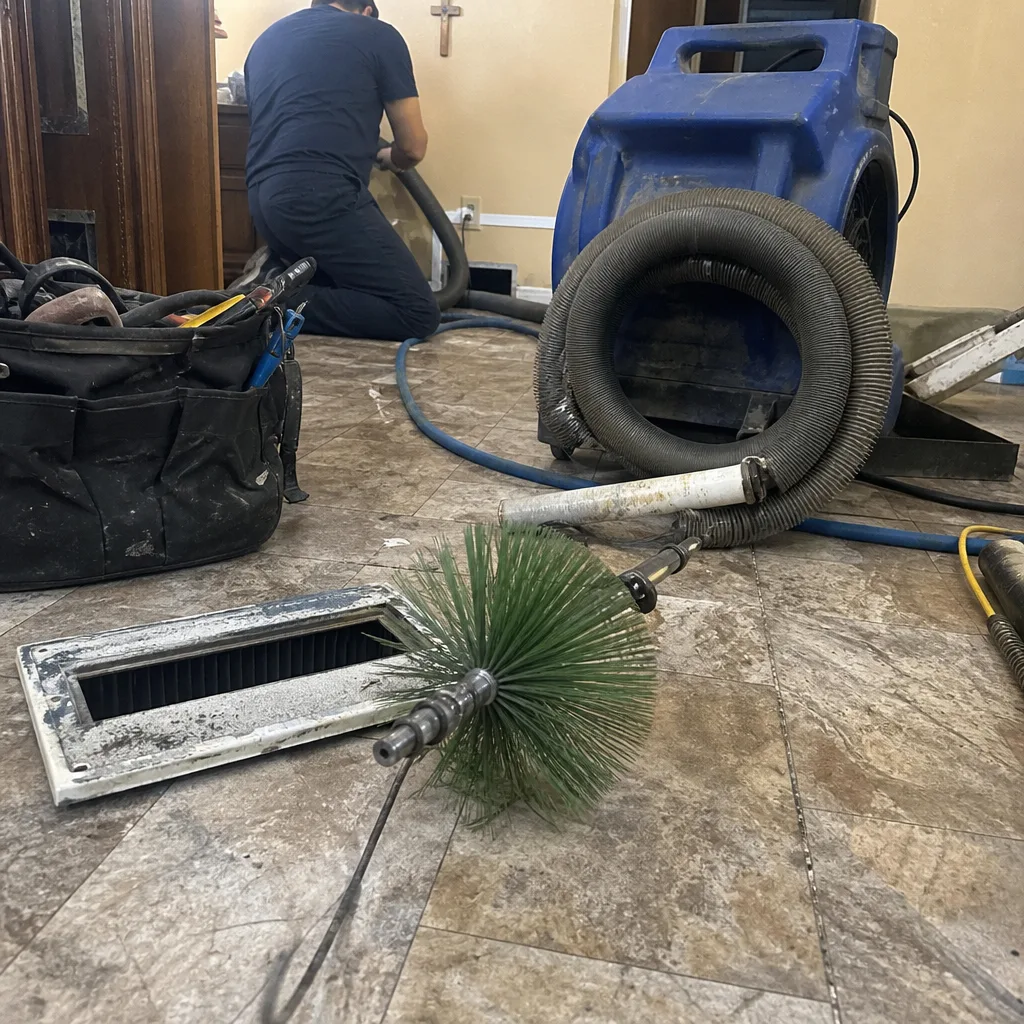 Before
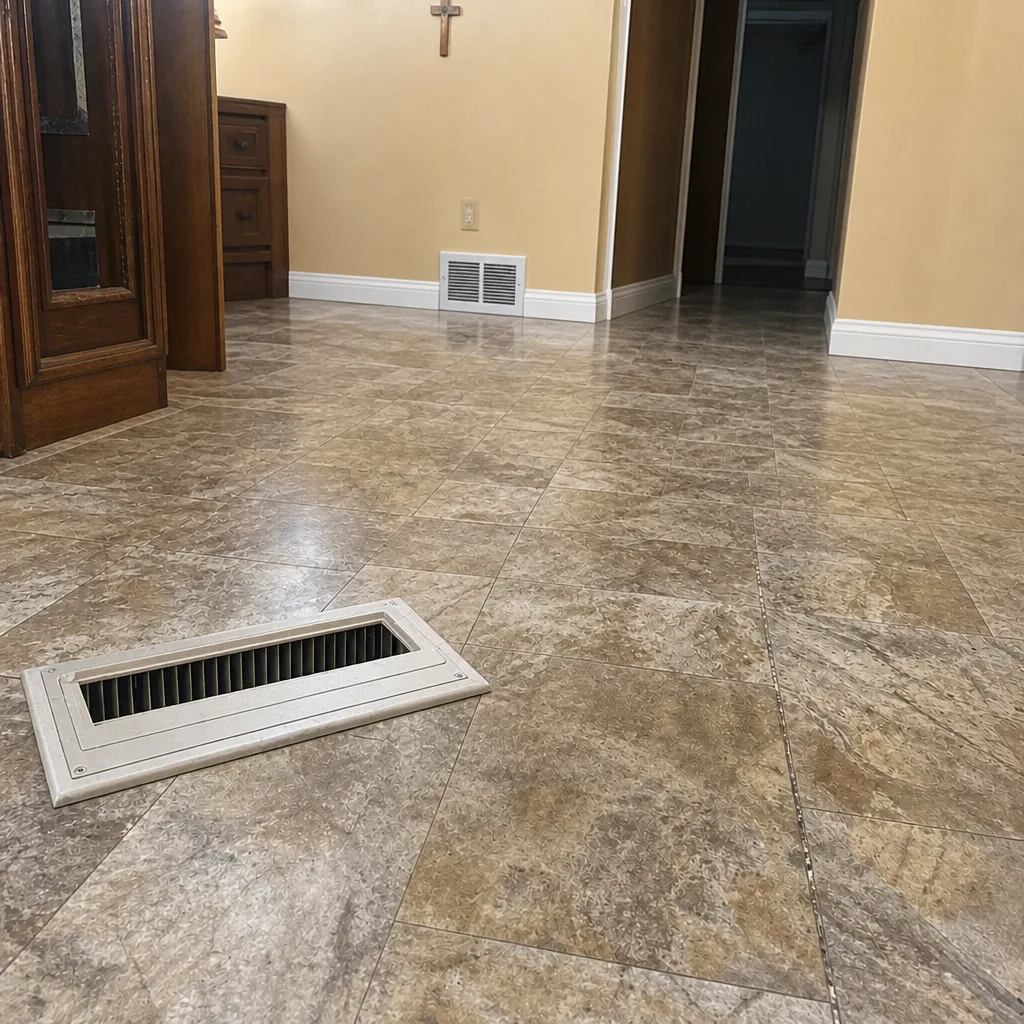 After
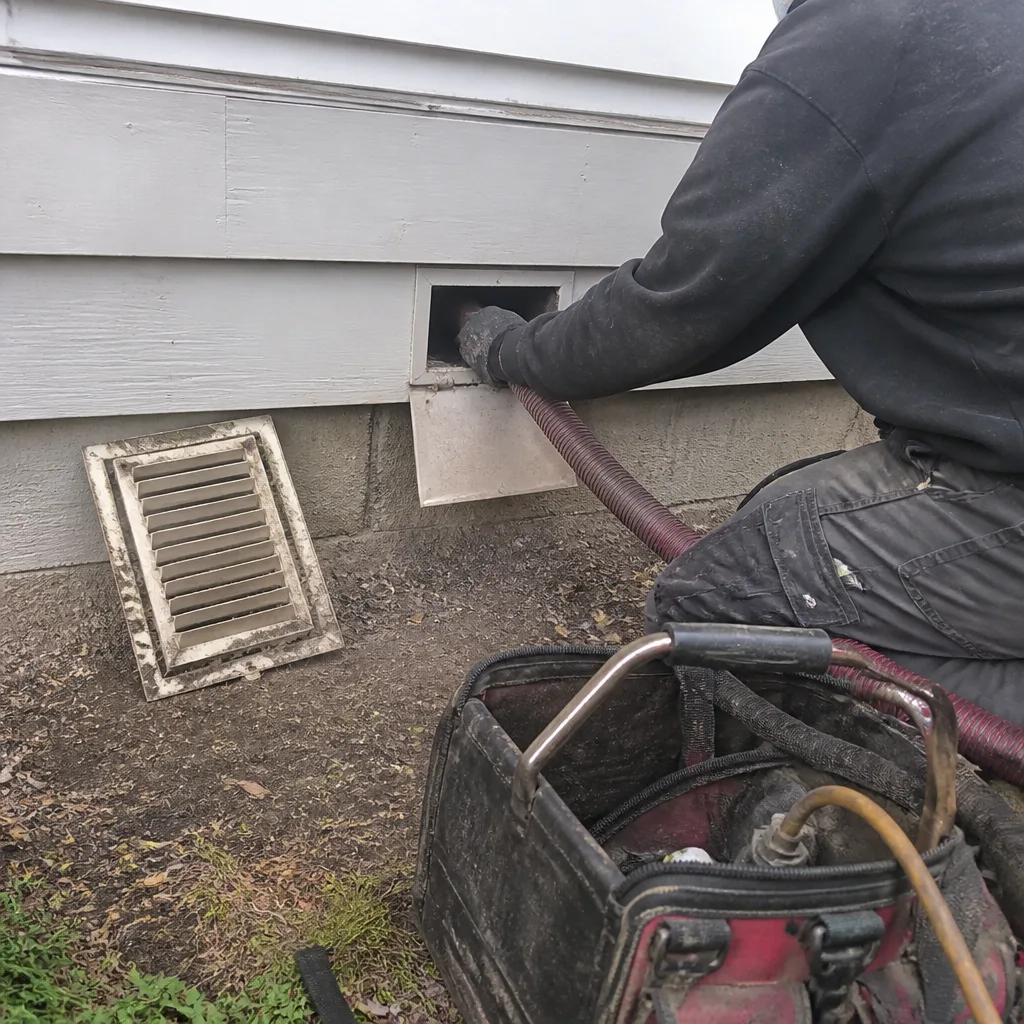 Before
 After
 Before
 After
When to Call a Professional
Call a professional when you’ve noticed musty odors that don’t go away, uneven airflow between rooms, visible dust blowing from supply registers, a dryer that takes noticeably longer to dry clothes, or when it’s been years since the ducts were serviced at all. Call before buying or selling a Tacoma home if you’re unsure whether previous duct work was permitted. Call if a previous cleaning company flagged damage but didn’t offer repair, or if you’ve had water intrusion in a crawl space or attic that reaches the ductwork. And call before making a permit decision yourself if a repair scope has expanded beyond what you expected. Tacoma Air Duct Cleaning Co offers free estimates in Tacoma and the surrounding area – call (877) 792-6024. We use professional-grade equipment, not a shop vac and a hose, and we can tell you plainly which parts of your job are cleaning and which parts need a permit. We answer 24/7. Fast dispatch from 7am to 7pm, Sunday through Friday.
Frequently Asked Questions
No. Routine air duct cleaning in Tacoma is classified as maintenance and does not require a mechanical permit. Duct repair, replacement, and changes to the HVAC system configuration generally do require a permit through the City of Tacoma.
Cheap quotes are almost always teaser pricing for a partial job, often per-vent or a coupon figure that expands once the technician is on-site. Ask for one flat price per system, agreed in writing before work starts, and ask what’s included. Call (877) 792-6024 for an exact quote – estimates are free.
Ask for before-and-after photos of your own ductwork, taken during the job. Any specialist running professional equipment can provide them without hesitation. A company that won’t document the work is a company that isn’t confident in the result.
A Washington State specialty contractor registration for HVAC work, along with bonding and liability insurance. You can verify registration through the Department of Labor & Industries before work begins. A general contractor registration doesn’t replace a specialty registration for HVAC duct work.
Not always. Light surface mold that can be cleaned with sanitizing treatment is a standard duct cleaning scope. Substantial contamination requiring containment barriers, material removal, or post-work air quality verification can shift the job into licensed abatement territory under Washington State Department of Labor & Industries rules. The right answer depends on the extent of the contamination, so it’s worth asking before a cleaning job proceeds.
Contact the City of Tacoma building department with your address and ask about permit history for mechanical work. If work was done without a permit and a buyer’s inspector later flags it, the burden of resolving it often lands on the seller, which is why it’s worth checking before a sale.
The Bottom Line
The regulatory landscape for duct work in Tacoma comes down to one distinction: cleaning is maintenance, and repair is mechanical work. Cleaning doesn’t need a permit. Repair, replacement, and system changes usually do, and the contractor doing that work needs a Washington State specialty contractor registration for HVAC. Mold contamination at a certain scale can shift a job into licensed abatement territory. The practical protection for a homeowner is simple: ask who holds the registration, ask who pulls the permit, ask what’s included in the flat price, and ask for photos of your own ducts before and after. When the answers are clear and documented, you’re working with a specialist. When they aren’t, keep asking. Call (877) 792-6024 for a free estimate. We answer 24/7. Fast dispatch from 7am to 7pm, Sunday through Friday.
Written by the team at Tacoma Air Duct Cleaning Co.