
Last updated November 23, 2026
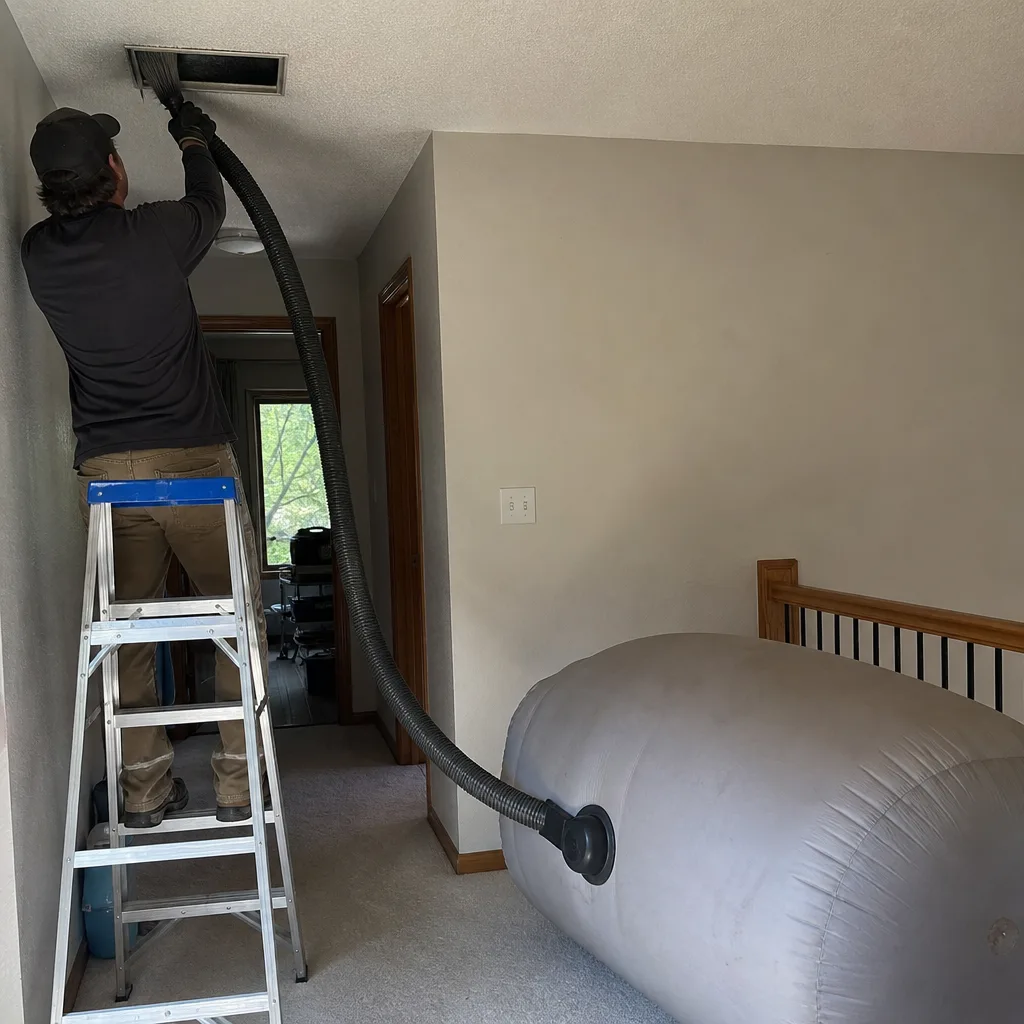
 Whole-home duct cleaning
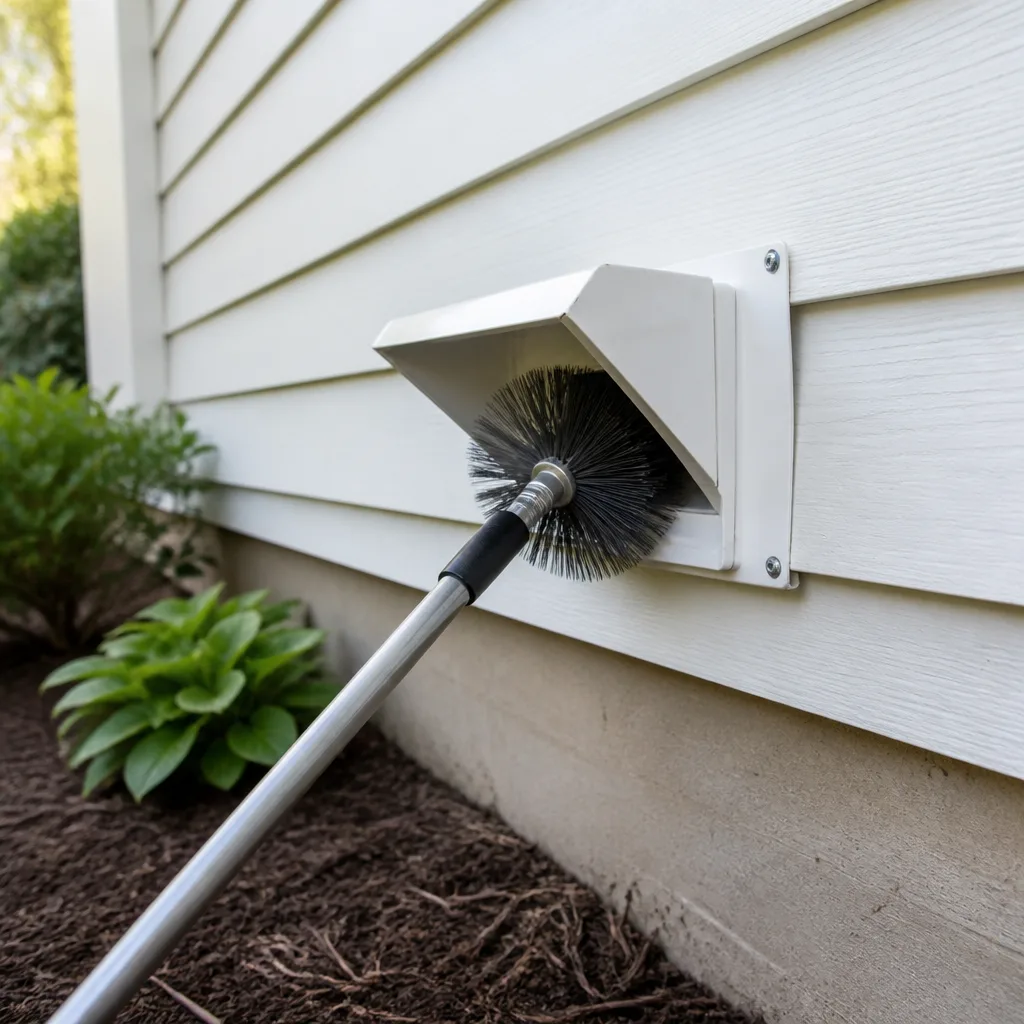 Dryer vent cleaning
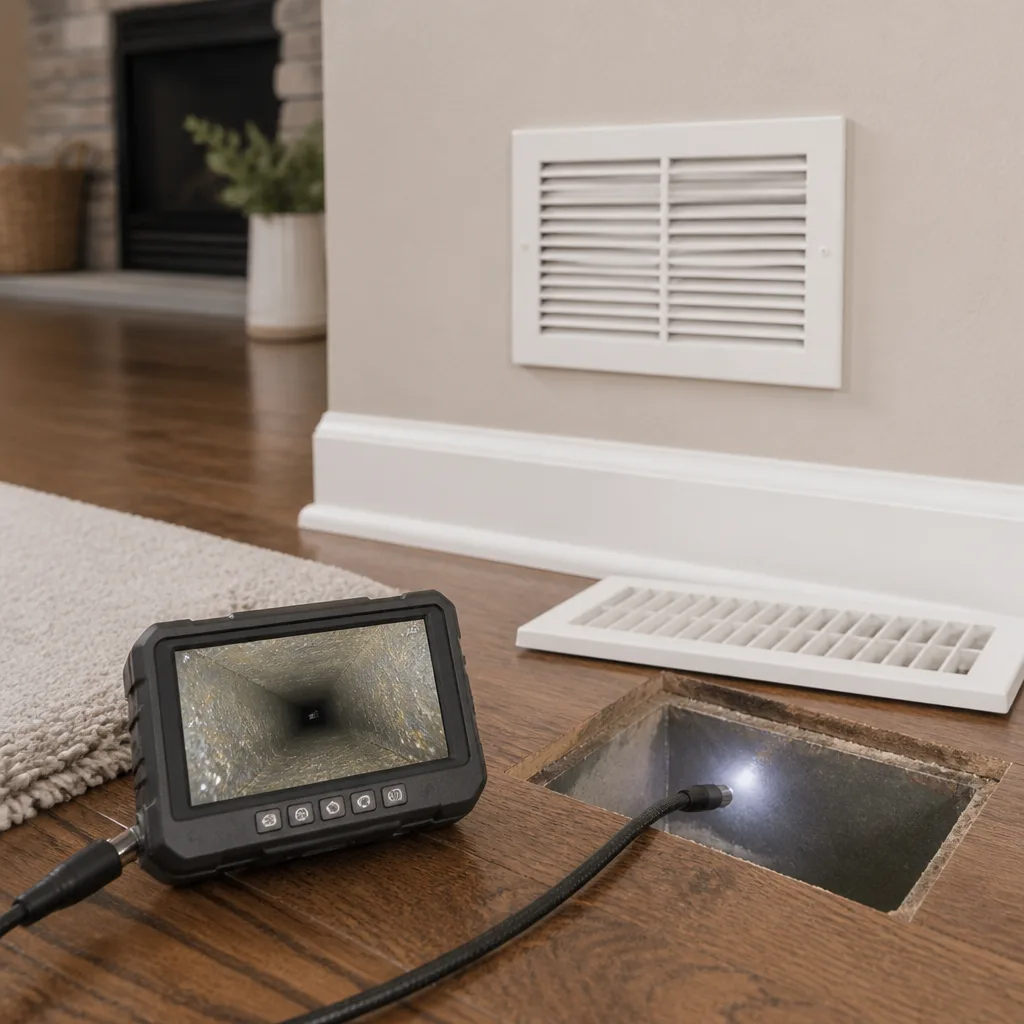 Camera inspection
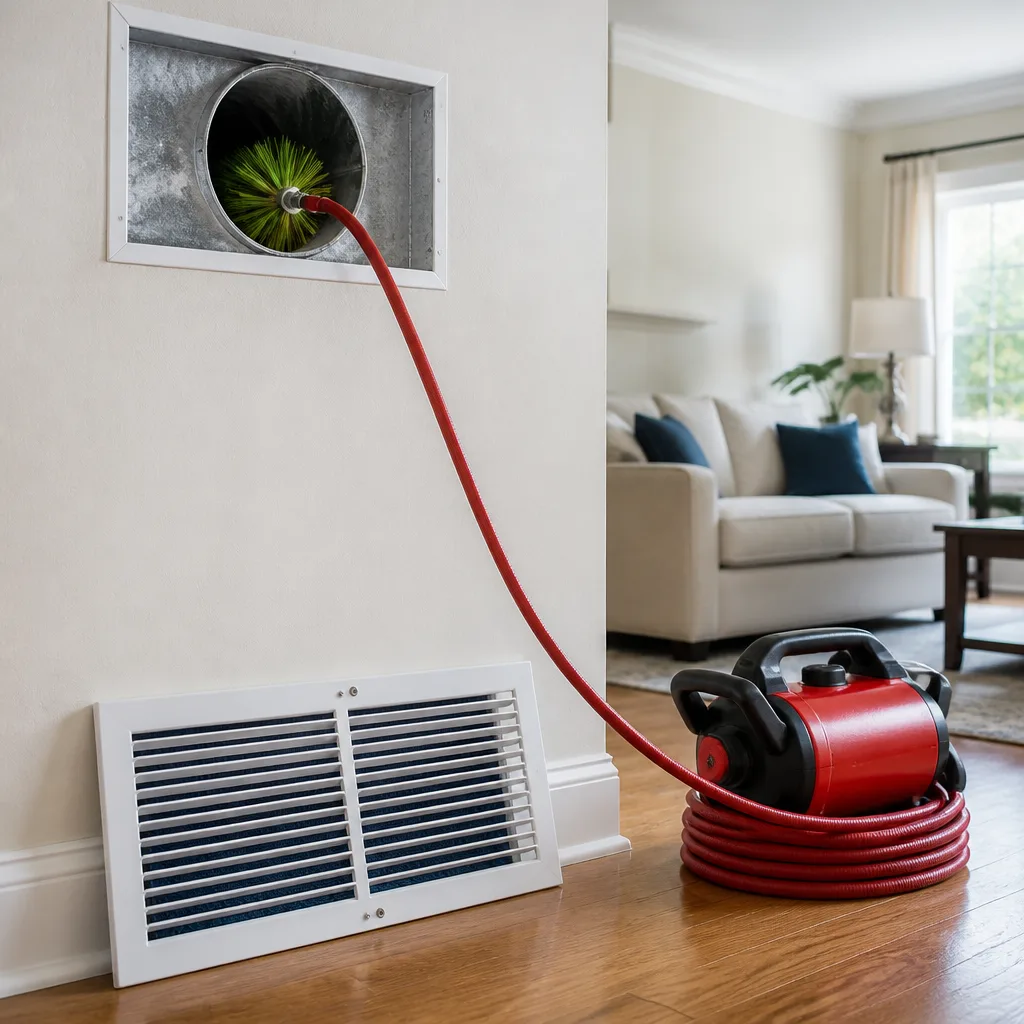 Sanitizing & deodorizing
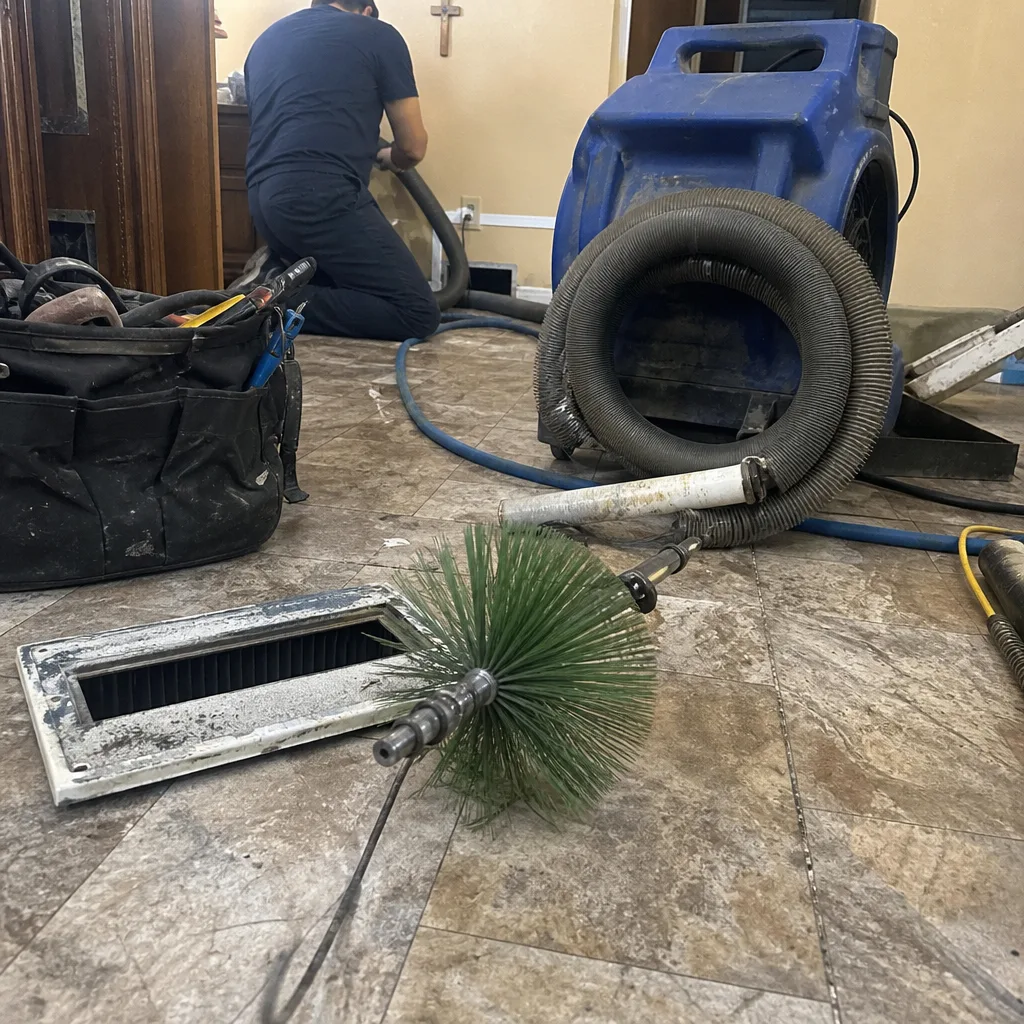
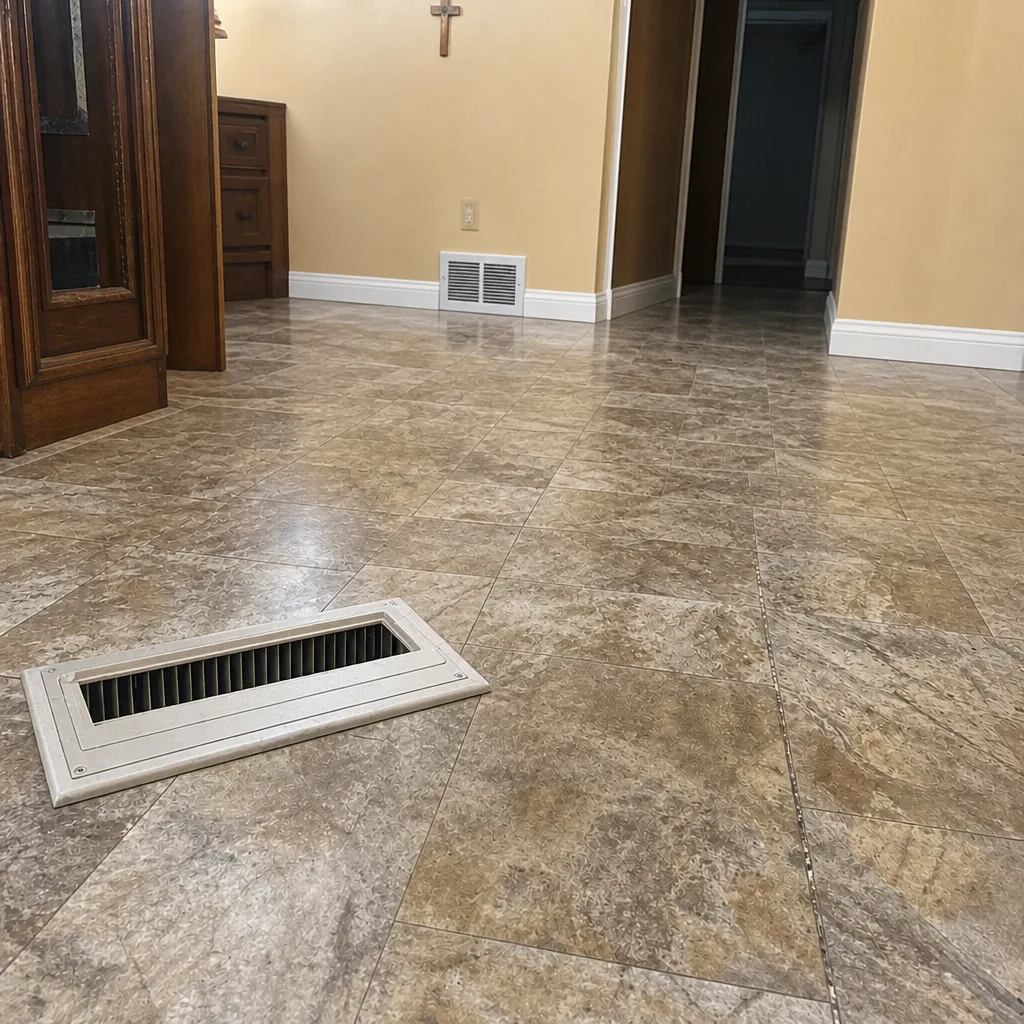
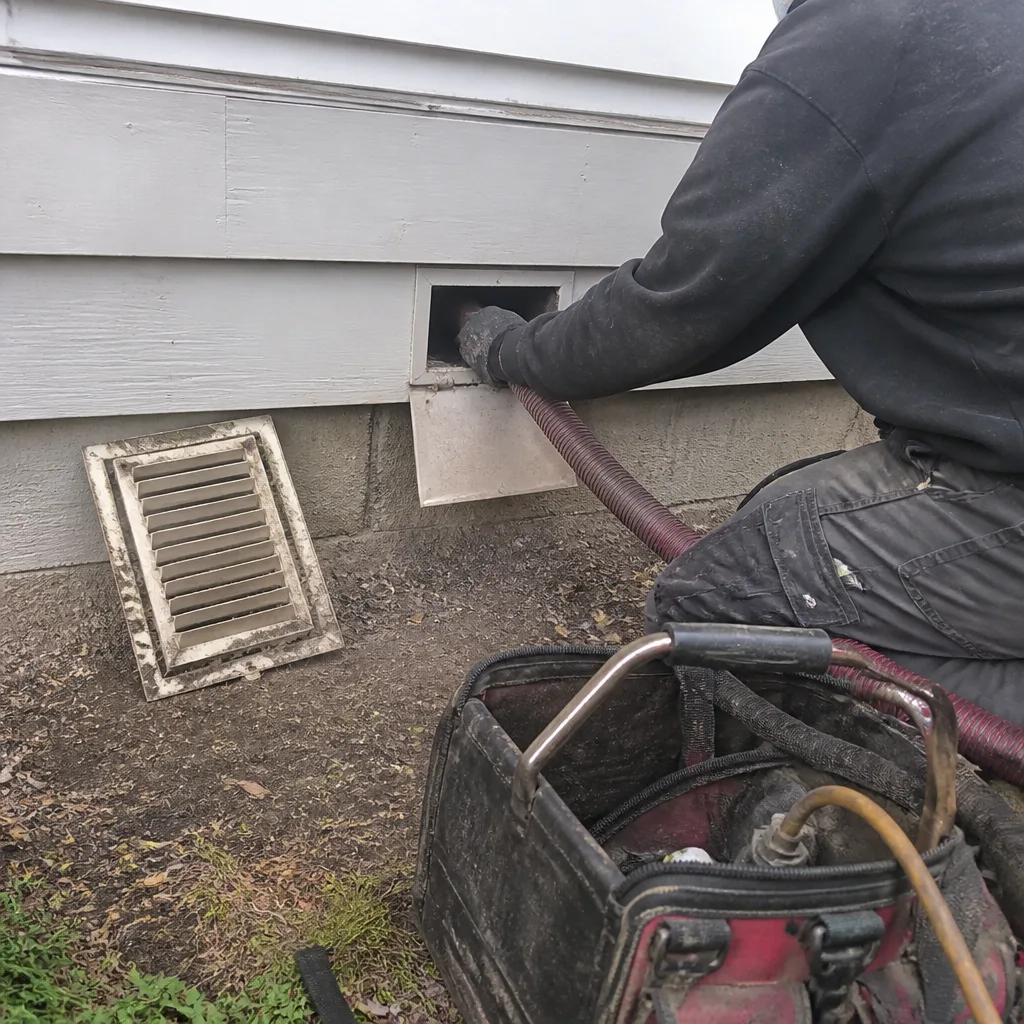
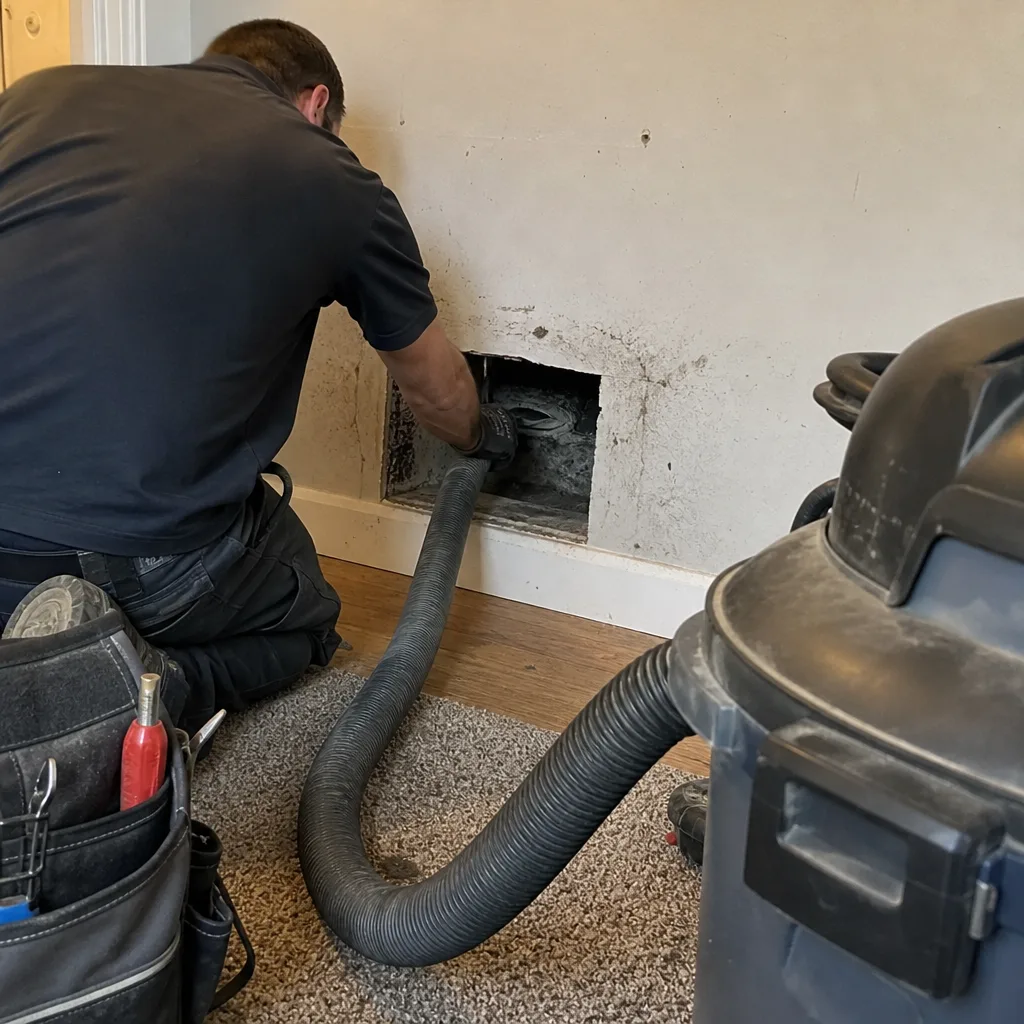
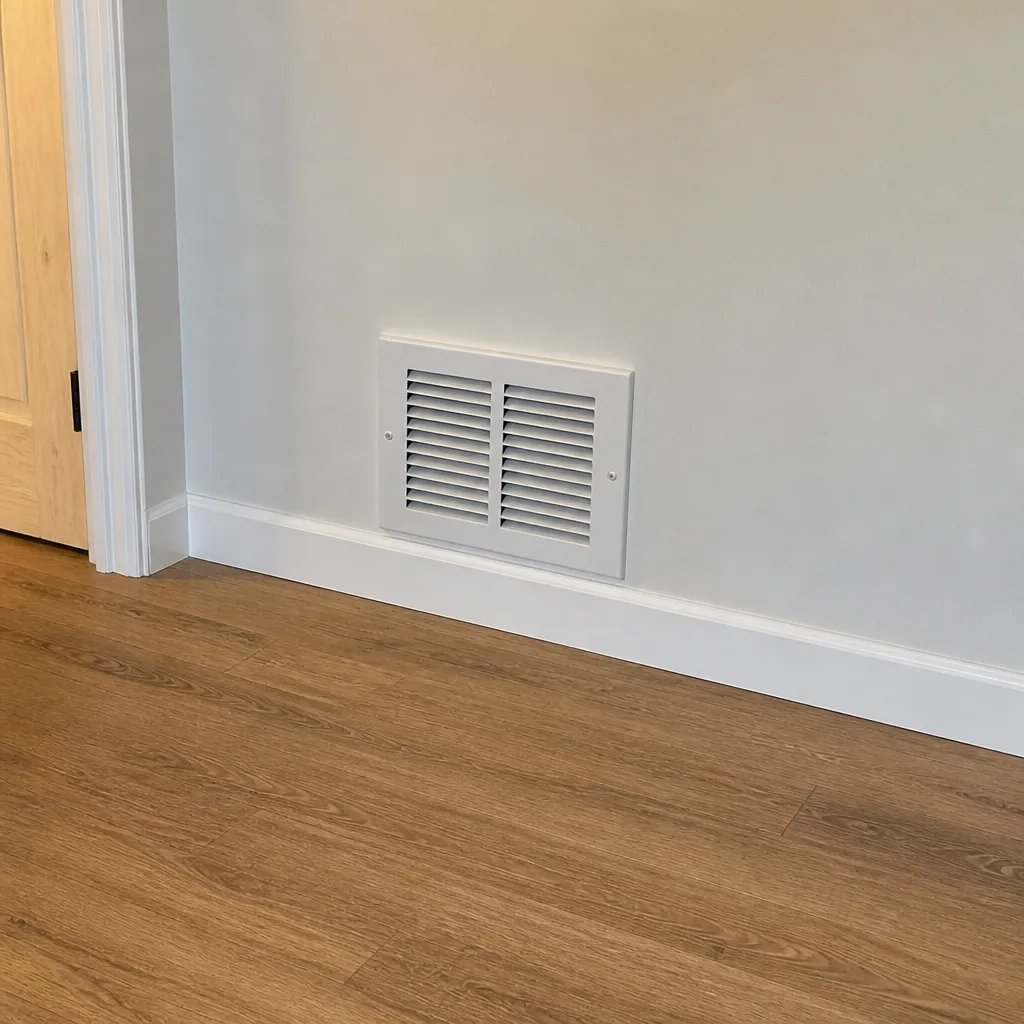
Whole-system duct and dryer vent check with before-and-after photos - you see exactly what came out of your vents
That "$99 whole-house special" is a bait ad - the real number appears once they are in your hallway, or the "clean" is a shop-vac at the register. We photograph the inside of your ducts before and after instead.
Air Duct Cleaning Warning Signs: A Tacoma Homeowner’s Reference Guide
Visible dust on a register face is usually a filter problem. Visible debris inside the duct throat, past the register, is a cleaning problem. These need completely different responses, and mixing them up is the most common homeowner diagnostic mistake we come across. Most people notice something is off with their air, then jump straight to a phone call without figuring out what they’re actually looking at. In Tacoma, where older housing stock and wet winters both push hard on duct systems, that guesswork gets expensive. This guide walks through the warning signs in the order a trained eye reads them, from the register face inward, so you can tell contamination from structural failure before you spend a dollar.
Quick Answer
The warning signs that genuinely point to air duct cleaning in Tacoma are: debris visible inside the duct throat rather than on the register face, a persistent musty odor under load, filter loading that speeds up noticeably, and pest nesting material at registers. Signs that point to repair instead of cleaning are disconnected flex duct, visible daylight at a joint, and uneven room temperatures. Read the symptom at its source before deciding what the house needs.
Styles & brands we work with
- Whole-home duct cleaning
- Dryer vent cleaning
- Camera inspection
- Sanitizing & deodorizing
Table of Contents
- The Visual Diagnostic Hierarchy: What You’re Actually Looking At
- Register Face Dust: When It’s a Filter Problem, Not a Duct Problem
- Duct Throat Debris: The Sign That Actually Means Cleaning
- Air Handler Cabinet Contamination
- Odor Diagnostics: Baking Dust, Musty Growth, and Chemical Smells
- Rodent and Pest Indicators in Tacoma Ductwork
- Filter Loading Speed as a Warning Sign
- Cleaning Versus Repair: Reading Structural Problems
- Common Mistakes to Avoid
- When to Call a Professional
- Frequently Asked Questions
- The Bottom Line
The Visual Diagnostic Hierarchy: What You’re Actually Looking At
Duct contamination doesn’t announce itself in one place. It shows up along a path, and where you see it tells you almost everything about what’s causing it. A homeowner standing in a hallway sees one symptom. A technician looks at the same hallway and reads where the contamination starts, where it deposits, and whether the system is moving it or holding it.
Here’s the hierarchy we work through, in order, on every diagnostic visit. Think of it as a ladder going from the room back to the equipment.
- Register face. The visible grille in your wall or floor. Dust here is exposed to room air and gravity. It’s the least reliable indicator of duct condition.
- Register collar and duct throat. The short transition where the grille meets the duct. Debris here is inside the system. This is where cleaning indicators begin.
- Branch runs. The individual ducts feeding each room. Contamination along the run means air is carrying material and depositing it.
- Trunk line. The main duct. Heavy deposit here means the whole system is loaded.
- Air handler cabinet. The box containing the blower and coil. Contamination here affects every molecule of air the house moves.
Each level answers a different question. Dust at level one asks “is your filter doing its job?” Deposit at levels two and three asks “has the system been cleaned?” Contamination at level five asks “is the equipment itself compromised?” Most Tacoma homes we look at have a mix of two or three levels going on at once, which is exactly why a single symptom is a bad basis for a decision.
The reason this matters is that people often quote a job based on what’s visible in a hallway. A real diagnosis has to go deeper than that. If you want to understand what a proper full-system inspection covers, our guide to air duct cleaning maps out the scope.
Register Face Dust: When It’s a Filter Problem, Not a Duct Problem
Dust building up on the surface of a supply register is almost always a filtration issue, not a duct contamination issue. The register face sits in the room, exposed to ordinary household dust, pet dander, cooking particles and whatever walks past it. Air moving out of the vent lifts that material and it settles back onto the grille. The same dust would settle on a shelf a few feet away.
Before you assume the ducts are dirty, check these three things:
- Filter condition and fit. A filter that’s clogged, crushed, or the wrong size for the slot lets unfiltered air bypass the housing and blow straight into the ducts.
- Filter MERV rating. A filter rated too low passes fine particles through. A filter rated too high for a residential blower can starve the system for air and cause other problems. Match the rating to the equipment, not to the marketing.
- Return air leakage. If the return ductwork has a gap near the filter housing, the system pulls dusty garage, attic or crawlspace air into the return before the filter ever sees it.
Here’s the test that separates the two problems. Remove the register grille and shine a light up into the duct throat. If the throat and the first few inches of duct are roughly as clean as the room, your dust is a surface and filtration issue. If the throat is coated, clumped, or holding material, you’ve crossed from level one into level two, and that’s the sign that actually matters.
In Tacoma, where many homes run furnace heat hard from October through March, register faces collect a season’s worth of fine dust simply because the system moves a lot of air through a small opening. That alone isn’t a cleaning indicator. It’s a “check your filter” indicator. Learning to tell the difference saves a lot of unnecessary phone calls.
Duct Throat Debris: The Sign That Actually Means Cleaning
Debris inside the duct throat is the clearest home-visible sign that a system needs professional cleaning. This is material that has accumulated inside the duct itself: dust bound together with moisture, lint, hair, pet fur, and in older Tacoma homes, the occasional sheet of failed internal duct liner. It doesn’t settle there from room air. It gets carried in, and it stays.
What to look for when you shine a light into the throat after removing the register:
- A uniform grey or brown coating along the duct wall that you can scrape with a fingernail.
- Clumps or tufts of material hanging from the duct surface.
- Visible lint or hair trapped against the register collar.
- A dull or matte appearance on what should be a smooth metal interior.
- Any debris that falls free when you tap the duct lightly from outside.
Note what’s missing from that list: the register face itself. If the throat is clean, dust on the grille is a filter conversation. If the throat is loaded, cleaning is the conversation regardless of what the grille looks like. Some of the dirtiest systems we see have pristine register faces because the homeowner wipes them down regularly. Some of the cleanest have dusty grilles because the room is just dusty.
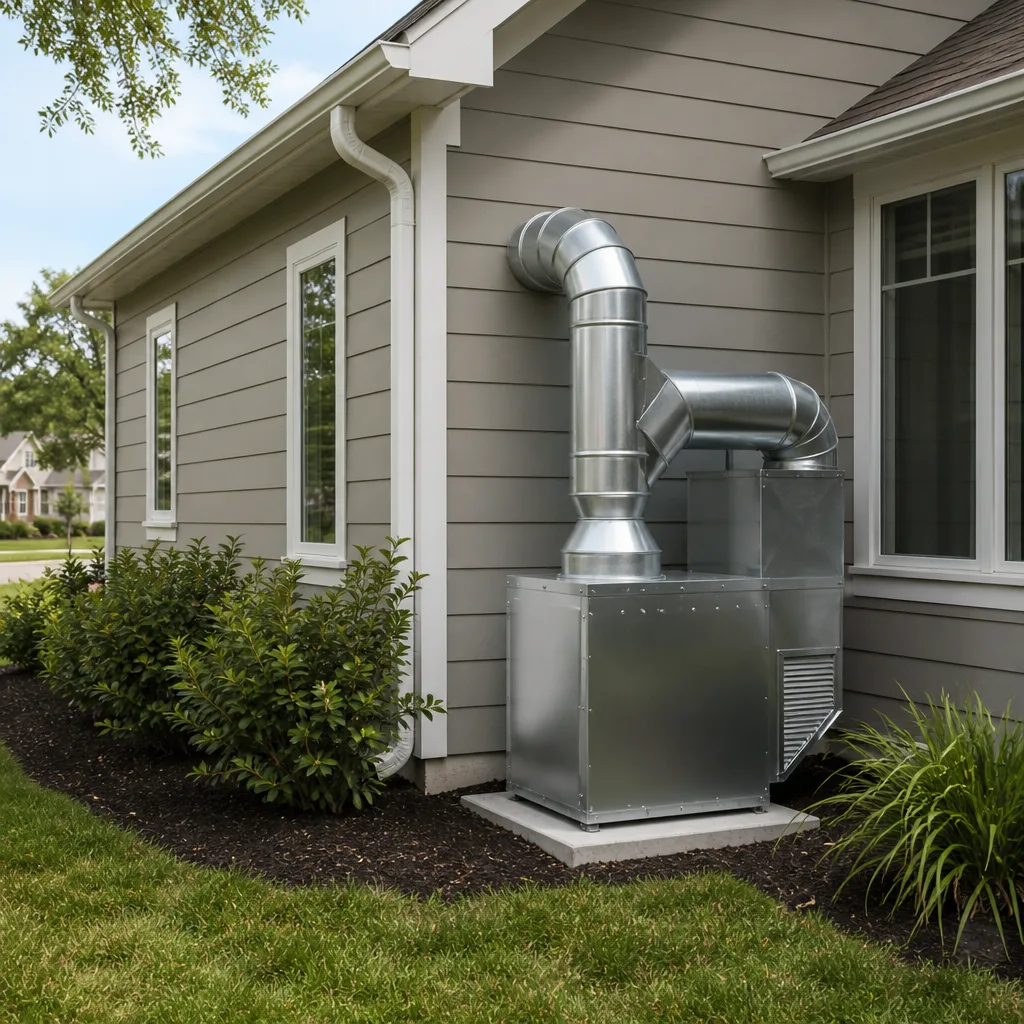
This is also where equipment quality separates a real cleaning from a surface pass. A shop vacuum and a hose can disturb material at the throat. It cannot pull a loaded trunk line clean or capture what it loosens. That takes rotary brush systems like Rotobrush and negative-air containment like Nikro or Abatement Technologies units, which is the equipment standard we work to. If you’re comparing quotes, this is the question to ask: what equipment is actually going into the duct, and is negative air being maintained while it works?
Debris at the throat is also where the case for a full-system scope begins. Cleaning one visible register does nothing for the trunk line that feeds it. See our Tacoma Air Duct Cleaning Co overview for how a whole-system visit is structured.
Air Handler Cabinet Contamination
The air handler cabinet is the box that holds the blower and the evaporator coil. It’s the one part of the system that touches every cubic foot of air the house moves, and contamination here is the most consequential warning sign in the whole hierarchy. It’s also the one most homeowners can’t see without opening a panel, so it often goes unnoticed for years.
What contamination in the cabinet looks like:
- Coil fouling. The A-shaped or slab coil behind the filter accumulates a mat of dust and lint. Once loaded, it can’t transfer heat properly and airflow drops.
- Blower wheel buildup. Dust collects on the blower blades, throwing the wheel out of balance and reducing the air it can move.
- Cabinet floor debris. Material that’s fallen past the filter and settled on the bottom of the cabinet.
- Biological staining. Dark or mottled patches on cabinet surfaces, especially near the coil where condensation keeps things damp.
Air handler contamination is a real cleaning task, not a wipe-down. It’s also the point where cleaning and repair meet. A cabinet that’s been pulling unfiltered air for years often has a bypass gap at the filter slot, a cracked drain pan, or a failing seal at the supply plenum. Those are all things that need fixing after cleaning or the contamination comes right back.
HVAC cleaning is its own discipline, separate from duct cleaning, and it’s why we keep it as a named service. If your filter is loading fast or your cabinet looks loaded, that’s a different job than a duct cleaning, and the two are usually done together. Our HVAC cleaning page goes deeper on what a cabinet and coil cleaning involves.
One safety point before you go looking. The air handler cabinet holds live electrical components and, in a heat pump or gas furnace, moving parts and combustion equipment. Don’t open panels beyond the filter door. Inspection of the coil and blower is a job for a trained technician with the power off.
Odor Diagnostics: Baking Dust, Musty Growth, and Chemical Smells
Smell is the most misinterpreted warning sign in ductwork, and the misreading costs homeowners either money or comfort. Three distinct odors point to three distinct causes, and they don’t get the same response. Getting this right is worth the effort.
First-Run Heating Season Smell
That smell when the furnace first kicks on in October is usually dust on the heat exchanger burning off. It’s a one-time, faint, slightly burnt smell that fades within a few hours of first operation and doesn’t come back until the system sits idle again. It’s normal and doesn’t call for a cleaning. If it happens every time the system starts, all season long, that’s different and worth looking at.
Persistent Musty Odor Under Load
A musty or damp-earth smell that appears whenever the system runs, not just at startup, is the signature of moisture and possible biological growth somewhere in the system. In Tacoma, where humidity sits high through the wet months and crawlspaces can run damp, this odor often traces to a wet coil, a clogged condensate drain, a damp return run through a crawlspace, or duct insulation that’s been wet. Persistent odor under load is a real cleaning-and-inspection indicator, not a “spray something in the vent” problem. Sanitizing a system that has an active moisture source is pointless until the source is found.
Chemical or Pungent Smell
A sharp, chemical, or acrid smell is a different category entirely. It can come from failing internal duct insulation off-gassing, a failing component in the air handler, or, in some homes, rodent activity. Do not treat a chemical smell as a cleaning issue. Shut the system down and get it diagnosed. If the smell resembles gas near a gas furnace, leave the home and call your gas utility. That’s not a duct problem and no amount of cleaning fixes it.
Reading odor correctly is half the diagnosis. The other half is when it appears. A smell only at startup is dust. A smell the entire time the system runs is moisture or source contamination. A smell that precedes the system running is coming from somewhere else in the house and the ductwork is just carrying it.
Rodent and Pest Indicators in Tacoma Ductwork
Tacoma’s mix of older homes, mature trees, and wet winters makes it friendly territory for mice and rats looking for warmth. Ductwork is an attractive route and sometimes a nesting site, especially where flex duct runs through a crawlspace, attic, or garage and a joint has pulled apart. When pests get into ducts, the debris left behind is a specific problem that needs professional extraction, not just a cleaning.
What rodent and pest activity looks like at a register:
- Nesting material. Shredded insulation, paper, fabric, or plant material pulled into the duct and piled at a register or in a branch run.
- Droppings. Small dark pellets, usually at the register collar, in the return, or on the cabinet floor.
- Gnaw marks. Chewed edges on flex duct, register collars, or duct insulation, often at transitions and joints.
- Staining and odor. Dark staining along a duct run combined with a sharp, musky, or ammonia-like smell near a register.
- Dead pest evidence. A dried carcass or skeletal material in a branch run, which is a specific removal job, not something to vacuum out by hand.
Here’s why this demands professional extraction rather than a standard cleaning pass. Rodent debris carries pathogens, and disturbing it with ordinary airflow or a shop vacuum spreads contamination into every room the system serves. A real response includes negative-air containment and HEPA filtration to keep the material from going airborne, then disinfection of the affected runs after extraction. Abatement Technologies air filtration equipment exists for exactly this reason: to hold contamination while it’s being removed.
Pest activity is also a repair cue. Rodents get in through gaps, so if you find evidence, the entry path needs to be found and sealed. Otherwise the cleaning is temporary. Duct Repair & Sealing is part of what we do for this reason, and it’s often the difference between a job that holds and one that gets undone by spring.
Filter Loading Speed as a Warning Sign
“My filter gets dirty faster than it used to” is one of the most useful things a homeowner can notice, and one of the least understood. A filter that’s loading faster isn’t a filter problem. It’s a system problem, and the speed of loading tells you how bad it is.
What filter loading speed actually indicates:
- Filter loading at normal intervals. A standard filter changed every 60 to 90 days is doing its job. No cleaning indicator here.
- Filter loading faster than it used to. Something upstream has changed. Either the filter is bypassing, the return duct has a leak pulling dirty air, or the duct system has become a source of material that’s getting picked up and pushed into the filter.
- Filter loading very fast, repeatedly. The system is circulating contamination, often from the return side or the cabinet, and the filter is catching what it can before it reaches the coil.
- Filter loading unevenly across the face. A filter that’s dirtiest in one corner is usually being bypassed at that corner, which means unfiltered air is going straight through the housing.
There’s a common misconception worth clearing up. People assume a dirty filter means the filter is doing a great job. That’s only true to a point. Once a filter is loaded, it stops filtering and starts starving the system for air, which is bad for the blower and bad for the coil. Loading speed is a diagnostic, not a trophy.
In Tacoma, homes near busy corridors or downwind of construction activity will load filters faster for reasons that have nothing to do with duct contamination. The variable to watch is a change in loading speed. If your filter used to last three months and now you’re changing it monthly, something in the system has shifted and it’s worth a look.
Cleaning Versus Repair: Reading Structural Problems
Some warning signs have nothing to do with dirt. They have to do with ductwork that’s come loose, torn, or disconnected. Cleaning a system with a disconnected branch run does nothing usable, because the air never reaches the room. These are structural problems, and they need sealing or repair, not a cleaning pass.
Three structural warning signs to distinguish from contamination:
- Visible daylight at a joint. If you can see light, or a gap, at a duct joint in an accessible space, that’s a leak. Air is escaping into a crawlspace or attic instead of your home.
- Disconnected flex duct. Flex duct that has pulled off its collar or torn at a clamp is not delivering conditioned air to that room. Cleaning can’t fix it. Sealing or reconnecting can.
- Uneven room temperatures. When one or two rooms never heat or cool properly while the rest of the house is fine, the likely cause is a leaking or disconnected branch run, not contamination. This is a repair-and-sealing job.
There’s also a fourth that straddles both categories: failing internal duct insulation. Liner that’s peeled away, saturated with moisture, or breaking down can’t be cleaned back to health. It has to be addressed structurally, and in some cases replaced. Cleaning a duct whose liner is shedding material means the material just keeps coming.
This is why we treat Duct Repair & Sealing as a named service rather than an add-on. Clean ducts are only as good as sealed ducts. Cleaning a system and leaving the leaks in place means the ductwork pulls crawlspace or attic air right back in and the problem starts over. A system that gets cleaned and sealed is the only version that holds. If you want a fuller picture of what proper sealing covers, our Tacoma Air Duct Cleaning Co overview lays it out.
One more structural sign to know: a return grille that’s visibly pulling air through a gap around its frame. That’s a leak at the room level and it pulls dusty air in from the wall cavity. It’s a sealing fix, not a cleaning job.
Common Mistakes to Avoid
- Assuming register face dust means the ducts are dirty. Nine times out of ten it’s a filter or bypass problem. Check the duct throat before you call, and you’ll know which problem you actually have.
- Using a shop vacuum on visible debris in a vent. A shop vacuum stirs up material without containing it, and any contamination goes airborne into the room. Contamination control means negative-air equipment and HEPA filtration, which a shop vacuum is not.
- Buying a cleaning without knowing what equipment will be used. Ask whether the technician is using rotary brush systems and a negative-air unit, or a hose and a shop vac. The answer tells you whether it’s a real job. air duct cleaning done right is a different process than the coupon version.
- Sanitizing a musty system without finding the moisture source. Spray-in sanitizer masks odor for a while. If there’s a wet coil or a damp crawlspace return, the smell returns within weeks. Fix the moisture first.
- Vacuuming rodent debris out of a duct by hand. Pest debris carries pathogens and spreading it through the house is much worse than leaving it alone. That’s a contained extraction job, not a DIY one.
- Cleaning a system with a disconnected branch run. Cleaning a duct that isn’t connected doesn’t do anything useful. Seal the leak or reconnect the run first, or the cleaning is wasted.
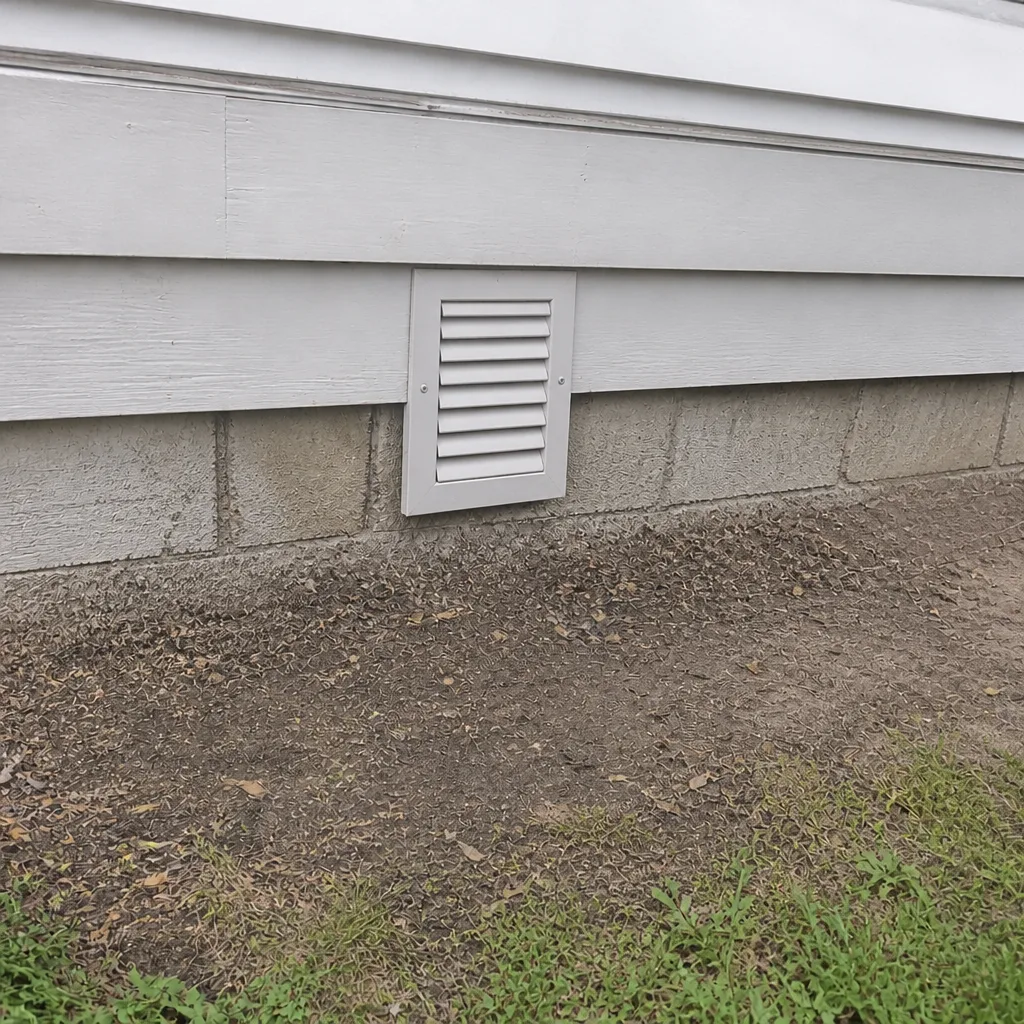
- Skipping the dryer vent. Dryer vents clog quietly. A clogged vent is a fire risk and a lint source that can feed back into the laundry area. It’s a separate job from air duct cleaning but the same visit, and it deserves attention every few years.
When to Call a Professional
Call a professional when warning signs point to the duct throat or deeper, not to the register face. That means: debris visible inside the duct after removing the grille, persistent musty odor whenever the system runs, a filter that’s loading noticeably faster than it used to, or any evidence of rodent or pest activity in the ductwork. Those are the signs that require proper equipment, containment, and often repair, not a surface pass.
Also call if you see structural problems. Daylight at a duct joint, disconnected flex duct, or one room that never heats or cools properly is a repair-and-sealing job, and cleaning alone won’t fix it. Failing internal liner is another case for a professional because the material needs to be removed, not cleaned.
Tacoma Air Duct Cleaning Co offers free estimates in Tacoma. Call (877) 792-6024. We answer 24/7. Fast dispatch from 7am to 7pm, Sunday through Friday. If a call comes in outside dispatch hours, it’s booked into the next opening. The local pro we connect you with is licensed and insured as their state requires, and before-and-after photos of your own ducts come with the job.
Frequently Asked Questions
Air duct cleaning in Tacoma is priced per system, based on the size of the home, the number of runs, and whether repair, sealing, or sanitizing is included. We don’t quote a price per vent or a teaser figure, because that’s exactly how the industry ends up with surprise invoices. Every job is set by a written estimate agreed before work starts, and the estimate is free. Call (877) 792-6024 for an exact quote, and we’ll also give you the option of a written breakdown of what each service covers.
Most homes don’t need a fixed schedule; they need cleaning when the system shows one of the warning signs in this guide. That’s typically every few years for a normal household, and more often if you have pets, recent remodeling, or pest activity. The signs that matter are duct throat debris, persistent musty odor under load, fast filter loading, and structural problems like a disconnected run. If none of those are present, your ducts likely don’t need cleaning yet. Call (877) 792-6024 if you want an honest read on your own system first – estimates are free.
Before-and-after photos of your own ductwork is the answer. Any reputable cleaning includes them. If a company can’t show you the ducts before and after on your own home, you don’t have a way to verify the work. Ask about the equipment being used on the job too: a rotary brush system with negative-air containment leaves visible evidence, and it’s a different job than a hose pass over a register. Call (877) 792-6024 if you’d like to talk through what verification looks like for your home.
Cheap quotes are usually cheap because the scope is narrower than the name suggests. Often it’s a surface vacuum at the registers, no work in the trunk or cabinet, and no containment, so dust gets disturbed and not removed. The equipment difference alone explains most of the gap: a shop vac and a hose costs far less to run than a rotary brush system and a negative-air machine. A proper quote tells you what’s included, what equipment is used, and what happens after cleaning reveals a problem. Call (877) 792-6024 for a written estimate you can compare line by line.
No, not in any way that helps. A shop vacuum has no way to contain what it loosens, so it tends to spread contamination rather than remove it, and it can’t reach the trunk line or clean a loaded coil. Some systems hold fine particulate and biological material that should not be disturbed without negative-air containment. That’s why professional cleaning uses equipment like rotary brushes and HEPA containment. If you’re not sure whether your system needs professional attention, call (877) 792-6024 – the estimate is free.
Tacoma’s wet winters do push harder on duct systems than a dry climate, mainly because moisture is the driver behind most biological growth and insulation breakdown. Damp crawlspaces and attic returns are common, and a wet coil or wet liner creates the conditions for persistent musty odor. That doesn’t mean every Tacoma home needs cleaning, but it does mean moisture-related warning signs deserve a faster response here. Call (877) 792-6024 if you’re seeing or smelling moisture in your system; estimates are free.
The Bottom Line
Warning signs are only useful if you read them at the source. Register face dust usually means check the filter. Duct throat debris means the system needs cleaning. Persistent musty odor under load means find the moisture before sanitizing. Rodent evidence means contained extraction and sealing. Daylight at a joint or a room that never heats means repair, not cleaning. Get the hierarchy right and the decision becomes obvious. Get it wrong and you either pay for a cleaning you didn’t need or skip one you did. Whatever your system is telling you, the free estimate is how you confirm it, and it’s the one call worth making before you spend anything.
Ready When You Are
If your ducts are showing any of the signs in this guide, call (877) 792-6024 for a free estimate. We answer 24/7. Fast dispatch from 7am to 7pm, Sunday through Friday. Our technicians have up to 9 years of experience, and the local pro we connect you with brings professional-grade equipment to the job, not a shop vac and a hose. We also handle dryer vent cleaning on the same visit, which is the fire-risk step most companies leave out.
Written by the team at Tacoma Air Duct Cleaning Co.
See the difference
 Before
 After
 Before
 After
 Before
 After